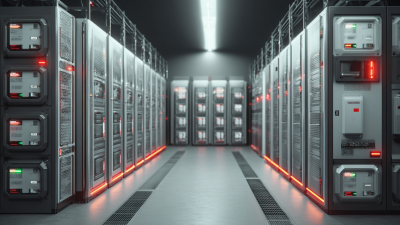
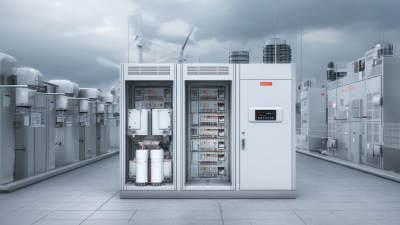
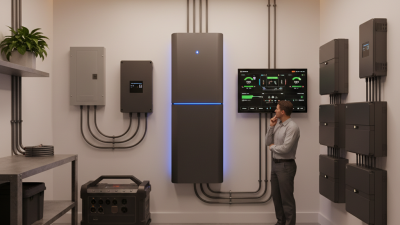
Lately, China has really stepped up as a major player in Grid Energy Storagesolutions. Their innovative ideas and tech breakthroughs are catching the eye of global buyers who want to beef up their energy systems. I remember Dr. Li Wei, a top expert in renewable energy, mentioning that “Grid Energy Storage is absolutely crucial for a sustainable future.” His words remind us just how vital efficient storage systems are when it comes to managing energy flow smoothly.
Big Chinese companies like BYD and CATL are leading the way, offering some seriously advanced batteries and storage tech that really make a difference in optimizing energy use. These solutions aren’t just about making renewables easier to integrate; they also make the whole grid more reliable. That said, there are still hurdles—things like different international standards and compatibility issues that can get tricky. So, buyers really need to pay attention not only to the technical specs but also to local regulations when they’re exploring these options.
At the end of the day, working together and sharing knowledge is super important. Experts agree that partnerships between suppliers and global buyers are key if we want to really push these storage solutions forward. Trust and transparency are going to be what makes or breaks their successful adoption. And honestly, the future of energy storage is all about staying flexible and adapting to this fast-changing market landscape.
Overview of Grid Energy Storage Solutions in China
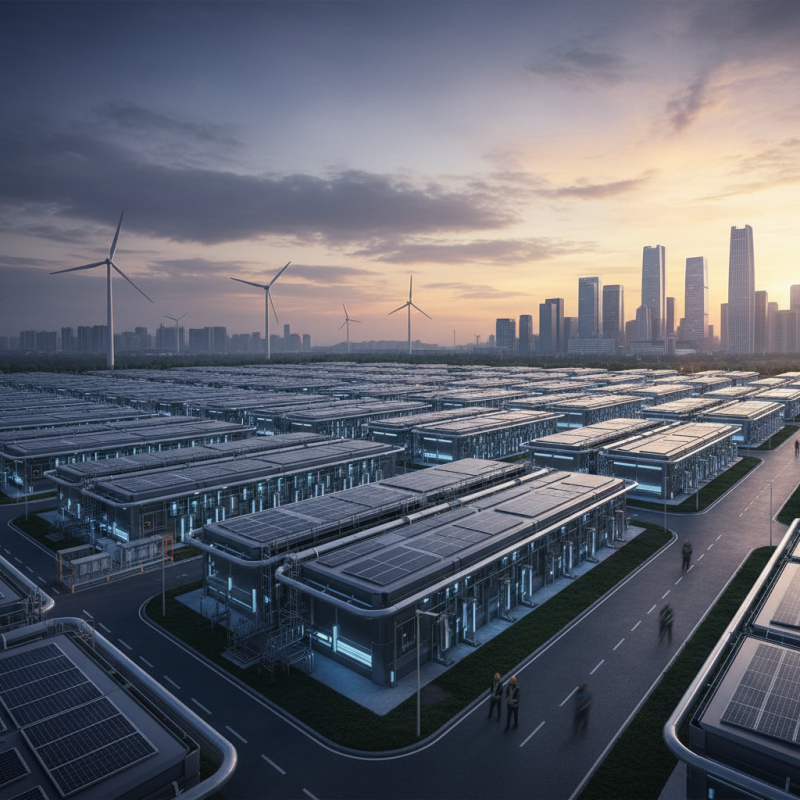
China has emerged as a leader in the grid energy storage market, driven by rapid advancements and increased investments. A report by the International Energy Agency (IEA) indicates that the energy storage capacity in China reached over 50 gigawatts (GW) by 2022, accounting for nearly 40% of global installations. This growth is largely fueled by the need for renewable energy integration and grid stability. Various technologies such as lithium-ion batteries, pumped hydro storage, and emerging solid-state batteries are gaining traction.
Grid energy storage solutions in China address significant challenges. The region faces a high demand for energy, especially during peak hours. Without effective storage solutions, excess energy generated from renewable sources is often wasted. As per the China Energy Storage Alliance, installed capacity is projected to reach 200 GW by 2025. This evolution represents a crucial step towards a sustainable energy landscape, but the scalability of technologies for long-term storage remains a concern.
Tips: When considering Off Grid Energy Storage options, look for efficiencies in energy conversion rates and lifecycle costs. Evaluate long-term sustainability to ensure your investments remain relevant. Pay attention to local regulations that may influence storage deployment and grid compatibility. One should also be mindful of balancing immediate benefits with long-term environmental impact.
Best Grid Energy Storage Solutions in China for Global Buyers
| Technology Type | Energy Capacity (MWh) | Deployment Scale (MW) | Round Trip Efficiency (%) | Typical Lifespan (Years) | Applications |
| Lithium-ion Batteries | 200 | 100 | 90 | 10 | Renewable Integration |
| Flow Batteries | 150 | 80 | 75 | 20 | Grid Support |
| Sodium-Sulfur Batteries | 100 | 60 | 85 | 15 | Peak Shaving |
| Compressed Air Energy Storage | 300 | 150 | 70 | 30 | Large-Scale Storage |
Key Players in China's Energy Storage Market
China's energy storage market has rapidly evolved, attracting attention from global buyers. Key players in this sector are continuously pushing boundaries. They emphasize innovating technologies to enhance efficiency and reduce costs. Companies focus on developing grid energy solutions that not only support energy needs but also contribute to sustainability.
Tips for buyers considering energy storage solutions include assessing the technical capabilities of the providers. Look for their track records in Grid Impact Reduction. It's essential to evaluate how solutions integrate with existing infrastructure. Prioritize vendors with proven experience in managing large-scale projects. Understanding the regulatory landscape is also crucial, as policies can vary significantly.
The market has its challenges. Some products may not meet every buyer's expectations. Quality assurance can sometimes lag behind advancements, causing potential complications. Therefore, doing thorough research is critical. Engage with industry experts who can provide insights and help navigate these complexities.
Types of Energy Storage Technologies Available
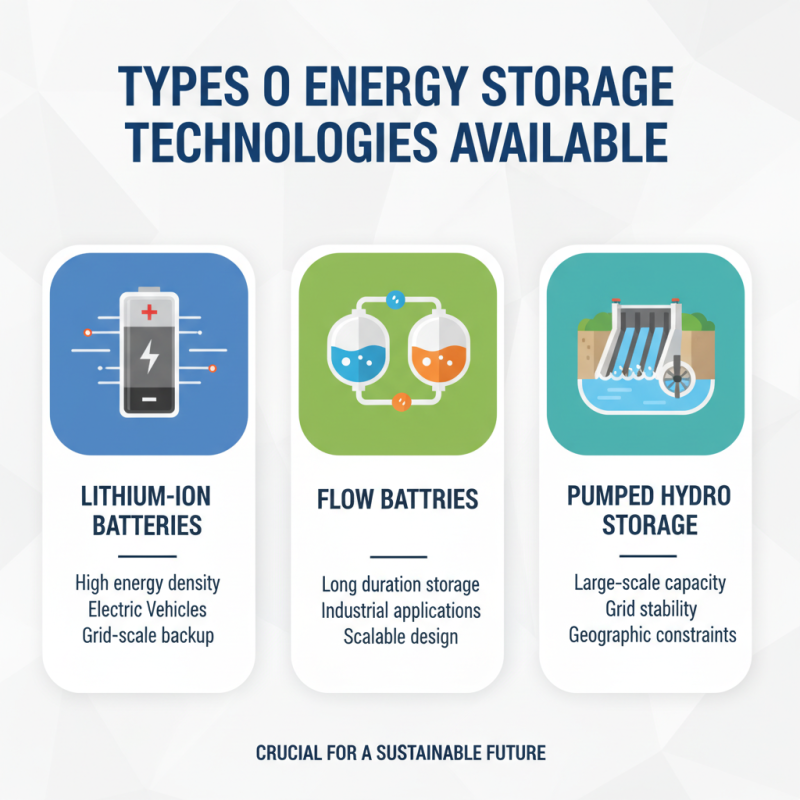
China is rapidly advancing in energy storage technologies, which are crucial for a sustainable future. Various types of energy storage solutions are being developed and deployed. The main technologies include lithium-ion batteries, flow batteries, and pumped hydro storage. Each has unique characteristics and applications, catering to different energy demands.
Lithium-ion batteries are the most popular due to their high efficiency and energy density. They are essential for grid stability and are commonly used in residential and commercial setups. Flow batteries, on the other hand, excel in long-duration storage, offering longer cycle lives. They are ideal for large-scale installations where energy management is crucial.
**Tips:** When selecting a storage solution, consider capacity, lifespan, and cost. Evaluate the total energy need and project scale. Keep in mind that not all technologies suit every situation. Sometimes, a mix of storage types can offer the best result.
Pumped hydro storage is another traditional method. It involves moving water between elevations to store energy. However, site requirements can limit its application. While this method is reliable, the initial infrastructure costs can be significant. It highlights the necessity for strategic planning in energy storage solutions. Choosing the right technology requires careful consideration.
Comparative Analysis of Energy Storage Systems
In China, energy storage solutions are rapidly evolving. Many buyers are exploring various Energy Storage Systems. These systems are critical for integrating renewable energy sources. They help manage electricity supply and demand effectively. Different technologies dominate the market, each with unique advantages.
For instance, lithium-ion batteries lead in efficiency and response time. However, they come with higher costs. Flow batteries, on the other hand, offer longer life cycles and are more scalable. Their capacity to store energy can be appealing for larger projects. While their initial setup may be daunting, they promise longevity and sustainability.
Tips:When evaluating Energy Storage Systems, consider the specific needs of your project. Assess your space and energy requirements carefully. Exploring various technologies can lead to better investment decisions. Prioritizereliability and performance over upfront costs to ensure long-term benefits.
Regulatory Framework and Government Support
China's grid energy storage market is booming, driven by robust government support. The National Development and Reform Commission has issued several policies promoting energy storage systems. These frameworks aim to bolster renewable integration. In 2022, China's total installed energy storage capacity reached 30 GW, with projections indicating a surge to 100 GW by 2025. This growth reflects the urgent need for stability in the face of variable renewable energy sources.
Regulatory incentives play a critical role in shaping investment. The government offers subsidies and preferential tariffs for energy storage projects. Furthermore, guidelines for grid operators are being refined to enhance participation. However, challenges remain. Uneven regulatory environments across provinces can create barriers. Some regions lag in implementing policies, which can hinder investment decisions.
Data from industry reports show that while the landscape is promising, buyers must navigate complexities. Understanding local regulations is vital for successful market entry. Ongoing developments in frameworks will require constant monitoring. Buyers should engage with local experts to decipher the evolving landscape. Adapting to these changes will be essential for leveraging China's energy storage potential.
Challenges in the Grid Energy Storage Sector
The grid energy storage sector in China faces several challenges that can hinder progress. One significant issue is the high initial investment required for advanced storage technologies. According to a report by the International Energy Agency, energy storage capacity has skyrocketed, yet many projects stumble at the financing stage.
Another challenge is the integration with existing grid infrastructures. An inefficient connection can delay project completion and reduce overall effectiveness. Research from the China National Energy Administration indicates that outdated grids often lead to underutilization of renewable energy sources. This inconsistency creates hurdles in achieving reliable energy flows.
Tips: Focus on collaborating with local partners to navigate regulatory landscapes. Keeping an eye on advancements in technology can also mitigate potential issues. Transparency in data sharing could help streamline processes and enhance project outcomes.
Moreover, public awareness of Renewable Energy Storage is still limited. Educating stakeholders about the benefits can improve acceptance and investment. Policymakers need to address these gaps to foster a thriving energy landscape. While there are solid opportunities ahead, recognizing and tackling these challenges is essential for sustainable progress in the sector.
Future Trends and Innovations in Energy Storage Solutions
The energy storage landscape in China is rapidly evolving. Recent reports indicate that the country has seen a significant increase in energy storage capacity, surpassing 45 gigawatts (GW) in 2023. This shift is largely driven by the growing demand for renewable energy integration. With a greater emphasis on sustainability, innovations in battery technology are emerging more frequently. Lithium-ion batteries continue to dominate, yet advancements in solid-state and flow batteries are gaining traction.
In the next few years, China's energy storage solutions are projected to become more sophisticated. According to a recent market analysis, global energy storage investments are expected to reach $200 billion by 2030. The report highlights that cost reduction and improved efficiency are key drivers. However, it also notes the challenges related to recycling and raw material supply, calling for a more circular economy model.
This dynamic sector is seeing countless startups enter the market, striving for innovation. Yet, many strive to balance performance and sustainability. Trial and error will be a part of this journey. As innovation continues, the expectation for improved energy densities and extended lifespan will rise. The industry must adapt and evolve to meet these demands.
FAQS
: They emphasize innovating technologies to enhance efficiency and reduce costs.
Policies vary significantly, impacting project feasibility and compliance requirements.
The main types include lithium-ion batteries, flow batteries, and pumped hydro storage.
They have high efficiency and energy density, crucial for grid stability.
Consider capacity, lifespan, and cost while evaluating specific energy needs.
High initial investments and integration issues with existing grid infrastructures are major challenges.
Collaborate with local partners to navigate regulatory landscapes effectively.
Site requirements can limit application and initial infrastructure costs can be high.
Educated stakeholders can improve acceptance and investment in energy storage technologies.
It can help streamline processes and enhance overall effectiveness of energy storage initiatives.
Conclusion
China has emerged as a leader in Grid Energy Storage solutions, addressing the rising demand for efficient energy management. The country's energy storage market features a diverse array of technologies, including lithium-ion batteries, flow batteries, and pumped hydro storage, each offering unique advantages. A comparative analysis reveals that while lithium-ion systems dominate in terms of cost and performance, other technologies provide alternatives suited for specific applications.
The regulatory framework and government support have fostered a conducive environment for innovation, driving advancements in energy storage solutions. However, challenges such as high initial costs, technological integration, and environmental concerns persist within the sector. Looking ahead, trends point towards the optimization of existing systems and the exploration of novel materials and methods that promise to further enhance the efficiency and capacity of Grid Energy Storage systems in China and beyond.