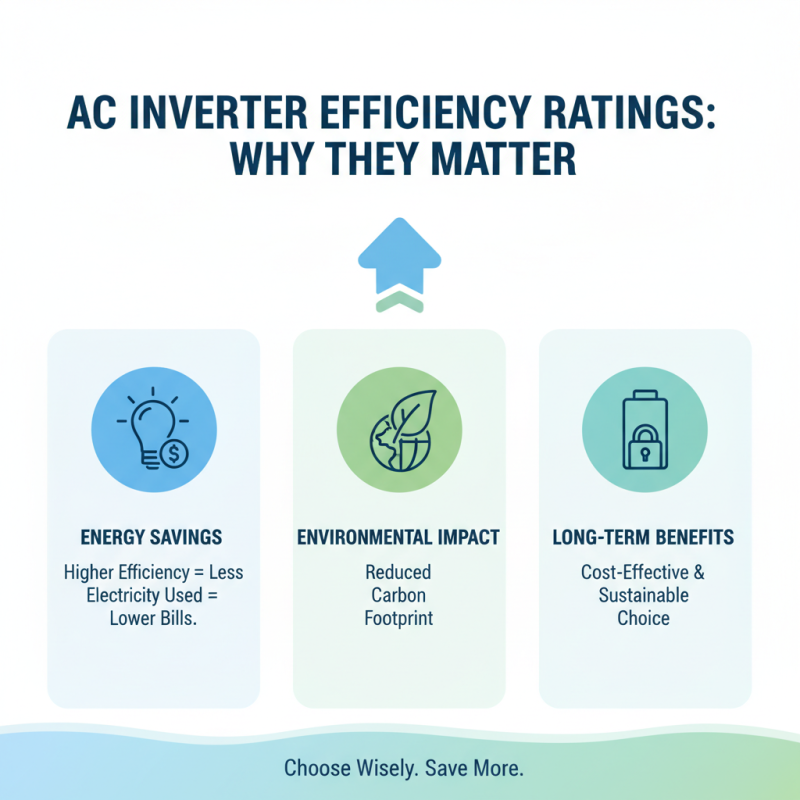
Picking out the right AC Inverter can really make a difference when it comes to saving energy and cutting down costs. I mean, did you know that, according to the International Energy Agency, HVAC systems use up about 40% of a building’s energy? That’s pretty huge. So, going for a more efficient inverter isn’t just about comfort — it’s about saving serious money in the long run.
The market for Ac Inverters is changing so fast right now. I recently came across a study by Research and Markets, and it said the global market is expected to grow at around 10% a year from 2023 to 2030. That kind of growth just shows how much people are looking for energy-efficient solutions nowadays. But here’s the thing: with so many options out there, figuring out which inverter is right for you can feel a bit overwhelming.
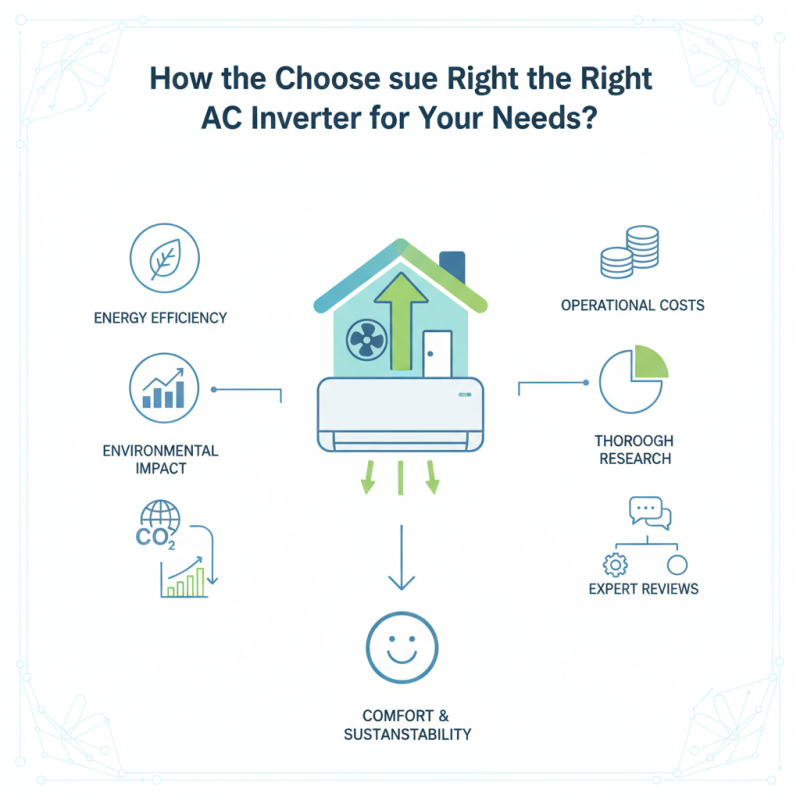
When shopping around, it’s smart to pay attention to things like Energy Efficiency ratings, how eco-friendly they are, and what it’s going to cost to run them day-to-day. Honestly, a lot of folks tend to overlook these details — and then they end up regretting their choice later. Doing a little homework — reading reviews, checking out technical specs — can really help point you in the right direction. In the end, the right AC Inverter not only makes your space more comfortable but also plays a part in being kinder to the environment.
Understanding What an AC Inverter Is and Its Functionality
An AC inverter is a device that converts direct current (DC) into alternating current (AC). This functionality is essential for various applications, especially in renewable energy systems like solar power. Understanding its role helps in selecting the right inverter for your needs.
When choosing an inverter, consider your power requirements. Think about how much energy your household or business consumes. A Pwm Inverter is often more efficient for lower power needs. These inverters modulate the pulse width of the output current, enhancing energy use without wasting resources. This can reduce operational costs.
Tip: Before making a decision, assess your energy needs thoroughly. Do some calculations to estimate your daily usage.
Another factor is the inverter's compatibility with your existing electrical setup. A high-quality inverter enhances system reliability. It also ensures safety and performance. Not all inverters fit every application. Simple mistakes in selection can lead to inefficiencies.
Tip: Consult an expert if you're unsure about your choices. Their insight will guide you to a suitable inverter option.
Ultimately, understanding how an AC inverter works will help you make informed decisions that suit your specific requirements.
Evaluating Your Energy Needs: Sizing Your AC Inverter Properly
When selecting the right AC inverter, it’s crucial to evaluate your energy needs. Calculating the required load is a vital first step. Consider the appliances you intend to run. List their power consumption in watts. This will give you a clearer understanding of the total energy demand. For instance, a fridge may need around 200 watts, while a TV could require another 150.
Next, think about how many devices you’ll operate simultaneously. This can significantly impact the required inverter size. If you plan to run multiple devices at the same time, you might need an inverter with a higher capacity. A common mistake is underestimating peak wattage, which is the momentary surge of energy that many devices need when they start. Ignoring this can lead to operational failures or damage.
Lastly, be mindful of your specific energy requirements. Assess how often you will use the appliances and for how long. Seasonal variations can affect energy usage as well. These factors contribute to establishing whether a smaller inverter might suffice or if a larger one is necessary for your comfort. Consider all these elements to make an informed decision. It’s better to invest time here than regret the choice later.
How to Choose the Right AC Inverter for Your Needs?
| Energy Needs (kWh/day) | Recommended Inverter Size (kVA) | Cooling Capacity (BTU/h) | Typical Usage (Hours/Day) |
| 5 | 2 | 6000 | 8 |
| 10 | 3 | 12000 | 10 |
| 15 | 4 | 18000 | 12 |
| 20 | 5 | 24000 | 15 |
| 25 | 6 | 30000 | 18 |
Different Types of AC Inverters and Their Applications
Choosing the right AC inverter depends on understanding the various types available. Each type serves different applications, impacting efficiency and performance. Inverters can be categorized into three main types: pure sine wave, modified sine wave, and square wave.
Pure sine wave inverters are ideal for sensitive electronics. They provide a stable and clean power output. This ensures that devices function optimally without risk of damage. Modified sine wave inverters are less expensive but may not be suitable for all devices. They can cause noise or inefficiency in some applications. Square wave inverters are often used in basic applications, but are not recommended for complex electronic equipment.
The selection process can be tricky. Factors like power needs, efficiency, and cost play a significant role. It’s essential to consider the load type of your appliances. Many users overlook this. A mismatch can lead to performance issues. Consulting with a qualified professional can help ensure you make an informed choice. Assessing your needs and understanding these inverter types is crucial for effective operation.
Key Features to Look for in an AC Inverter
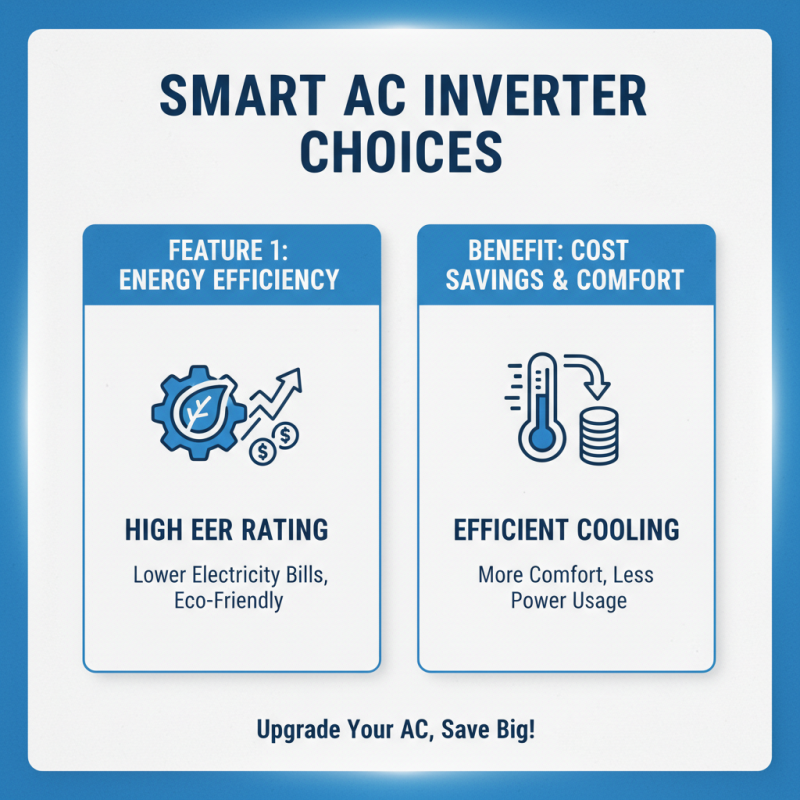
Choosing the right AC inverter involves understanding key features that can affect performance. One crucial aspect is energy efficiency. Look for options with high Energy Efficiency Ratios (EER). These inverters can significantly reduce electricity bills. A well-rated inverter uses less power while cooling your space effectively.
Another essential feature is compatibility with your existing HVAC systems. Inverters should integrate smoothly with your current setup. Consider capacity as well; the unit must match your room size. An oversized unit may cool too quickly, leading to uneven temperatures. Meanwhile, an undersized inverter struggles to maintain comfort.
Additionally, noise levels are worth noting. Some inverters operate quietly, while others can be bothersome. A quieter option adds to indoor peace. Pay attention to warranty and after-sales support, as reliable service matters. Always read user reviews to gauge real-world performance.
Considering Noise Levels and Operational Comfort
When selecting an AC inverter, noise levels can significantly impact your comfort. A quieter unit contributes to a peaceful home environment. Consider inverters with noise ratings below 50 dB for optimal comfort. Inverter types often range in sound output, affecting sleep and relaxation time. Assess your usage patterns to find an inverter that suits your lifestyle.
Tips: Look for features like a quiet mode or variable speed compressor. These can reduce noise during operation. Compare decibel levels between models to ensure you make the best choice.
Operational comfort is equally important. Ensure your chosen inverter operates efficiently in your region’s climate. Different models perform better under specific temperature ranges. If you're in a hotter area, look for inverters designed with higher efficiency ratings.
Tips: Evaluate user reviews to understand real-life experiences with noise and performance. Real-world feedback can reveal insights often overlooked in product specifications. Balancing efficiency, noise level, and personal comfort will lead you to the ideal Solar Inverter.
Budgeting for Your AC Inverter: Costs and Long-term Savings
When considering an AC inverter, budgeting is crucial. The upfront cost can vary greatly. A high-quality inverter may seem expensive initially. However, think about the long-term savings it can provide. Energy-efficient models help reduce your electricity bills. A good Motor Inverter can lead to savings over time. This is an investment in comfort and efficiency.
Don't overlook maintenance costs. Regular upkeep is essential to ensure longevity. Sometimes, cheaper models require more frequent repairs. This can add up quickly. It’s wise to consider warranties and support services. They reflect the manufacturer’s confidence in the product.
Research shows that well-maintained inverters last longer and perform better.
Think about your usage patterns.Will you use the inverter frequently? Understanding your needs helps in selecting the right model. While you may want to save money, investing in a reliable Motor Inverter pays off. Look beyond the sticker price. A small initial investment can lead to significant savings in energy over the years. Be thoughtful in your decision-making process.
Conclusion
Choosing the right AC inverter is crucial for optimizing energy efficiency and ensuring comfort in your living space. An AC inverter regulates the speed of the compressor, which helps maintain a consistent temperature while consuming less energy. When selecting an inverter, it is essential to evaluate your energy needs to determine the appropriate size. Different types of AC inverters are available, each suitable for various applications, making it important to know your specific requirements.
Key features such as efficiency ratings and noise levels should also be assessed to ensure operational comfort. Additionally, understanding the cost implications, including initial investment and potential long-term savings, will help you make an informed decision. By considering these factors, you can select the ideal AC inverter that meets your needs while providing optimal performance.