The world of electrical devices is pretty huge and keeps changing all the time. Did you know that, according to the IEC, the global market for these gadgets is expected to hit around $4.5 trillion by 2025? Crazy, right? And honestly, these devices are a huge part of our daily lives—think about your home electronics or even heavy-duty industrial machinery. But here's the thing: even though we depend on them so much, most of us honestly don’t really know how they actually work behind the scenes.
Basically, Electrical Devices take energy and turn it into useful stuff. Take motors, for example—they convert electrical energy into mechanical motion, powering everything from your ceiling fans to conveyor belts in factories. Still, it's pretty common for people to not fully understand what’s going on inside these gadgets. Reports from the IEEE even point out that this knowledge gap could cause problems down the line.
As technology keeps advancing, though, the real challenge is making sure these devices are safe and work well. Sometimes, they fail or don’t perform at their best, often because of poor design or manufacturing issues. I honestly think if more people understood how these things work, we could all make smarter choices and be more aware of what we’re using. Getting a grip on this knowledge is pretty crucial, especially in a world that’s becoming more tech-dependent every day.
Definition of Electrical Device: An Overview
An electrical device is any apparatus that uses electricity to perform a specific function. It transforms electrical energy into other forms of energy like light, heat, or mechanical motion. Common examples include light bulbs, motors, and computers. Each device relies on the flow of electrical current to operate, often utilizing a circuit to control this flow.
Understanding how an electrical device works begins with its components. Power sources provide energy, while conductors enable current flow. Resistors and capacitors help manage the electricity, adjusting how much energy is used. Each Electrical System varies in design and complexity. Some systems are straightforward, while others are intricate and require careful planning.
Mistakes can occur in any Electrical System design. Pathways may be too overloaded, leading to outages. Devices might not operate as intended, causing frustration. Recognizing these potential pitfalls is crucial. A deep understanding of the underlying principles can aid in avoiding common errors. Each electrical device plays a role in our daily lives, connecting us to the vast world of technology.
Types of Electrical Devices and Their Applications
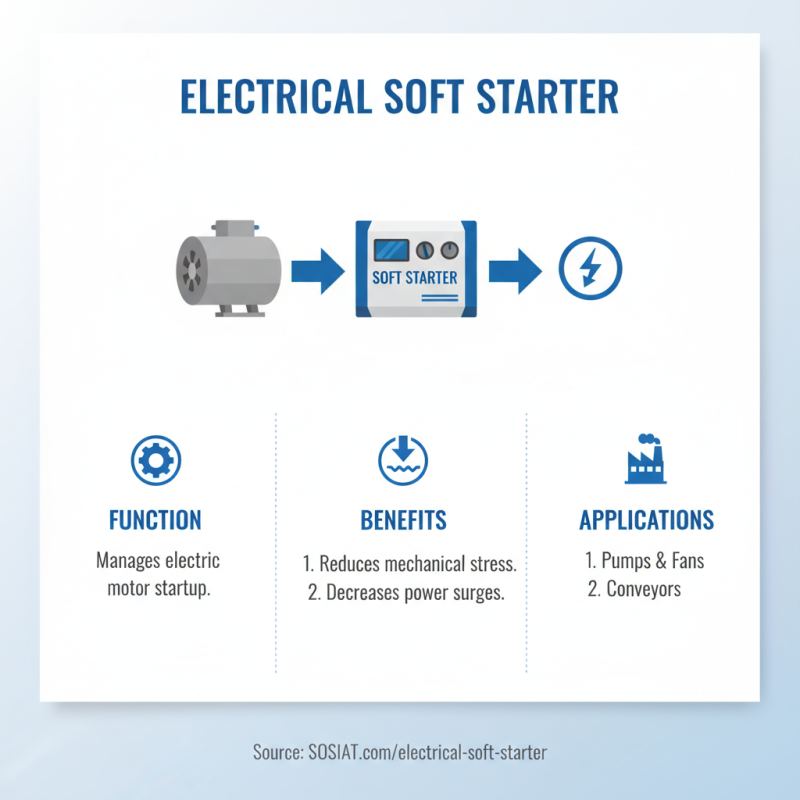
Electrical devices play a crucial role in our daily lives. They convert electrical energy into useful work. Various types of devices serve different purposes, each with unique applications. One such device is the Electrical Soft Starter. This tool helps manage the starting of electric motors, reducing stress on the system.
When it comes to types of electrical devices, we often see motors, sensors, and controllers. Motors drive heavy machinery in factories. Sensors detect environmental changes, allowing for automation. Controllers regulate power distribution and maintain efficiency. In contrast, an Electrical Soft Starter offers a smoother startup. This prevents sudden jolts and potential damage. However, relying solely on soft starters may not be ideal. They can complicate troubleshooting when issues arise.
In households, you might encounter devices like light switches and outlets. These devices provide convenience but can pose risks if not used properly. Short circuits and overloading are common hazards. Understanding how each device works is essential. It fosters safer use and maintenance. Despite our advancements, some devices still require basic human oversight. Balancing technology and awareness remains a challenge in electrical device usage.
Basic Components of Electrical Devices Explained
Electrical devices are composed of several basic components that work together to convert energy. These components include resistors, capacitors, inductors, and transistors. Each part plays a role in controlling electrical currents. Resistors limit the flow of electricity, while capacitors store and release energy. Inductors, on the other hand, create magnetic fields when current passes through them. Together, they form the backbone of most devices.
Understanding these components can be complex. Not everyone grasps how they interact. Transistors are often seen as the heart of electrical devices. They switch and amplify signals. However, they can fail if not properly connected.
Connections matter. A loose wire can disrupt the entire operation. Such imperfections remind us to review our designs and practices. Electrical devices are intricate systems where every part counts. Neglecting even a small detail can lead to failures.
How Electrical Devices Generate and Use Energy
Electrical devices are essential in our daily lives. They generate and use energy in various ways. For instance, an Inverter Device converts direct current (DC) into alternating current (AC). This type of device plays a crucial role in renewable energy systems. Reports indicate that over 30% of global electricity demand could come from solar and wind energy by 2030. Inverters help harness this potential.
Energy generation through electrical devices often involves transformation. Many devices rely on electromagnetic principles for operation. Take, for example, transformers. They adjust voltage levels for efficient electricity distribution. However, they also introduce losses during energy conversion. A study by the International Energy Agency shows that nearly 8% of total energy is lost in transmission. This highlights the need for more efficient devices.
Moreover, user awareness is critical. Many electrical devices may not operate optimally without proper maintenance. For example, dirt accumulation can lead to overheating in motors and reduce efficiency. Regular inspections can mitigate these risks. It's vital to understand the functionality and energy dynamics of electrical devices. Towards a more sustainable future, innovation is key.
The Role of Conductors and Insulators in Electrical Devices
Conductors and insulators play crucial roles in electrical devices. Conductors are materials that allow electric current to flow freely. Common conductors include copper and aluminum. These materials have free electrons that move easily. This property makes them ideal for wiring in homes and electronic devices. Without conductors, we would struggle to create a functioning electrical circuit.
On the other hand, insulators prevent the flow of electricity. They are vital for safety. Materials like rubber, glass, and plastic act as barriers. They protect us from accidental shocks. Imagine touching a bare wire; without insulation, it could end in disaster. However, insulators can sometimes fail. Over time, they may crack or degrade. This creates risks that should not be overlooked. Regular checks on electrical devices are essential to ensure safety.
The balance between conductors and insulators is delicate. An imbalance can cause inefficiency and danger. For instance, a conductor acting as an insulator can lead to device malfunction. Conversely, an insulator behaving like a conductor can result in short circuits. Understanding these roles helps us appreciate the design of electrical devices better. Each element has its importance in the overall functioning.
Common Technologies in Electrical Device Design
Electrical devices are essential in our daily lives. Various technologies drive their design. Common technologies focus on efficiency, safety, and functionality. Microcontrollers are a significant part of modern devices. They allow precise control over functions, improving performance. According to industry reports, the global microcontroller market is expected to reach $35.5 billion by 2027.
Power management ICs are another crucial technology. They optimize energy usage, prolong device life, and enhance safety. Reports show that effective power management can reduce energy consumption by up to 30%. However, integrating these technologies requires careful design choices. The balance between cost and functionality can be challenging.
Tip: When designing an electrical device, always consider energy efficiency. It improves user experience and reduces costs.
Tip: Stay updated on emerging technologies. They can provide better solutions and competitive advantages.
Incorporating sensors is worthwhile. They enhance user interaction but increase complexity. Carefully evaluate the need for each feature. Sometimes, simpler designs work better.
Safety Considerations When Using Electrical Devices
When using electrical devices, safety should be a priority. Many people overlook basic precautions, leading to accidents. Always inspect cords for damage. Frayed wires can cause shocks or fires. Use devices within their recommended limits. Overloading can result in overheating.
Consider investing in a Soft Start Device. This technology helps manage the power surge when turning on heavy appliances. It reduces the risk of circuit damage. Remember to keep devices away from water. Moisture can create dangerous situations.
Additionally, maintain proper ventilation when using electrical devices. They generate heat, and trapped air can lead to malfunctions. Regularly clean your devices to prevent dust buildup. It's easy to forget these steps, but they are vital for safe operation. Stay mindful, and always prioritize your safety when using electrical equipment.
FAQS
: The product aims to provide users with convenience and ease in daily activities.
Individuals with busy lifestyles may find this product particularly helpful.
Yes, it’s essential to follow the provided guidelines for the best experience.
The product’s lifespan can vary, but regular use generally improves durability.
Yes, some users may experience minor challenges and should reflect on their usage.
The product is versatile but may not perform well in extreme conditions.
Regular cleaning is necessary to ensure optimal performance and longevity.
Some users praise its efficiency, while others suggest improvements in design.
Yes, it can help streamline tasks, but results depend on individual habits.
Conclusion
An electrical device is any device that operates using electrical energy, enabling a wide range of functions in our daily lives. These devices can be classified into various types, including household appliances, industrial machinery, and communication tools, each serving specific applications. The essential components of electrical devices include conductors, which facilitate the flow of electricity, and insulators, which prevent unintended current flow, ensuring safe operation. Understanding how these devices generate and utilize energy is crucial for both efficiency and safety.
In addition to the basic functioning of electrical devices, modern design incorporates advanced technologies that enhance performance and user experience. Safety considerations are paramount when using these devices, as improper handling can lead to hazards. Overall, electrical devices play a vital role in technology and everyday tasks, making it important to comprehend their design, operation, and safety measures.