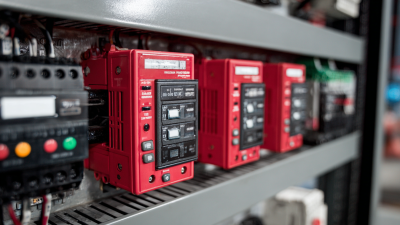
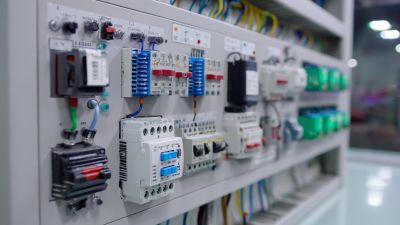
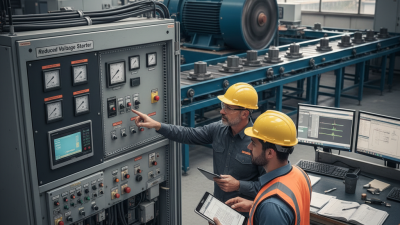
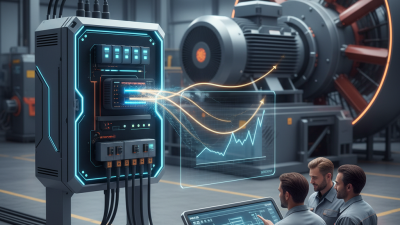
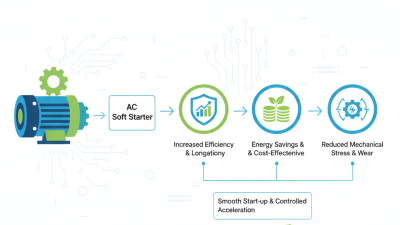
In today’s fast-moving industrial world, using technologies like the Soft Start Devicecan really make a difference. A lot of reports suggest that adding Soft Starters can cut energy usage by as much as 30%. That’s pretty impressive, especially for companies aiming to boost efficiency while keeping costs down.
Plus, Soft Start Devices are great because they reduce the mechanical stress on machinery, which means equipment lasts longer and maintenance expenses go down. Big names like Siemens and Schneider Electric actually point out that installing soft starters properly can help reduce downtime, so productivity gets a nice boost. That said, I get it—some businesses hesitate to make the initial investment. They often focus more on the short-term budget rather than thinking long-term about the benefits.
Honestly, while these devices can really improve performance, there’s usually a bit of a learning curve when it comes to getting everything set up and monitored right. But once you get past that, the operational gains can be pretty significant. Jumping on board with innovations like soft starters isn’t just about saving money—it’s also a smarter, more sustainable way to manage energy use in industry. It’s definitely worth considering, even if it takes a bit of effort at first.
Understanding Soft Start Devices and Their Functionality
Soft start devicesare essential tools for managing electrical equipment in businesses. These devices gradually increase voltage and current to machinery, providing a Smooth Start instead of abrupt jolts. This functionality reduces the mechanical stress on components and significantly prolongs their lifespan.When electrical motors start, they often draw excessive current, leading to potential damage and increased energy costs. By using a soft start device, businesses can mitigate these risks effectively.
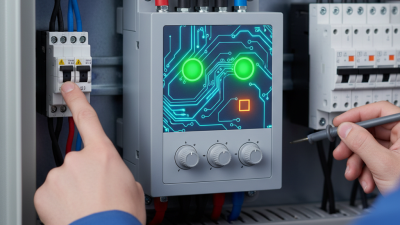
Understanding how these devices operate reveals their importance. They utilize technology that controls the Power Supply, implementing a gradual ramp-up of energy. This controlled approach minimizes the wear and tear on machinery. Many industrial setups utilizeInverter Devices in conjunction with soft start solutions for enhanced power management. However, some businesses do not fully recognize their potential benefits, sometimes overlooking the importance of proper installation and settings. A poorly configured soft start device might not yield the expected performance improvements. This highlights the need for thorough training and expertise in deploying these systems effectively.
Key Advantages of Utilizing Soft Start Devices in Business Operations
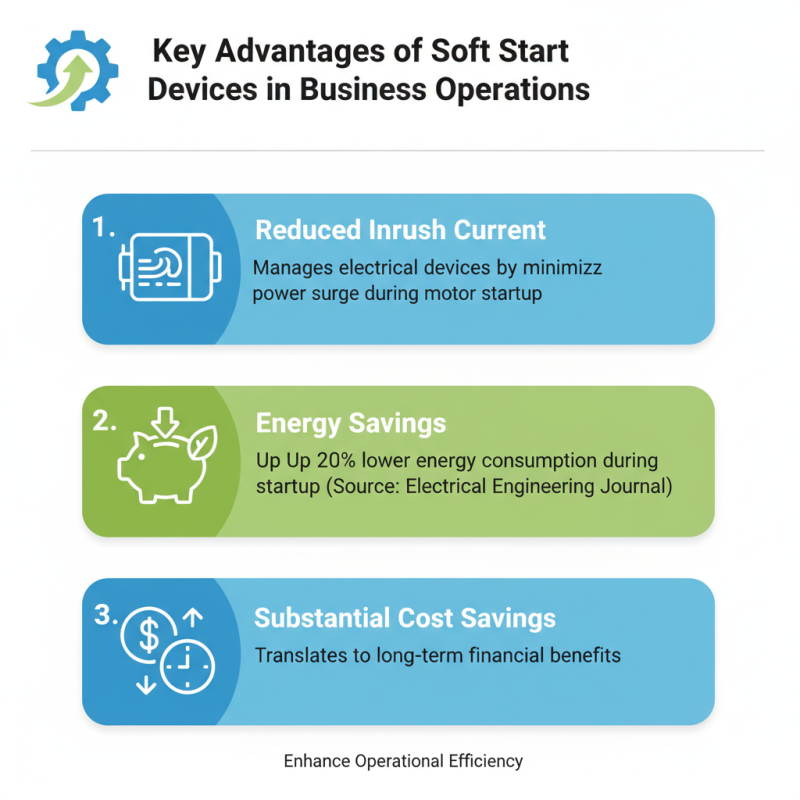
Soft start devices offer real advantages for businesses aiming to enhance operational efficiency. These devices help manage Electrical Devices by significantly reducing the inrush current during motor startup. According to a report from the Electrical Engineering Journal, using soft starters can lower energy consumption during startup by as much as 20%. This reduction translates to substantial cost savings over time.
Additionally, soft start devices extend the lifespan of electrical equipment. Abrupt changes in electrical flow can lead to wear and tear on motors. A study by the International Energy Agency found that implementing soft start technologies can reduce maintenance costs by up to 30%. This not only leads to fewer breakdowns but also promotes sustainability through increased equipment reliability.
However, businesses must consider the upfront costs of integrating soft start devices. The initial investment may deter some companies, despite the long-term savings. Understanding the balance between upfront costs and operational efficiency is essential. With a thorough cost-benefit analysis, businesses can make informed decisions regarding the adoption of soft starters in their operations.
Enhanced Equipment Longevity Through Soft Start Technology
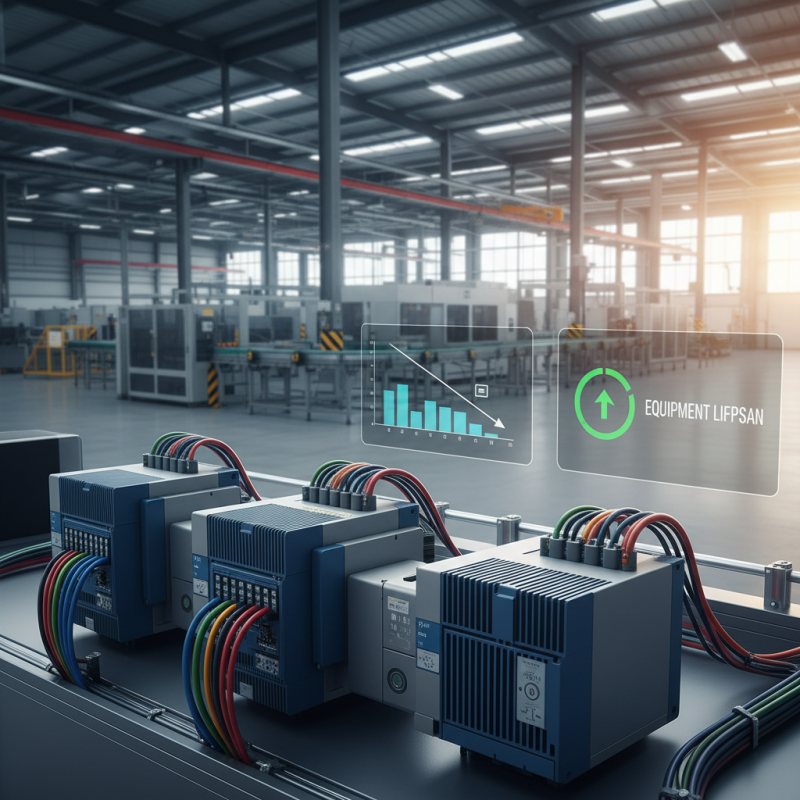
Soft start devices offer significant advantages for businesses, particularly in enhancing equipment longevity. Traditional methods of starting machines can impose stress on components, leading to premature wear and tear. By gradually ramping up power, soft start devices reduce these initial shocks. This gentle approach minimizes mechanical strain, allowing motors and other equipment to function more effectively over time.
Implementing soft start technology requires an understanding of Power Electronics Devices. These devices play a crucial role in controlling the voltage and current during startup. Businesses often experience fewer breakdowns with this technology in place. The overall maintenance costs decrease, as equipment operates within optimal parameters. This results in better performance and notably extended lifespans for critical machinery.
However, integrating soft start systems isn’t always a smooth process. Some businesses may face challenges in aligning these devices with existing setups. It's vital to regularly monitor the performance and compatibility of power electronics devices to avoid inefficiencies. Striking the right balance can yield marked improvements in performance, yet may involve trial and error. Ensuring that the transition to soft starters is both seamless and effective requires a thoughtful approach to equipment management.
Improved Energy Efficiency and Cost Savings with Soft Starters
Soft start devices offer significant advantages for businesses, particularly in energy efficiency and cost savings. By providing a gradual ramp-up of electrical current, these devices minimize starting currents. This reduction lowers energy consumption during startup, leading to decreased utility bills. Traditional motor starts can draw five to seven times their full-load current. Soft starters mitigate this, enhancing the overall efficiency of your machinery.
Implementing soft starters not only cuts energy costs but also prolongs equipment lifespan. When motors start abruptly, mechanical stress can shorten their service life. A soft starter minimizes this stress, maintaining your equipment in optimal condition for longer. The result? Fewer maintenance issues and replacements.
Tips: Regularly monitor energy usage to see the difference. Assess your current equipment for compatibility with soft starters. Educate your staff on their benefits to maximize efficiency. Soft starters may seem like a luxury, but they offer critical savings in long-term operational expenses. Embracing this technology is a strategic move for any forward-thinking business.
Top 10 Benefits of Using Soft Start Devices for Your Business
Impact on Productivity and Reduced Downtime in Operations
Soft start devices are essential for modern businesses. They control motor startups. This reduces mechanical stress on machinery. The slow ramp-up in speed prevents sudden voltage drops. Consequently, this fosters a smoother operation. Businesses can expect fewer equipment failures.
Reduced downtime is a key advantage. When equipment operates efficiently, productivity spikes. Workers can maintain output without unexpected interruptions. A gradual increase in power also helps in maintaining system stability. This can lead to a more consistent performance across the board.
However, implementing soft start devices is not without challenges. Businesses need to ensure proper installation and calibration. If not, they may not achieve desired results. Moreover, ignorance of the device's features can lead to underutilization. Understanding your machinery and its needs remains crucial for maximizing benefits.
Safety Benefits and Reduced Risk of Mechanical Failures
Soft start devices offer significant advantages for enhancing safety and minimizing mechanical failures in industrial systems. These devices control the inrush current during motor startup. According to a study by the IEEE, nearly 30% of motor failures can be attributed to the mechanical stress caused by traditional start methods. By gradually ramping up the power supply, soft starters decrease the initial torque and reduce wear on components. This helps extend the lifespan of your machinery and leads to fewer costly repairs.
To ensure you're optimizing the use of soft start devices, consider conducting regular maintenance checks. Inspect the devices for any signs of wear or faults. This proactive approach can help prevent unexpected downtime. Moreover, training employees on the benefits of soft starts can lead to safer operating practices. Many organizations report a 20% reduction in workplace accidents after implementing these devices.
It’s also critical to evaluate your operational needs continually. Not all systems may require the same level of soft starting. Observe how your motors respond under different conditions, and adjust parameters accordingly. This thoughtful analysis can highlight areas for improvement, ultimately boosting safety and reliability in your operations.
Top 10 Benefits of Using Soft Start Devices for Your Business
| Benefit | Description | Impact on Business |
| Reduced Mechanical Stress | Soft start devices control the initial current to reduce mechanical stress on equipment. | Increased lifespan of machinery |
| Improved Safety | Reduces sudden starts which can lead to accidents and injuries. | Safer work environment |
| Energy Savings | Minimizes inrush current and saves electricity during startup. | Lower energy costs |
| Maintenance Reduction | Less mechanical wear leads to fewer maintenance requirements. | Reduced maintenance costs |
| Enhanced System Control | Allows for precise control of motor start-up conditions. | Increased operational efficiency |
| Reduced Noise Levels | Soft starts create a smoother ramp-up, reducing operational noise. | Better working conditions |
| Protection against Voltage Spikes | Reduces the risk of damage from sudden voltage spikes. | Increased equipment reliability |
| Load Management | Helps in managing the load influence on electrical systems. | Improved system stability |
| Extended Equipment Life | Allows gradual acceleration, reducing wear on motors. | Lower replacement costs |
| Facilitates Upgrades | Easier integration with new technologies and equipment. | Future-proofing operations |
Environmental Advantages of Using Soft Start Devices in Industry
The increasing focus on sustainability in industry has led to the adoption of soft start devices. These devices offer not just operational efficiency but also significant environmental benefits. According to a report by the International Energy Agency, soft start devices can reduce energy consumption by as much as 30%. This reduction directly impacts greenhouse gas emissions. Lowering initial electrical surges minimizes energy spikes that cause unnecessary waste. Industries utilizing these devices achieve smoother operations and decreased environmental footprints.
Moreover, the reduced mechanical stress on machinery fosters longevity and reliability. This enhancement in durability results in less waste from frequent replacements. A study by the National Renewable Energy Laboratory indicated that improving machine efficiency through technologies like soft starters can significantly cut down on industrial waste production. However, not all businesses fully embrace these devices, often due to an initial investment hesitation.
While some companies recognize the value in optimizing Soft Start Time, others may require more education on the long-term savings achieved. A shift toward adopting soft start technology could lead to both economic and environmental rewards. Understanding the data and analytics behind these devices is crucial for industries that aim to lead in sustainability. The dilemma remains whether industries will prioritize immediate costs over long-term environmental benefits.
FAQS
: Soft start devices control motor startups and reduce mechanical stress on machinery.
They lead to fewer equipment failures and smoother operations, increasing overall productivity.
They can reduce energy consumption by up to 30%, lowering greenhouse gas emissions.
Proper installation and calibration are crucial; otherwise, desired results may not be achieved.
Reduced mechanical stress improves durability, leading to less frequent replacements and waste.
Initial investment costs and lack of understanding regarding long-term savings can create barriers.
Many underestimate their features, leading to underutilization and missed benefits.
Yes, optimizing their use can provide significant long-term benefits for both.
Understanding the long-term savings is essential for making informed decisions on investments.
Balancing immediate costs against potential long-term environmental benefits can be challenging.
Conclusion
Soft Start Devices play a crucial role in enhancing the efficiency and reliability of business operations. By gradually ramping up motor power during startup, these devices reduce mechanical stress, significantly extending equipment longevity and minimizing maintenance costs. Furthermore, they contribute to improved energy efficiency, leading to substantial cost savings for businesses.
The implementation of Soft Start Devices not only boosts productivity by reducing downtime but also enhances workplace safety by lowering the risk of mechanical failures. Additionally, these devices offer environmental benefits by decreasing energy consumption and emissions in industrial applications. Overall, integrating Soft Start Devices into business operations can lead to enhanced performance while promoting sustainability.