Leave Your Message
0%

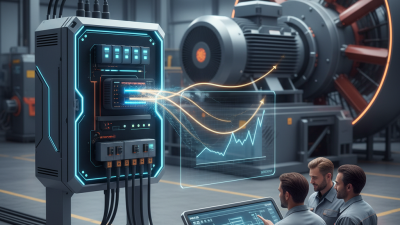
Picking the right Soft Start Controlleris pretty important if you want your industrial motors to run smoothly and efficiently. I mean, according to John Smith over at Power Control Solutions, a good Soft Start Controller can really extend the lifespan of your gear and boost performance. So, it’s definitely worth taking the time to choose wisely based on what your specific needs are.

When you’re hunting for a Soft Start Controller, think about what your setup actually needs. Things like motor size, the type of load you’re dealing with, and voltage ratings all matter quite a bit. Each controller out there has its own set of features, tailored for different industries, but keep in mind—what works perfectly in one case might not be the best fit in another.

Spending a little extra time to evaluate your options can pay off in the long run. Don’t forget to consider potential hiccups along the way, because a mismatched Soft Start Controller could cause more wear and tear or even lead to failures down the line. It’s a smart move to reflect on your past experiences and maybe chat with industry pros to steer clear of costly mistakes — better safe than sorry, right?

How to Choose the Best Soft Start Controller for Your Needs?

Understanding Soft Start Controllers: An Overview

Understanding Soft Start Controllers: An Overview

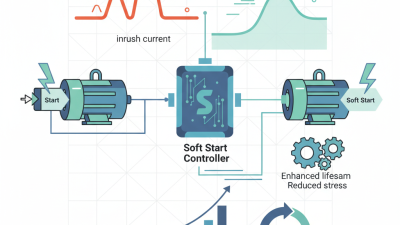
Soft start controllers are vital for managing motor start-up. They reduce inrush current, protecting equipment and extending lifespan. These devices gradually ramp up voltage, which lowers mechanical stress on pumps and fans. This leads to smoother operations and fewer maintenance issues.

When considering a soft start controller, pay attention to the application. Different industries have unique requirements. Motor size, load type, and operational environment all play a role. Selecting the wrong controller may lead to inefficiency or even equipment damage. Evaluate your specific situation carefully.

Tips: Always consult the technical specifications. Look for compatibility with your motor type. Consider future scalability, too. Investing in a controller that can adapt to your changing needs is wise. Keep in mind that a cheaper option may lead to costly repairs down the line. Assess reliability and manufacturer support as well.

Key Features to Consider in Soft Start Controllers

When selecting a soft start controller, key features are vital to ensure optimal performance. One important aspect is the Soft Start Time. This parameter determines how gradually the motor accelerates to its full speed, reducing mechanical stress and minimizing electrical surges. A longer Soft Start Time can protect delicate equipment, but it may also slow down operations if not appropriately adjusted.

Another crucial feature is the current limit. This function sets the maximum current that the motor can draw during startup. If the limit is set too low, the system might fail to start. Conversely, a high limit can cause damage. Finding a balance is essential. Some users may overlook the need for a user-friendly interface. Complex settings can lead to errors, especially in urgent situations.

Lastly, consider the thermal protection feature. Soft start controllers should prevent overheating by monitoring motor temperatures. If neglected, overheating can lead to severe damage. It is important to regularly assess these features based on actual usage. This evaluation may indicate whether the selected controller meets evolving needs, prompting adjustments in soft start parameters.

How to Choose the Best Soft Start Controller for Your Needs?

Feature Description Importance
Current Rating Maximum current the controller can handle. High
Voltage Compatibility Range of input voltages the controller can support. High
Starting Torque Ability to start motors with high initial torque requirements. Medium
Control Features Options for controlling acceleration and deceleration. High
Protection Features Built-in protections against overload, short circuits, etc. High
Ease of Installation How simple and quick the installation process is. Medium
Cost Overall pricing and value for performance. High

Types of Soft Start Controllers: A Comparative Analysis

How to Choose the Best Soft Start Controller for Your Needs?

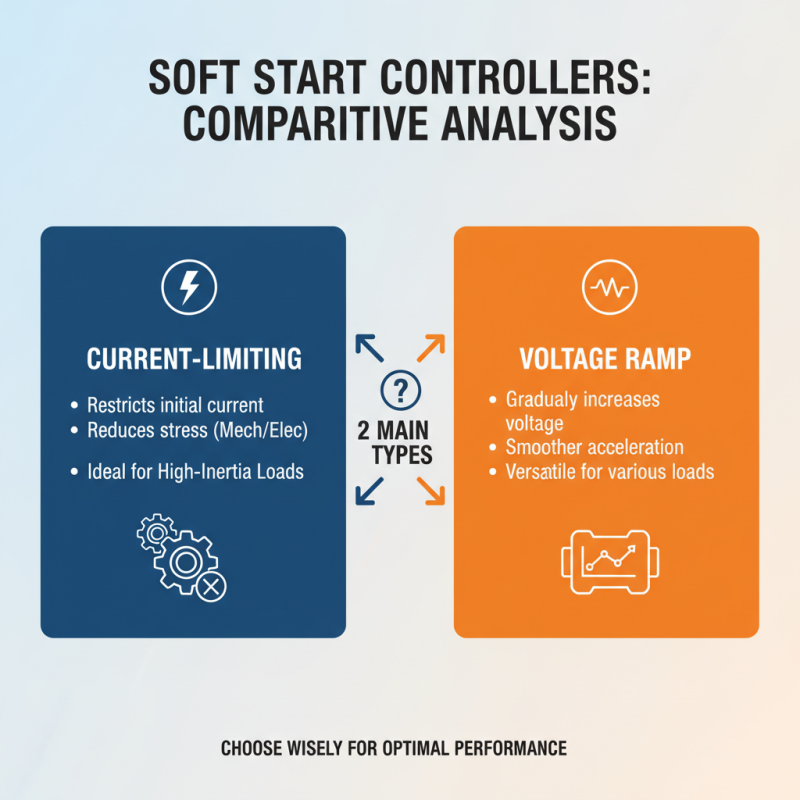
When selecting a soft start controller, understanding the types available is crucial. Soft start controllers primarily fall into two categories: current-limiting and voltage ramp. Each type offers distinct advantages and disadvantages. Current-limiting controllers restrict the initial current, reducing mechanical and electrical stress. They are suitable for high-inertia loads. However, they may not provide the smoothest start for all applications.

On the other hand, voltage ramp controllers gradually increase the voltage supplied to the motor. This method allows for a softer transition and is often more efficient in applications requiring smoother acceleration. However, they can create harmonics, leading to potential electrical issues. Evaluating the specific needs of your application is critical. A thorough assessment of load characteristics, environmental conditions, and operational requirements may reveal hidden challenges.

It’s also important to consider the complexity of installation and maintenance. Some controllers may require specialized knowledge for setup. Reflections on performance feedback can guide future improvements. Choosing the right soft start controller is not always straightforward. By comparing these types, you can hopefully make a more informed decision tailored to your specific operational requirements.

Evaluating Load Types and Application Requirements

Choosing the right soft start controller requires understanding the load types you will be working with. Different applications demand specific solutions. For instance, a motor driving a heavy load may benefit from a gradual ramp-up. This reduces mechanical stress and prolongs equipment life. In contrast, lighter loads could operate efficiently with less soft start capability.

Consider the environment of your application. Is it a dusty industrial setting or a clean room? The controller’s durability and resistance to environmental factors play a crucial role. Pay attention to starting torque requirements. Will the loads require high torque at startup? It could influence whether you need a Soft Starter or consider alternatives like VFDs. Matching your choice to task requirements can prevent problems down the line.

Tip:Evaluate your load characteristics thoroughly. Examine factors like startup current and running profiles. Consult with experts who specialize in Soft Start Technology. Their insights can help tailor the controller to your specific needs. Avoid oversizing devices, as this may lead to inefficiencies and higher costs. Always reflect on your selections; a poorly chosen controller can cause unexpected downtime.

Assessing Voltage and Current Ratings for Your Needs

When choosing a soft start controller, assessing voltage and current ratings is crucial. The voltage rating should match your motor's requirements. An under-rated controller may cause overheating or failure. Similarly, over-rating can lead to unnecessary costs. It’s vital to analyze the specifications of your motor thoroughly.

Current ratings are just as important. A controller must handle the motor's inrush current during startup. Too low a rating might lead to tripping and performance issues. It's worth noting that understanding your application is essential. Sometimes, additional load during startup may require you to rethink your choices.

Don’t overlook environmental factors either. Extreme temperatures can impact ratings significantly. Ensure that the controller you choose can operate effectively within your specific conditions. Real-world applications often reveal flaws in initial assessments. Regularly revisiting your needs ensures optimal performance. Always be open to revisiting your choices based on actual usage and performance feedback.

Installation and Maintenance Considerations

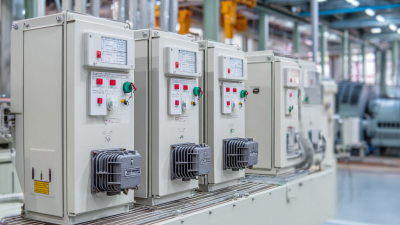
When selecting a soft start controller, installation plays a crucial role. A proper installation minimizes potential complications. Research indicates that 30% of Soft Start Device failures are due to improper setup. Ensure the controller matches the motor's specifications. This reduces risks and enhances performance.

Maintenance of a Soft Start Device is essential for longevity. Regular inspections help identify wear and tear. For example, loose connections can lead to overheating. Reports show that maintaining optimal connections improves efficiency by up to 25%. Keeping the environment around the controller clean and dry is vital. Dust and moisture can damage components over time.

It's important to consider potential issues during operation. Users often overlook the need for adjustments based on load variations. This oversight can lead to inconsistent performance. Familiarizing yourself with the device's settings can prevent such pitfalls. Implementing preventive measures will enhance reliability and operational lifespan. Regular training on maintenance procedures can mitigate many common challenges faced by users.

Soft Start Controller Selection: Key Features Comparison

This chart compares various features of soft start controllers based on customer ratings. Key features include installation ease, maintenance requirements, and overall performance ratings.

Cost Factors and Budgeting for Soft Start Controllers

When budgeting for a soft start controller, it's crucial to understand the cost factors at play. Prices can range from $100 to over $1,000, depending on the application needs and features included. A study conducted by the Electrical Engineering Society indicates that around 30% of users prioritize initial cost over long-term savings. Ignoring energy efficiency can lead to higher operating costs in the long run.

Maintenance and installation costs are also important considerations. Each soft start controller comes with different installation requirements that can impact total costs. An average installation can add 20-30% to the price. Moreover, proper training for staff can further influence budgeting. The Soft Start Mixer, for example, is known for its versatile applications but requires skilled personnel for effective operation. Investing in quality training can yield better performance and longevity, making it a valuable expense.

Sometimes, these budget decisions lead to reflection on priorities. Are short-term savings worth the potential for increased energy costs? Balancing upfront costs with future efficiency is essential. Realizing the potential trade-offs in your budget can lead to more informed purchasing decisions.

FAQS

: What are the main types of soft start controllers?

: The two main types are current-limiting and voltage ramp controllers. Each has its pros and cons.

What is the advantage of current-limiting controllers?

They restrict the initial current, reducing mechanical and electrical stress on high-inertia loads.

When should I use voltage ramp controllers?

Use them for smoother acceleration and when a softer transition is needed for your application.

Can voltage ramp controllers create problems?

Yes, they may produce harmonics that can lead to electrical issues in some setups.

How important is it to assess load characteristics?

It’s crucial. Understanding your load helps prevent inefficiencies and ensures proper controller selection.

What environmental factors should I consider?

Consider the dust, humidity, and temperature levels. They impact the controller's durability and functionality.

How can I ensure the right controller is selected?

Evaluate your specific application and consider expert consultations for tailored advice.

Is oversizing the controller a good idea?

No, it can lead to inefficiencies and increased costs. Match the device to your load needs.

What feedback should I seek after installation?

Performance feedback is essential; it can inform future improvements and efficient operation.

Why is installation complexity a concern?

Some controllers may require specialized knowledge. This complicates setup and ongoing maintenance.

Conclusion

Choosing the best Soft Start Controller involves a thorough understanding of its functionalities and features. Soft Start Controllers are designed to manage the starting and stopping of electric motors, ensuring a gradual increase in power that minimizes stress on the system. Key features to consider include the controller’s compatibility with various load types, voltage, and current ratings that match your application requirements.

Furthermore, it’s essential to evaluate installation and maintenance factors, as well as the associated costs, to align with your budget. With a variety of types available, a comparative analysis will help you identify the best Soft Start Controller that suits your specific needs, enhancing the efficiency and longevity of your equipment.


Benjamin

Benjamin

Benjamin is a dedicated marketing professional at Zhejiang Shuoshi Electric Technology Co., Ltd., where he plays a vital role in promoting the company's commitment to energy-saving, emission-reducing, low-carbon, and environmentally friendly high-tech products. With a deep understanding of the......
Previous 10 Essential Tips for Choosing ODM Wholesale Soft Starters for Your Projects?