Leave Your Message
0%

Picking the right Intelligent Soft Starter can really make a difference when it comes to how your equipment performs. I mean, industry pro John Smith from TechStart Solutions puts it nicely: “The right soft starter can boost efficiency and help your motor last longer.” That just goes to show why making a well-informed choice is super important.

Now, these smarter Soft Starters have some pretty cool features compared to the old-school, traditional ones. They give you better control over how the motor starts up, which can really save it from unnecessary stress—and that’s good news for the longevity of your equipment. A lot of folks tend to overlook just how tricky it can be to pick the perfect one, though.

But here’s the thing— not all Intelligent Soft Starters are created equal. Some might be missing key features that you need for your specific setup. So, it’s really worth taking a close look at stuff like what kind of application you’re running, the load’s characteristics, and how energy-efficient they are. Getting a handle on these details will help you pick the best option for your needs.

Top Tips for Choosing an Intelligent Soft Starter for Your Needs?

Understanding Intelligent Soft Starters: Key Features and Benefits

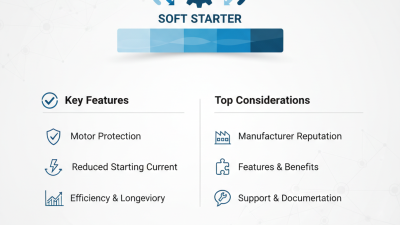
Intelligent soft starters are essential for controlling electric motors. They facilitate smooth motor startup, reducing mechanical stress and prolonging lifespan. A key feature is the adjustable starting current. This allows customization based on motor requirements, making the setup flexible for different applications.

Another significant benefit is integrated diagnostics. This feature monitors motor performance, identifies potential issues, and enhances maintenance scheduling. Real-time data helps in making informed decisions. Additionally, soft starters often include protection against overload, phase imbalance, and voltage fluctuations. These safeguards prevent damage, ensuring consistent functionality.

Selecting a soft starter requires consideration of specific needs. Look for Energy Efficiency, user-friendly interfaces, and compatibility with existing systems. However, not all soft starters offer the same level of reliability or features. Misunderstanding specifications could lead to inadequate performance. Take time to analyze options and consult experts when necessary.

Assessing the Application Requirements for Soft Starters in Industry

Choosing the right soft starter requires a deep understanding of application requirements. Industries commonly employ soft starters to reduce inrush current. This can extend equipment life by up to 30%, according to research by the National Electrical Manufacturers Association. Analyzing the specific operational environment is crucial. Factors like motor size, load conditions, and frequency of starts matter greatly in selection.

Consider the type of load your system will handle. For instance, applications with high inertia loads can demand different starting profiles compared to those with low inertia. The choice of a starter solution needs to align with your operational demands. Some users find the initial costs daunting, potentially overlooking long-term savings on maintenance and energy.

Moreover, evaluate the control features. Advanced soft starters offer programmable options for various parameters. While they may seem complex, these features allow for greater adaptability. However, some concerns arise regarding integration with existing systems. Potential compatibility issues could affect functionality. It’s essential to weigh these factors carefully against your specific needs.

Top Tips for Choosing an Intelligent Soft Starter for Your Needs

Application Motor Type Current Rating (A) Control Features Protection Features
Pumps Induction 30 Soft Starting, Ramp Control Overload, Short Circuit
Conveyors Synchronous 50 Torque Control, Stop and Start Thermal, Undervoltage
Fans Universal Motor 25 Speed Control, Timer Phase Failure, Overcurrent
Crushers Induction 75 Current Limiting, Start Delay Overload, Phase Imbalance

Evaluating Energy Efficiency Metrics in Soft Starter Selection

Choosing an intelligent soft starter requires careful consideration of energy efficiency metrics. According to a 2022 report by the International Electrotechnical Commission, energy efficiency can vary significantly among different soft starters. Selecting a device that minimizes peak current consumption can lead to substantial energy savings. A well-designed soft starter may reduce energy use by up to 30%. This reduction directly impacts operational costs, which is crucial for businesses aiming to improve their bottom line.

Evaluating the efficiency of a soft starter involves examining its performance during startup and load changes. Data from the American Society of Mechanical Engineers indicate that up to 70% of electrical energy is consumed during motor startup phases. Therefore, a soft starter with a gradual ramp-up feature can enhance performance while conserving energy. It's essential to ensure that the selected model can handle the specific demands of your equipment, as miscalculations can lead to equipment failures or energy waste.

It's also worth noting that some energy-efficient models come with higher initial costs. While initial investments are significant, the long-term savings can be substantial. A soft starter's ability to decrease wear and tear on equipment should not be overlooked. This can result in reduced maintenance needs and longer lifespans for your machinery. Making the right choice in soft starters demands thorough analysis and careful reflection on efficiency metrics.

Comparing Soft Starter Technologies: Solid State vs. Electromechanical

When comparing soft starter technologies, two primary options emerge: solid state and electromechanical. Solid-state soft starters utilize semiconductor devices which offer precise control over motor starting and stopping. These devices can reduce energy consumption significantly, with reports indicating energy savings of up to 30%. Their compact designs are also a notable advantage, making them suitable for applications with limited space.

On the other hand, electromechanical starters have been around for decades. They use contactors and relay systems to manage motor operations. While these systems can be cost-effective, they may not deliver the same energy efficiency as their solid-state counterparts. According to industry studies, electromechanical starters can lead to higher peak currents which might strain electrical systems. This can impact equipment longevity.

A notable downside of solid-state technology is its sensitivity to heat. Excessive temperatures can decrease their efficiency and lifespan. Electromechanical starters may lack the advanced features of solid-state but offer simpler troubleshooting processes. Both systems have their merits and drawbacks, requiring careful consideration based on specific application needs and budget constraints.

Analyzing Control Features: Programmability and User Interface Design

Choosing an intelligent soft starter involves careful consideration of various control features. Programmability is a major factor. A soft starter should offer flexible programming options. This allows users to tailor the device to specific applications. Customization improves efficiency and performance.

User interface design is equally crucial. An intuitive interface aids in ease of use. Complicated interfaces can lead to errors in operation. A clear display and simple navigation enhance the user experience. Users should assess whether the interface meets their comfort level.

However, despite advancements, some soft starters may still present challenges. Not all user interfaces are truly user-friendly. Sometimes, overly complex features can confuse users. It’s essential to evaluate these aspects carefully. User feedback plays a vital role in identifying potential issues.

Considering Environmental Factors: Operating Conditions and Enclosure Types

Top Tips for Choosing an Intelligent Soft Starter for Your Needs?

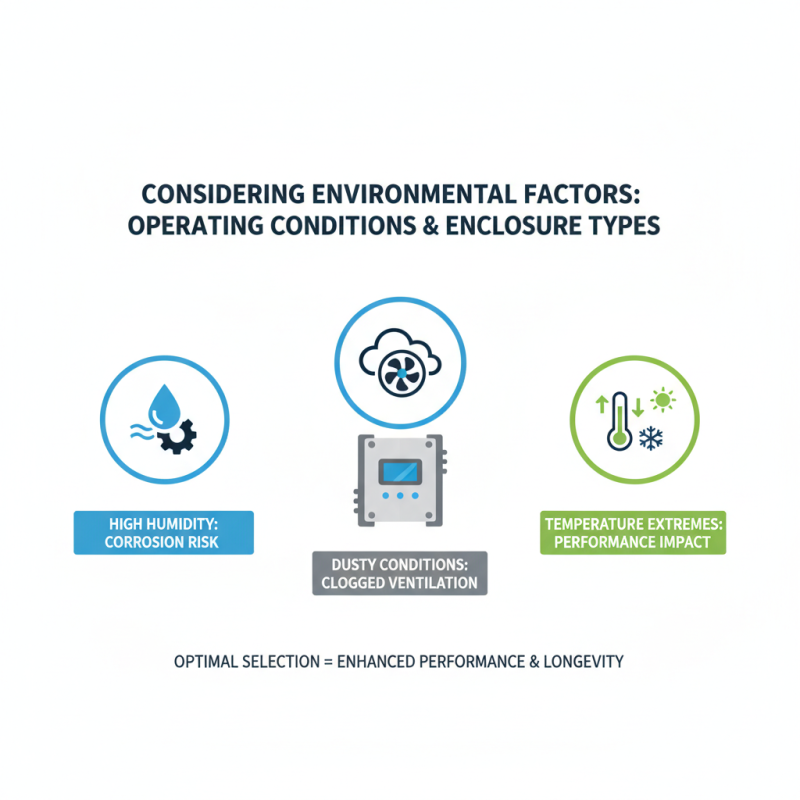
When selecting an intelligent soft starter, the operating conditions are crucial. Different environments demand special considerations. For instance, high humidity can lead to corrosion. Alternatively, dusty conditions may clog ventilation. Understanding the specific conditions where the soft starter will operate can significantly impact its performance and longevity.

Enclosure types play a vital role too. A NEMA-rated enclosure can protect against moisture and dust. However, this may not be necessary in clean, indoor settings. Each application is unique. A robust enclosure can add to the cost but may prevent costly downtime. Always evaluate the location and the surrounding environment.

Installing in a harsh environment introduces potential challenges. Overheating can occur without proper ventilation. Additionally, direct sunlight can affect performance. Testing different configurations may help identify optimal solutions. Your environment shapes your needs, and overlooking these factors can lead to poor performance. It's essential to balance cost and durability to ensure reliability.

Reviewing Industry Standards and Compliance for Soft Starters

When selecting an intelligent soft starter, understanding industry standards and compliance is essential. Many sectors enforce specific regulations that ensure safety and performance. Familiarizing yourself with these requirements can help avoid costly mistakes. Standards such as IEC and UL provide valuable guidelines for selecting the correct device. Adhering to such specifications can enhance reliability and efficiency.

Compliance is not merely a checkbox; it reflects the commitment to quality. Insufficient attention to standards can lead to operational failures. It might be tempting to choose the cheapest option available. However, if it does not meet industry standards, you may face issues in the long run. Testing and certification processes can be rigorous but ultimately lead to better performance.

Consider the environment where the soft starter will operate. Factors like temperature, humidity, and vibration play a role in compliance. Ignoring these aspects may void warranties or lead to malfunction. Balancing cost and compliance is challenging. It requires a strong grasp of industry-specific requirements. Conducting thorough research can mitigate risks associated with poor selection. Take time to evaluate all aspects before making a decision.

FAQS

: What is the role of intelligent soft starters?

: They control electric motors, ensuring smooth startups and reducing mechanical stress.

How can you customize intelligent soft starters?

They offer adjustable starting currents that can be tailored to specific motor requirements.

What does integrated diagnostics do?

It monitors motor performance, identifies issues, and helps with maintenance scheduling.

Why is operating environment important for soft starters?

Different conditions like humidity and dust can significantly affect performance and longevity.

How do enclosure types impact soft starters?

Enclosures protect against moisture and dust, which is crucial depending on the application environment.

What happens if you ignore environmental factors?

Overlooking them may lead to poor performance or even equipment failure.

Can soft starters be installed in harsh environments?

Yes, but overheating and exposure to direct sunlight can pose challenges without proper precautions.

What should you consider when selecting a soft starter?

Focus on energy efficiency, user-friendliness, and compatibility, but recognize varying specifications.

Are all soft starters reliable?

No, not all offer the same features or reliability. Misunderstanding specs can lead to problems.

What's the balance to achieve with soft starters?

It’s essential to balance cost and durability for consistent performance and reliability.

Conclusion

When choosing an Intelligent Soft Starter, it is essential to understand its key features and benefits, as these devices play a crucial role in managing motor startup and operation. Assessing application requirements specific to your industry is vital, ensuring the soft starter aligns with the operational demands and conditions present. Evaluating energy efficiency metrics can significantly impact long-term operational costs, making it an important consideration in the selection process.

Moreover, comparing different soft starter technologies, such as solid-state and electromechanical options, can lead to informed decisions based on performance and reliability. Control features, including programmability and user interface design, enhance ease of use and functionality. Additionally, understanding environmental factors, including operating conditions and enclosure types, alongside reviewing industry standards and compliance, will ensure that the chosen Intelligent Soft Starter meets both regulatory requirements and operational efficiency.
Benjamin

Benjamin

Benjamin is a dedicated marketing professional at Zhejiang Shuoshi Electric Technology Co., Ltd., where he plays a vital role in promoting the company's commitment to energy-saving, emission-reducing, low-carbon, and environmentally friendly high-tech products. With a deep understanding of the......
Previous Top 10 Electrical Soft Starters at Canton Fair 2026?