Lately, there's been a pretty noticeable increase in folks looking for more efficient ways to control motors. One thing that's been gaining traction is the Three Phase Soft Starter. Honestly, a lot of experts agree on just how important this component is. I remember John Anderson from MotorTech, a real guru in Motor Control tech, once saying, "A reliable soft starter can really make or break the performance and lifespan of your motors."
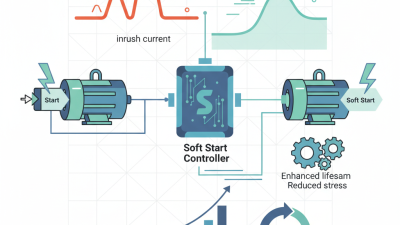
Many industries rely heavily on electric motors—no doubt about it. But starting them up isn't always smooth sailing; it can create these massive inrush currents that stress the equipment. That's where a soft starter, especially a three-phase one, really comes in handy because it eases the motor into startup, helping to lessen that initial stress. Now, picking the right model isn’t always a walk in the park. Different setups and applications might need different configurations, so you can’t just go for the first one you see.
If you're looking at the top models for 2026, it’s all about weighing your options carefully. A lot of folks make the mistake of judging a product just off specs, but those don’t tell you everything. Sometimes, a unit might look great on paper but doesn't hold up well under certain duty cycles. That’s why MotorTech recommends paying close attention to real user feedback. Usually, the people who've actually used these starters can share insights that specs alone can’t convey. Finding the perfect Three Phase Soft Starter isn’t super simple, but it’s pretty crucial if you wanna keep things running smoothly and efficiently.
Understanding Three Phase Soft Starters: A Comprehensive Overview
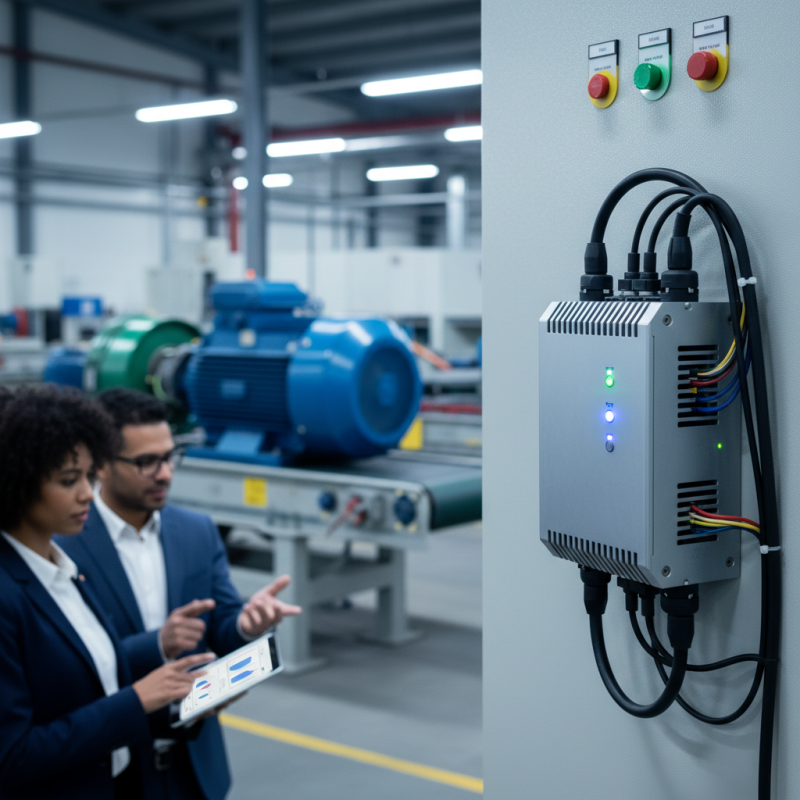
Three-phase Soft Starters are essential for controlling large motor loads. They offer smooth motor starts, reducing mechanical stress. This is crucial in industries like manufacturing and HVAC. According to recent industry reports, soft starters can decrease energy consumption by up to 20%. Proper control helps extend motor life and enhance system efficiency.
However, not all installations are perfect. Misconfigurations can lead to inefficient performance. For example, incorrect parameters may cause longer start times, increasing wear on components. Additionally, the initial investment for soft starters can be significant. This upfront cost may deter some businesses, leading them to overlook potential long-term savings.
In practice, users often face challenges with integration. Compatibility issues with existing systems can arise. Regular maintenance is also necessary to ensure optimal performance. Not addressing these concerns may negate the benefits that soft starters can provide. Therefore, careful planning and evaluation are critical in selecting the right model for specific applications.
Key Features of Soft Starters for Motor Control Efficiency
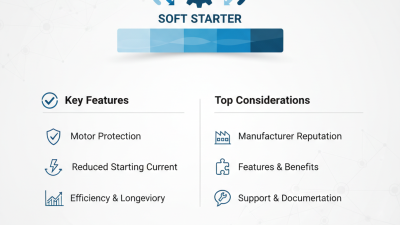
When selecting a three-phase soft starter, efficiency is key. The device plays a crucial role in motor control, ensuring smooth operation. One essential feature is the reduced starting current. This minimizes stress on electrical components, ultimately extending their lifespan. Another feature is adjustable ramp-up time, allowing motors to start gradually. This prevents sudden jolts, which can be damaging.
Temperature monitoring is also significant. Overheating can lead to failures. A good soft starter should include thermal protection. This keeps motors safe under various loads. Another aspect to consider is the user-friendly interface. Complex setups can lead to errors, limiting effectiveness. Intuitive controls enhance usability, making operation straightforward.
Despite these benefits, not all soft starters perform identically. Some may lack sufficient programming options. Others might be difficult to integrate with existing systems. Therefore, reflect on specific motor requirements and operational environments. An effective soft starter will adapt to these needs rather than impose limitations. Adjusting to the right features can lead to remarkable improvements in motor efficiency.
Market Trends: Demand for Soft Starters in Industrial Applications
The industrial sector is seeing a growing demand for soft starters, particularly three-phase options. Recent reports indicate that the global soft starter market is projected to reach $2 billion by 2026. This demonstrates a clear trend toward smarter motor control solutions. Many industries recognize the importance of reducing energy consumption and enhancing equipment lifespan through effective motor management.
As businesses upgrade their operations, they often overlook the role of reliable soft starters. Using a three-phase soft starter can significantly improve the starting conditions for motors. However, many operators are still not aware of the benefits. A properly implemented soft starter can reduce peak current by up to 70%. This is critical in high-demand environments. Conversely, some facilities still rely on outdated systems, missing out on energy savings.
Moreover, the rise of automation in manufacturing is making soft starters even more essential. They help streamline the starting process of heavy machinery. However, market research shows that a segment of companies is hesitant to adopt these technologies. Some fear the initial investment may not justify the returns. This reluctance could hinder their competitiveness. On the other hand, the adoption of Single Phase Soft Starters is also on the rise, indicating a shift towards more adaptable solutions across various applications. Embracing advancement is crucial for sustainable growth.
Comparative Analysis: Soft Starters vs. Traditional Motor Starters
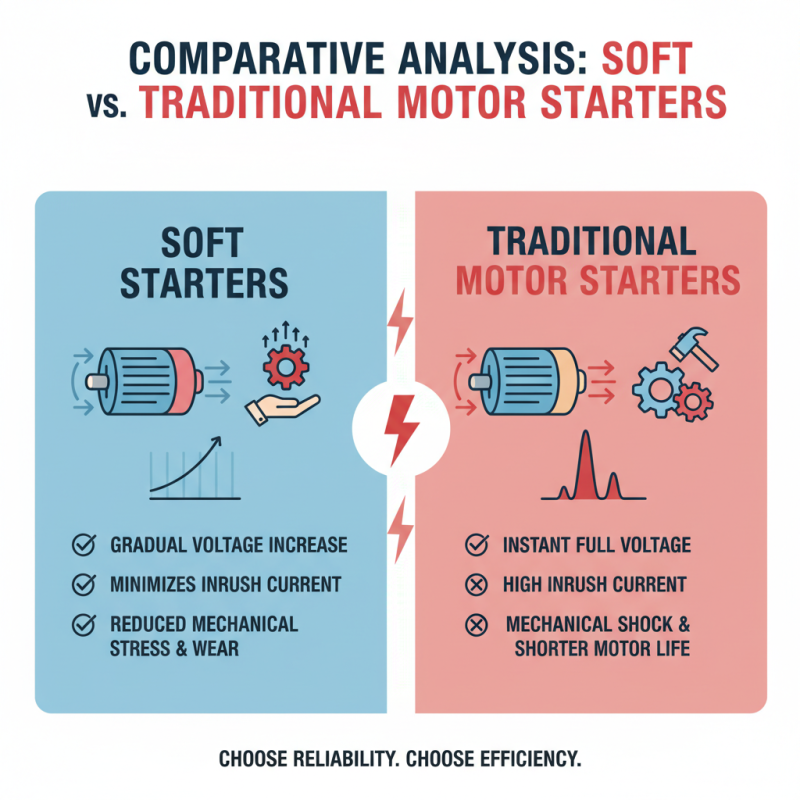
When choosing motor control solutions, the debate between soft starters and traditional motor starters is significant. Soft starters gradually increase voltage, minimizing inrush current. This leads to less stress on motors and reduces wear. In contrast, traditional motor starters provide full voltage instantly. This can cause mechanical shock and may shorten the lifespan of the motor.
Tips: Evaluate your specific motor application. Different environments require different approaches.
Soft starters are more efficient for applications that require frequent starts and stops. For instance, in conveyor systems, a Smooth Start can prevent product misalignment or damage. On the other hand, direct online starters can be simpler and cheaper for less demanding environments. Some users may overlook the energy savings a soft starter offers during operation.
Tips: Consider installation space. Soft starters often have a smaller footprint.
Ultimately, the choice boils down to application needs. "Soft Starter Vs Direct Online Starter" can reflect different operational efficiencies and maintenance costs. For modern applications, soft starters may often be the better option. However, some traditional setups might still function effectively without the need for change. Reflecting on these points helps to ensure a well-informed decision.
Top Brands of Three Phase Soft Starters: A Review of 2026 Options
When choosing a three-phase Soft Starter, numerous options are available. These devices are essential for controlling motor startup. They offer better efficiency and reduce system stress. However, not all soft starters are created equal. Each brand has unique features that could either excel or fall short based on specific applications.
Some top brands offer advanced technology to fine-tune the motor's performance. They provide options for soft start, overload protection, and customizable settings. However, buyers can feel overwhelmed by the choices. It's crucial to analyze performance ratings and user reviews. Misunderstanding a feature could lead to inefficiency or downtime.
Some soft starters may lack certain necessary features for specific industrial applications. Users should question the reliability and long-term benefits. Are they truly getting value for their investment? Identifying the right device can significantly enhance operational efficiency. Opt for those that meet your specific needs while ensuring quality and durability. Balancing cost and functionality is often a challenge in making the best decision.
Efficiency Metrics: Evaluating Soft Starter Performance
When evaluating the performance of three-phase soft starters for motor control, efficiency metrics play a crucial role. These metrics often include starting current, voltage drop, and overall energy consumption. An efficient soft starter minimizes the electrical stress on the motor, extending its lifespan and reducing maintenance costs. Additionally, the soft starter should provide smooth acceleration, which is vital for heavy machinery applications.
Tips: Always consider the application requirements. Some environments may require higher starting torque. Look for features that can adapt to your needs, such as adjustable ramp times. This can enhance the performance of your Ac Soft Starter significantly.
Monitoring energy usage is essential. Tracking the energy savings associated with your soft starter can provide valuable insights. Some motors may not show immediate benefits, revealing the need for ongoing evaluation. Regular assessments can identify inefficiencies, prompting necessary adjustments. Remember, the ultimate goal is to achieve the highest efficiency for your motor systems, ensuring reliable operation.
Future Innovations in Soft Starter Technology and Energy Savings
In the electric motor industry, soft starters have emerged as essential tools for efficient motor control. These devices reduce energy consumption during startup, which helps in protecting motors from excessive wear. Innovative designs have made soft starters more responsive to load variations. However, they are not perfect; sensitivity to fluctuating power quality remains a concern.
Future advancements in soft starter technology promise even greater energy savings. For instance, integrating smart sensors can optimize the start-up sequence based on real-time conditions. This move would enhance performance and reduce energy waste. Yet, industries must remain cautious. Relying solely on automation may lead to oversight in manual checks. Balancing technology with human input is vital for maximizing efficiency.
Energy efficiency is not just a trend; it's a necessity. As we move towards greener solutions, the evolution of soft starters plays a crucial role. However, the challenge lies in ensuring these innovations align with sustainable practices. Stakeholders should reflect on how to implement these technologies responsibly. This ensures that progress does not overshadow the need for diligent management and mindful operation.
2026 Best Three Phase Soft Starter Efficiency Comparison
This chart compares the energy efficiency of various three-phase soft starters based on their average energy savings during operation. The data reflects how innovative technologies can lead to improved energy performance.
Evaluating Industry Demand for SHMV-YTG Medium Voltage Soft Starter Integrated Cabinets: Insights from Recent Market Reports
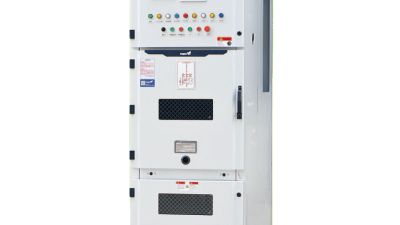
The evaluation of industry demand for medium voltage soft starter integrated cabinets, particularly the SHMV-YTG series, highlights the necessity of advanced solutions in powering large motors. Utilizing cutting-edge digital microprocessor control and modern power electronic technology, these soft starters are specifically engineered to ensure a seamless and efficient start for medium and high-voltage motors. By implementing a unique soft start method, they provide optimal current limiting which is crucial for adapting to various load conditions. This adaptability not only enhances performance but also protects the integrity of the electrical grid by minimizing voltage drops during the startup phase.
Furthermore, the SHMV-YTG series offers various control functions designed to facilitate a smooth startup while minimizing both current and mechanical shocks. This progressive approach allows for a controlled decrease in voltage when a soft stop is necessary, ensuring that the motor can halt gracefully without sudden disruptions to the drive system. As industries increasingly prioritize efficiency and reliability in motor control, the features embedded within the SHMV-YTG series will likely meet rising demand for integrated motor management solutions, paving the way for more sophisticated and sustainable industrial operations.
FAQS
: They control large motor loads and provide smooth motor starts.
They can reduce energy consumption by up to 20%.
Users may encounter integration issues and compatibility problems.
Regular maintenance is crucial for optimal performance and longevity.
Yes, they can lead to long-term savings that offset upfront investments.
They are ideal for applications needing frequent starts and stops.
Misconfigurations can lead to inefficient performance and increased wear.
Yes, soft starters often require less installation space than traditional options.
Yes, by reducing mechanical stress during operation.
Yes, in simpler applications where full voltage is acceptable.
Conclusion
The article "2026 Best Three Phase Soft Starter for Efficient Motor Control" provides an in-depth analysis of three phase soft starters, highlighting their critical role in enhancing motor control efficiency. It covers the fundamental principles behind soft starters, elucidating their key features that facilitate smooth motor operation while minimizing energy consumption. The discussion extends to the growing demand for soft starters in various industrial applications, driven by the need for reliability and efficiency in motor management.
A comparative analysis illustrates the advantages of three phase soft starters over traditional motor starters, emphasizing their superior performance metrics. Additionally, the article explores current market trends, top brands available in 2026, and potential innovations in soft starter technology that promise further energy savings and operational efficiencies. The insights provided serve as a valuable guide for industries aiming to optimize their motor control systems through effective use of three phase soft starters.