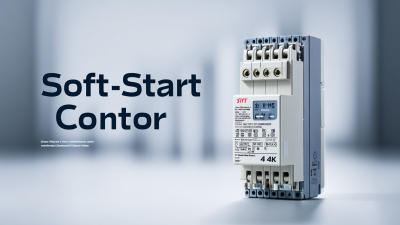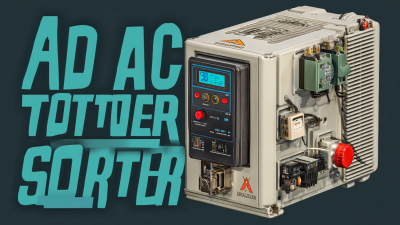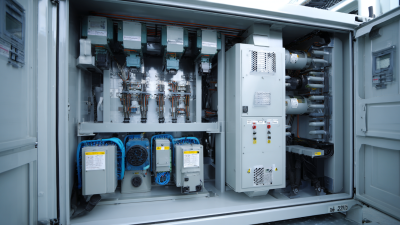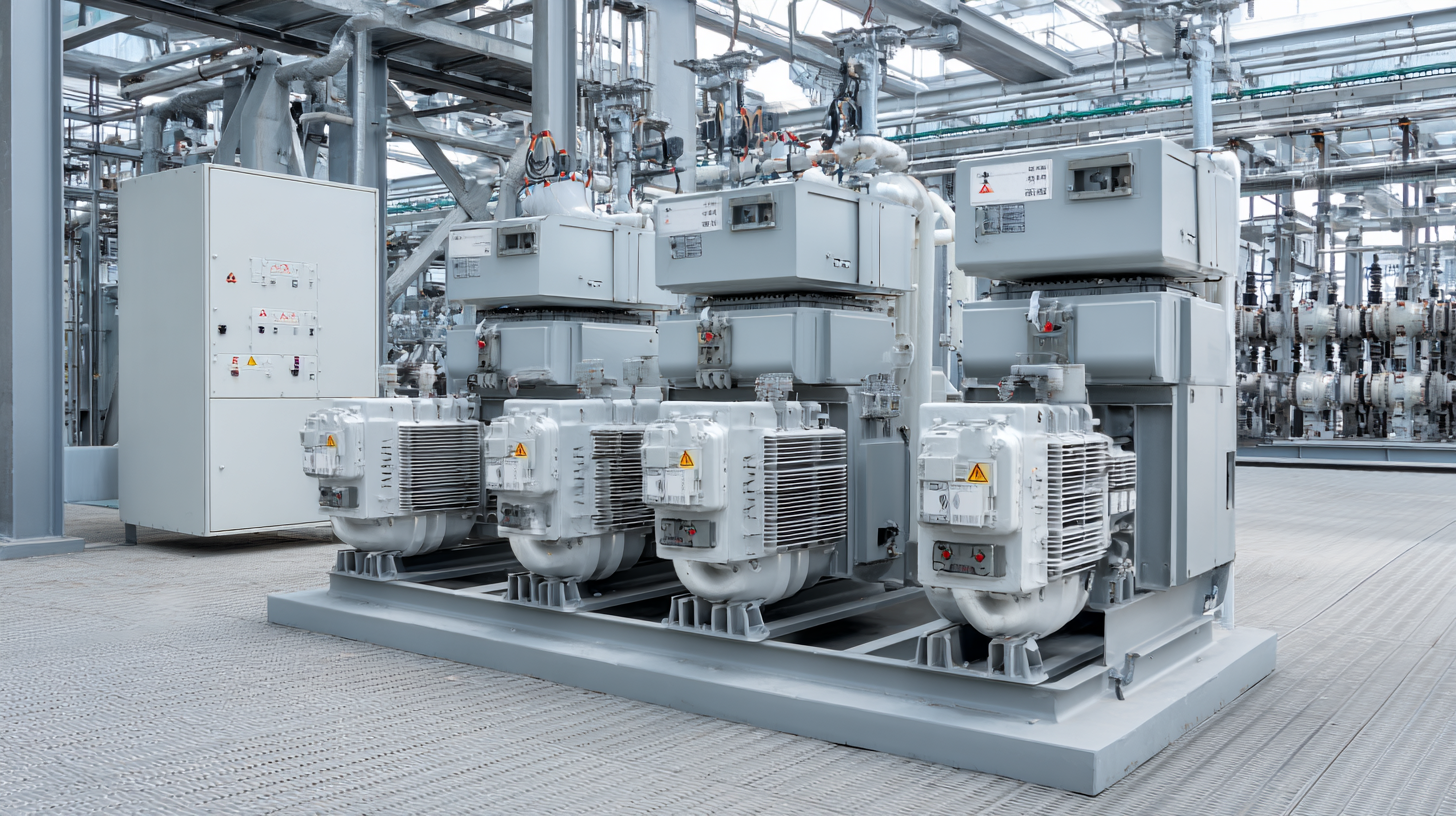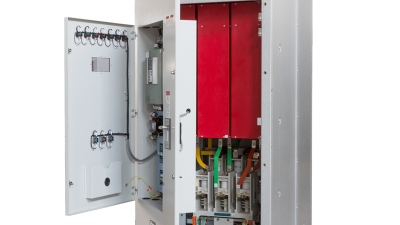
You know, in today’s fast-changing industrial world, the push for energy-efficient solutions is really more important than ever. A report from the International Energy Agency found that around 54% of total global energy use comes from industrial processes! That really highlights the urgent need for fresh, innovative technologies that can help us become more sustainable. One cool technology making waves is the Three Phase Soft Starter. This little device is super crucial because it helps control the startup currents of electric motors, which cuts down on both mechanical stress and energy consumption. Over at Zhejiang Shuoshi Electric Technology Co., Ltd., they’re all about developing high-tech, eco-friendly products that meet these industry demands. By adding Three Phase Soft Startersinto their Industrial Automation systems, companies aren’t just boosting their operational efficiency; they’re also playing a key role inreducing carbon emissions and pushing toward a greener future. Pretty exciting stuff, right?
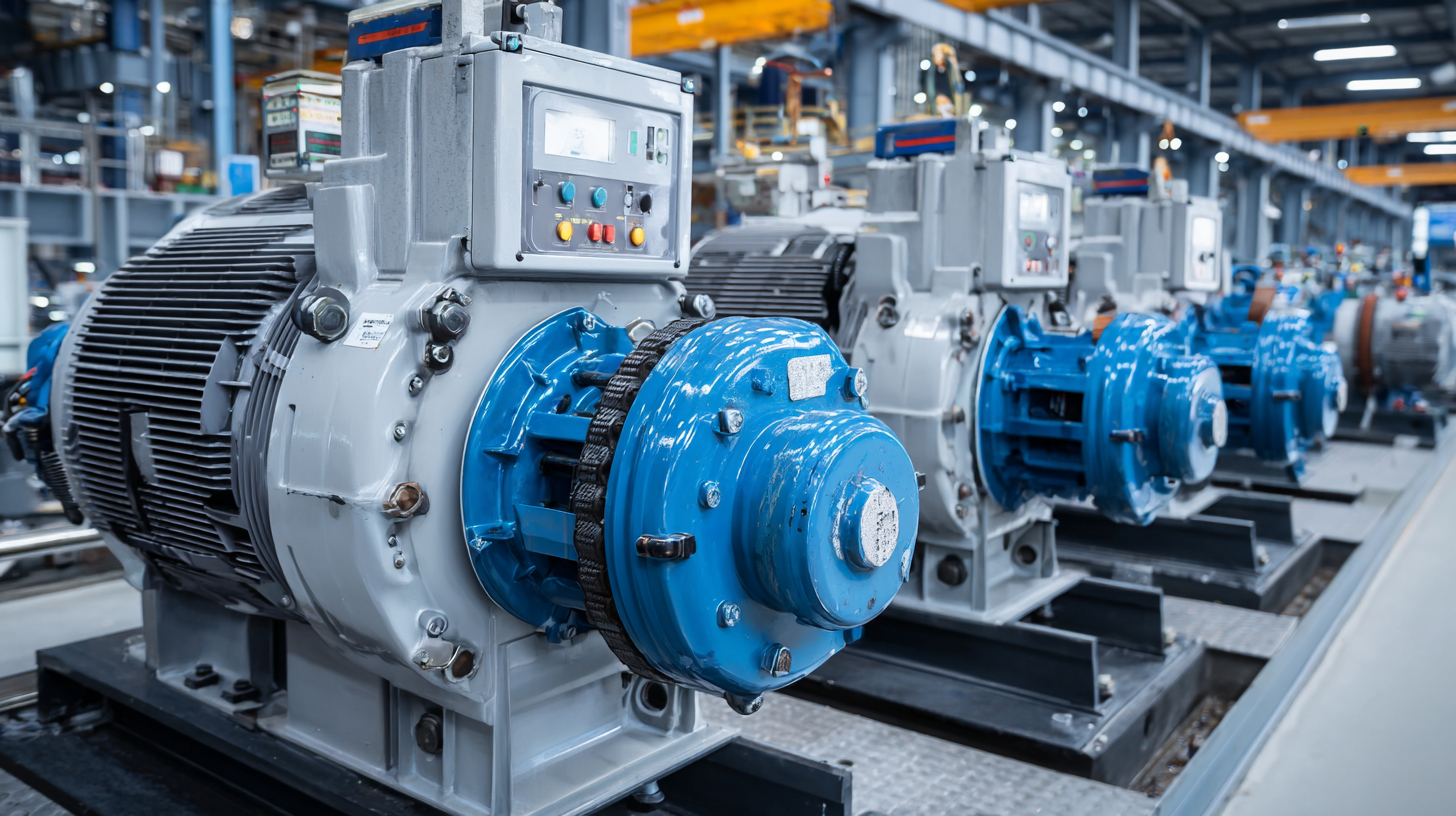
You know, in today's industrial world, three-phase soft starters have really become essential if you want to keep your machinery running smoothly. These handy devices allow electric motors to ramp up gradually, which helps to ease mechanical stress and cuts down on those pesky peak current demands. There’s this report by the International Electrotechnical Commission (IEC) that points out industries using soft starters can see energy consumption drop by as much as 20%! That’s pretty amazing when you think about the cost savings and better efficiency it brings to operations.
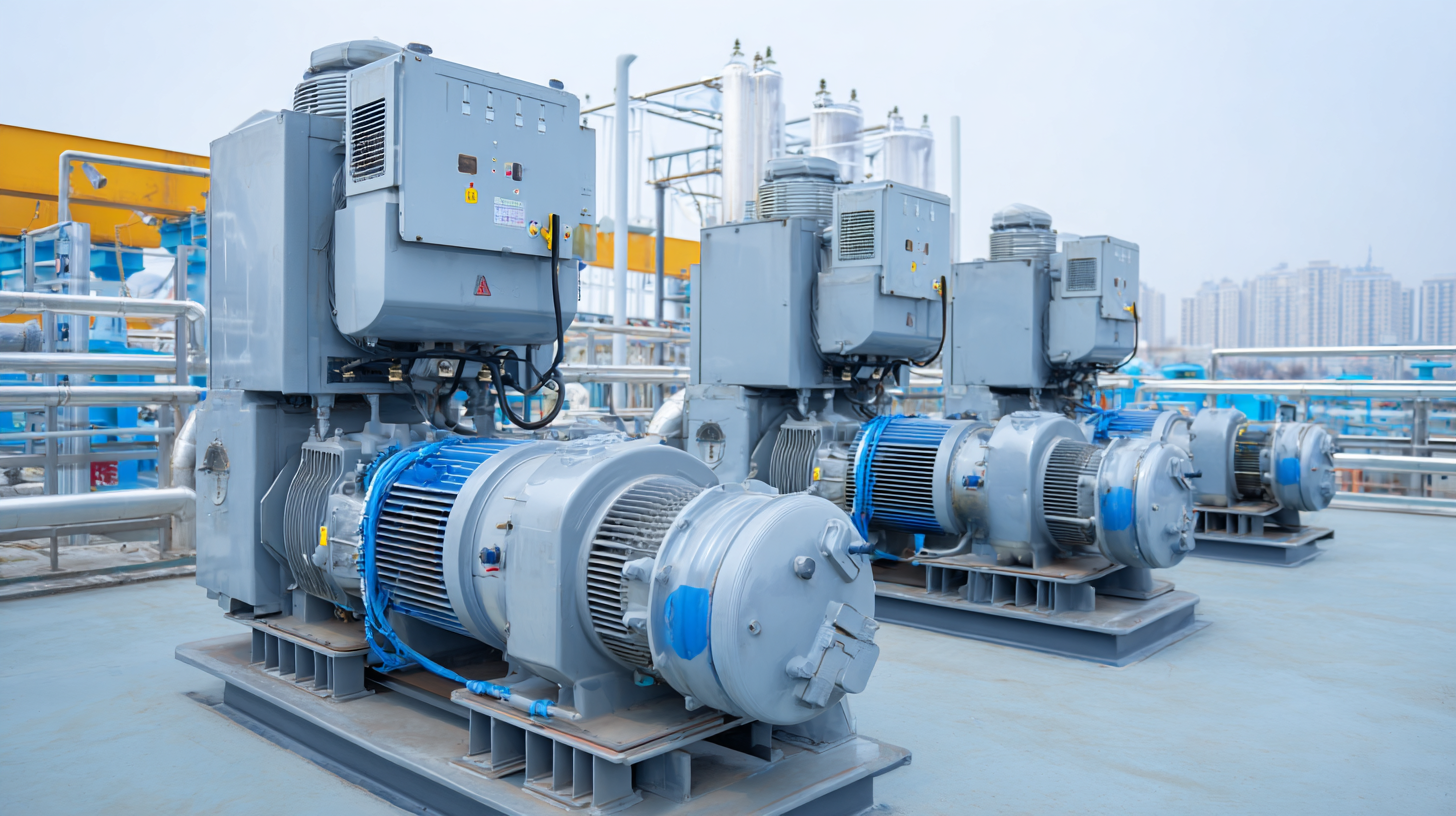
But the perks don't stop at saving energy—soft starters actually help extend the life of your motors, too. A study from the Electric Power Research Institute (EPRI) suggests you could see maintenance costs fall by around 30%. That's huge, especially in industries where heavy machinery is at play and any downtime can really add up in terms of financial losses.
If you're on the hunt for the right soft starter, make sure to check out the motor's horsepower and what your application needs specifically. And hey, it’s smart to look for models that come with built-in protections against overload and phase loss; they can really boost the reliability of your equipment. Plus, don’t forget about regular monitoring and preventive maintenance—they're key to getting the most out of those three-phase soft starters, keeping everything running smoothly and ramping up productivity in today’s industrial setups.
So, let’s talk about the impact of choosing a three-phase soft starter for industrial uses. It can really make a difference when it comes to how efficiently things operate and how long your equipment lasts. You know, some of the best soft starters you’ll find from China come loaded with features that boost their performance and reliability. These devices usually have advanced control algorithms, which help to start motors smoothly. This means less inrush current and way less strain on mechanical parts. Not only does this help your machinery last longer, but it also cuts down the chances of something going wrong right at startup.
Another cool thing about top-notch three-phase soft starters is that they come with built-in protection features. We’re talking Overload Protection, phase failure detection, and even short-circuit protection. These features are super important for keeping everyone safe, not to mention the equipment! Plus, a lot of these models are designed with user-friendly interfaces and telemetry options, so monitoring and making adjustments is a breeze. This mix of smart tech and solid safety measures is why so many industries are turning to Chinese soft starters to boost their operational efficiency and keep maintenance costs low.
You know, in the world of Industrial Applications, three phase soft starters have really turned things around in various industries. Take this large manufacturing plant, for example. When they started using a three phase soft starter, it really knocked down the starting currents for their heavy-duty motors. This big change didn’t just boost the efficiency of their machines; it also eased up on the mechanical stress they were putting on everything, which means their critical equipment ended up lasting longer. On top of that, the facility saw a drop in maintenance costs and a lot less unplanned downtime, making their production process way smoother.
And then there’s the water treatment industry, which also has a great story to tell. A municipal water facility was struggling with the rough start-up of their pumps, causing a whole lot of stress on the pipelines and some nasty water hammer problems. But once they brought in a three phase soft starter, they managed to control how fast the pumps ramped up, which really took the pressure off the pipes and made the whole system just work better. Not only did this fix some of the damage issues they were having, but it also saved them some energy. It’s a perfect example of how smartly using soft starters can create real win-win situations, benefiting both the operations and the environment in all sorts of industrial settings.
In manufacturing, the choice of starting methods for machinery significantly impacts operational efficiency and energy consumption. Traditional starting methods, such as direct-on-line (DOL) starters, can subject motors to high inrush currents, often exceeding six times their rated current. This abrupt power surge can lead to mechanical stress, resulting in increased wear and a reduced lifespan for equipment. A study by the International Electrotechnical Commission (IEC) indicates that soft starters can reduce starting current by 30-50%, providing a smoother ramp-up of motor speed and consequently limiting mechanical shock.
Switching to three-phase soft starters offers a shift in paradigm for many industrial settings. Unlike conventional starters, soft starters effectively manage the starting process by gradually increasing voltage, which not only lowers energy spikes but also minimizes torque transients. Statistics from the Electric Power Research Institute (EPRI) reveal that the use of soft starters can result in energy savings of up to 20%, making them a cost-effective solution for manufacturers looking to optimize performance.
**Tip:** When selecting a soft starter, always consider the specific operational requirements, including voltage ratings and motor sizes. Proper sizing can ensure optimal performance and longevity.
**Tip:** Regularly monitor the performance of your soft starter to ensure it is functioning as intended. Implementing predictive maintenance schedules can help identify potential issues before they lead to equipment failure.
You know, the world of soft starter technology is really changing fast these days. I mean, there's this big push for better efficiency and performance in industrial settings that’s really driving things forward. Recent studies show that using those advanced soft starters can actually cut energy consumption by as much as 30%! That's a pretty big deal when it comes to slashing operational costs. Manufacturers are really getting into smart features that let you monitor things in real-time and make adjustments on the fly. This boost in reliability and efficiency is definitely what the industry needs, especially when everyone’s trying to reduce downtime and ramp up production.
**Quick Tip:** When you’re picking a soft starter, definitely check out the ones with predictive maintenance features. Those can spot potential issues before they become real problems, which is a huge time-saver and can save money too.
What’s also cool is the latest tech that brings IoT connectivity into the mix. This means these soft starters can easily mesh with the control systems you've already got. I came across a report from the International Energy Agency (IEA) that says this kind of connectivity really improves energy management. It can give you insights that help make better decisions about how you use energy. Looking ahead, I think soft starters are going to be super important in automation and energy efficiency strategies across all kinds of industrial applications.
**Another Tip:** Just make sure your soft starter works well with your current systems to really get the most out of it, and don’t forget to train your team to make the most of these new tech capabilities.
| Application Area | Soft Starter Type | Efficiency Improvement (%) | Energy Savings (kWh/year) | Future Trend |
|---|---|---|---|---|
| Pumping Stations | Class A Soft Starter | 15 | 10,000 | IoT Integration |
| Conveyor Systems | Soft Start with PID Control | 20 | 12,500 | Predictive Maintenance |
| HVAC Systems | Digital Soft Starter | 10 | 15,000 | Smart Energy Management |
| Mining Equipment | High Torque Soft Starter | 25 | 18,000 | Advanced Cooling Systems |
| Motor Control Centers | Compact Soft Starter | 18 | 9,500 | Modular Designs |
In today’s rapidly evolving energy landscape, enhancing efficiency in power distribution is paramount. One of the key components contributing to this goal is the utilization of medium and high voltage solid-state soft starter devices, like the innovative SHMV-DN series. These advanced pieces of electrical equipment leverage third-generation digital microprocessor control technology and cutting-edge power electronics to revolutionize the way large motors are started.
The SHMV-DN solid-state soft starters are designed to offer a smooth and controlled acceleration process, which is crucial for minimizing the initial surge of current that can stress electrical grids. By employing a variety of control functions tailored to different load conditions, these devices ensure the optimal soft starting mode, drastically reducing voltage drops during startup. This not only protects the motor but also lessens the mechanical strain associated with rapid startups, thereby extending the lifespan of both the motor and the associated equipment.
Moreover, the capabilities of the SHMV-DN extend to soft stopping as well, providing a smoothly decreasing controllable voltage that allows for gentle deceleration of the motor drive system. This feature is essential for industries where equipment integrity and operational safety are top priorities. As the global market shifts towards more sustainable and efficient power distribution solutions, robust systems like the SHMV-DN series are paving the way for smarter energy management practices.
: Three phase soft starters reduce starting currents for heavy-duty motors, enhancing operational efficiency, minimizing mechanical stress, and extending the lifespan of equipment. This leads to lower maintenance costs and reduced unplanned downtime.
The facility achieved controlled pump speed ramp-up, alleviating pipeline stress and water hammer issues, improving overall system performance and contributing to energy savings.
Advanced soft starters can reduce energy consumption by up to 30%, significantly impacting operational costs.
Manufacturers are integrating smart features for real-time monitoring and adjustments, which increase reliability and system efficiency while minimizing downtime.
Predictive maintenance features can foresee potential failures, allowing timely interventions that save time and costs.
IoT connectivity will enable seamless integration with existing control systems, improving energy management and providing insights for better decision-making in energy usage.
Facilities should opt for models with predictive maintenance capabilities and ensure compatibility with existing systems to maximize benefits.
Investing in staff training is essential to fully leverage the capabilities of new technology, ensuring optimal operation and maintenance.
Various industries, including manufacturing and water treatment, have highlighted successful implementations of three phase soft starters.
By improving operational efficiency and reducing energy consumption, soft starters can lead to better resource management and reduced environmental impact in industrial settings.