In today's fast-paced industrial landscape, choosing the right Motor Soft Starteris crucial for optimizing Energy Efficiency and reducing operational costs. According to a report by MarketsandMarkets, the global soft starters market is projected to reachUSD 1.2 billion by 2026, driven by increasing demand for energy-saving technologies. At Zhejiang Shuoshi Electric Technology Co., Ltd., we are dedicated to providing high-tech, environmentally friendly products that align with this trend. With a focus on energy-saving and emission-reducing solutions, our Motor Soft Starters not only enhance performance but also support sustainable industrial practices.
This ultimate checklist aims to guide you through the critical factors to consider when selecting the ideal Motor Soft Starter for your specific needs, ensuring you make an informed decision that contributes to a greener future.
Types of Soft Starters: Understanding Different Motor Starting Solutions
When selecting a motor soft starter, it's essential to understand the different types available and how they cater to various operational needs. Soft starters primarily fall into two categories: conventional soft starters and smart soft starters.
Conventional soft starters offer basic functions like voltage ramp-up and current limiting, making them suitable for straightforward applications. They are typically cost-effective and user-friendly, ideal for standard Motor Control without extensive features.
On the other hand, smart soft starters provide advanced functionalities such as built-in protection, real-time monitoring, and communication capabilities. These are essential for complex operations where precision and efficiency are vital. Smart starters often integrate with automation systems, allowing for better performance tracking and diagnostics, which can significantly reduce downtime and maintenance costs. By assessing the specific requirements of your application, including load types and starting conditions, you can determine which soft starter type will best meet your operational demands.
Comparing Solid State vs. Electromechanical Soft Starters
 When selecting the ideal motor soft starter for your requirements, it's essential to understand the differences between solid state and electromechanical soft starters. Solid state soft starters leverage advanced semiconductor technology to control voltage and current, providing smooth acceleration and deceleration for motors. They offer several advantages, including enhanced efficiency, reduced mechanical stress, and the ability to finely tune start-up parameters. Additionally, solid state devices generally have a longer lifespan and require minimal maintenance, making them a popular choice in applications where reliability is paramount.
On the other hand, electromechanical soft starters utilize traditional relay mechanisms to manage motor starting. While they can be more cost-effective in simpler applications, they may not provide the same level of precision and efficiency as their solid state counterparts. Electromechanical models are often bulkier and may require more frequent maintenance due to their moving parts. However, they can still be a viable option for operations where simplicity and lower upfront costs are prioritized. Ultimately, the choice between solid state and electromechanical soft starters hinges on your specific application requirements, budget, and long-term operational goals.
Evaluating the Benefits of Variable Frequency Drives as an Alternative
Variable Frequency Drives (VFDs) have emerged as a powerful alternative to traditional motor soft starters, offering unique advantages that can significantly enhance operational efficiency. According to a report by the U.S. Department of Energy, integrating VFDs can lead to energy savings of 20-50% in fan and pump applications by allowing precise control of motor speed and torque. This capability not only improves system performance but also extends the lifespan of equipment by reducing mechanical stress during startup and operation, hence decreasing maintenance costs and downtime.
Furthermore, VFDs provide enhanced process control and flexibility that soft starters generally cannot match. For example, with VFDs, users can adjust motor speed on the fly, accommodating variations in load without compromising performance. A study by the Electric Power Research Institute highlights that companies implementing VFDs reported a 15% increase in production efficiency and a similar improvement in product quality due to better control over speed and torque. These benefits illustrate why many industries are considering VFDs as a vital component in modern motor management systems, particularly in environments where energy efficiency and precise control are paramount.
Ultimate Checklist to Choose the Best Motor Soft Starter for Your Needs - Evaluating the Benefits of Variable Frequency Drives as an Alternative
| Criteria | Motor Soft Starter | Variable Frequency Drive (VFD) |
| Startup Current Control | Yes | Yes |
| Speed Control | Limited | Full Range |
| Torque Control | No | Yes |
| Cost | Lower Initial Cost | Higher Initial Cost |
| Energy Efficiency | Moderate | High |
| Application Flexibility | Limited to motor starting | Versatile (various applications) |
| Protection Features | Basic | Advanced |
Sizing Considerations: Which Starter Fits Your Motor Specifications?
When selecting a soft starter for your motor, one of the most crucial factors to consider is the sizing of the device. Understanding the specifications of your motor, including voltage, amp rating, and starting torque requirements, is essential. A mismatched soft starter can lead to inefficiencies and potential damage to your motor system. According to industry reports, a properly sized soft starter can enhance the motor's lifespan by up to 30%, demonstrating the importance of this initial consideration.
**Tips:** Always review the motor's nameplate data before making a purchase. This data provides critical information necessary for selecting a soft starter that meets your operational needs. Setting up an overload protection feature can also prevent overheating, ensuring your motor operates within safe limits.
Additionally, consider the application environment. Ensure that the soft starter can handle the operational conditions such as temperature fluctuations and humidity. This not only guarantees performance but also stability in the long run. Selecting a soft starter that aligns well with these criteria lays the foundation for a reliable and efficient motor operation.
Motor Soft Starter Sizing Considerations
This chart illustrates the key sizing considerations when selecting a motor soft starter. Each dimension is crucial for ensuring compatibility with your motor specifications, including motor size in horsepower (HP), operating voltage, phase configuration, maximum starting current, and control type preference.
Cost Analysis: Soft Starters vs. Traditional Motor Starting Methods
When it comes to starting electric motors, the choice between soft starters and traditional methods can significantly impact both performance and cost. A recent industry report from MarketsandMarkets indicates that soft starters reduce the inrush current during motor start-up by up to 60%, which not only extends the motor's lifespan but also minimizes electrical stress on the entire system. In contrast, traditional direct-on-line starting can lead to high torque and mechanical shock, which may require costly repairs or replacements over time.
Tip: Before selecting a starting method, conduct a detailed cost analysis that includes maintenance, energy consumption, and potential downtime. While traditional methods may have a lower initial cost, the long-term savings from using soft starters—typically up to 30% in energy savings—can far outweigh initial investment costs.
Furthermore, considering the operational environment is crucial. In harsh applications or where frequent starts are required, soft starters present a more viable, cost-effective solution. According to a report by Technavio, the global market for motor soft starters is projected to grow by 5% annually, highlighting industry recognition of their reliability and efficiency.
Tip: Always assess your specific applications and load characteristics before finalizing your decision. Understanding these factors can guide you toward the most suitable starting method while keeping operational costs to a minimum.
Essential Features of Soft Starters: What to Look For in Alternatives
When selecting a motor soft starter, understanding the essential features is crucial in making the right choice. One critical aspect to consider is the starting current limit. This feature ensures that the starting current does not exceed a predetermined level, protecting both the motor and the connected equipment from damage. Look for soft starters that offer adjustable settings, allowing you to customize the current limit based on specific application needs.
Another important feature is thermal overload protection. A soft starter equipped with this feature will automatically shut down if the motor experiences excessive heat, thus averting potential failures. Additionally, consider models with built-in fault diagnostics, which can provide insights into the motor's performance, helping you identify issues before they escalate.
Tip: When assessing alternatives, prioritize soft starters with a user-friendly interface. A clear display and simple controls can make installation and operation much more manageable, saving time and reducing the likelihood of user error. Furthermore, check for comprehensive support and warranty options from the manufacturer, as this can be invaluable if you encounter any issues down the line.
Enhancing Efficiency and Reliability with SHRMV-YTG Medium Voltage Soft Starter Integrated Cabinet
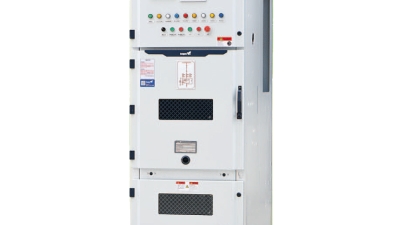
The SHRMV-YTG Medium Voltage Soft Starter Integrated Cabinet represents a significant advancement in enhancing the efficiency and reliability of large motor systems. By utilizing the state-of-the-art HPMV-YTG series high voltage solid-state soft starter, this integrated solution provides a tailored approach to soft starting medium and high-voltage motors. The heart of this technology lies in its third generation digital microprocessor control, which optimally adjusts motor startup parameters to meet varying load conditions.
One of the standout features of the SHRMV-YTG is its capability to deliver a controlled and smooth startup experience. By implementing a step-down current limiting method, it enables motors to start with minimal initial inrush current. This not only reduces the voltage drop on the power grid during startup but also mitigates the current and mechanical shock, protecting both the motor and the associated components. Additionally, the soft stop functionality allows for a gradual decrease in controllable voltage, ensuring that the motor drive system comes to a smooth halt without abrupt disruptions, thereby extending the lifespan of the system and improving overall operational reliability.
As industries move toward more efficient power solutions, the SHRMV-YTG cabinet serves as a prime example of innovation in motor control technology, fostering a more sustainable and productive work environment. Its array of control functions simplifies the complexities associated with motor management, ultimately optimizing the performance and longevity of essential machinery.
FAQS
: The two main types of soft starters are conventional soft starters and smart soft starters. Conventional soft starters provide basic functions like voltage ramp-up and current limiting, while smart soft starters offer advanced features such as built-in protection and real-time monitoring.
Conventional soft starters are cost-effective and user-friendly, making them suitable for straightforward applications without extensive features, ideal for standard motor control.
Smart soft starters offer advanced functionalities, including real-time monitoring, built-in protection, and communication capabilities, essential for complex operations where precision and efficiency are critical.
The starting current limit feature ensures that the starting current does not exceed a predetermined level, protecting both the motor and connected equipment from damage.
Thermal overload protection is important because it automatically shuts down the soft starter if the motor experiences excessive heat, preventing potential failures and extending the motor's lifespan.
When selecting a soft starter, prioritize features such as adjustable starting current limits, thermal overload protection, built-in fault diagnostics, and a user-friendly interface for easier installation and operation.
A user-friendly interface with a clear display and simple controls makes installation and operation more manageable, saving time and reducing the likelihood of user errors.
Comprehensive support and warranty options from the manufacturer are valuable as they provide assistance and protection in case any issues arise after purchase or installation.