Leave Your Message
0%

In today's rapidly evolving industrial landscape, the challenges surrounding Motor Soft Starters are becoming increasingly complex. As industries strive to meet stringent energy efficiency and environmental standards, the importance of implementing high-quality motor control solutions cannot be overstated. At Zhejiang Shuoshi Electric Technology Co., Ltd., we recognize these hurdles and are dedicated to delivering innovative, energy-saving, and low-carbon technologies. Our commitment to providing advanced Motor Soft Starters not only facilitates smoother motor operations but also aligns with our mission to offer comprehensive industrial control automation solutions. As we navigate the critical standards and expectations within the industry, this blog will delve into the various challenges and effective solutions pertinent to Motor Soft Starters, ensuring that our clients are well-equipped to enhance their operational efficiency while adhering to environmental goals.

Navigating Industry Standards for Best Motor Soft Starter Challenges

Challenges in Motor Soft Starters and Industry Standards

Motor soft starters are essential components in Industrial Applications, aiding in the smooth and controlled operation of electric motors. Despite their benefits, various challenges persist in the industry that pertain to their implementation and adherence to standards. One significant challenge is the discrepancy in performance metrics across different manufacturers. According to a2022 report by the International Electrotechnical Commission (IEC), up to 30% of motor soft starters fail to meet the latest efficiency standards during peak operation, leading to concerns about reliability and longevity.

Another major issue lies in the integration of soft starters with existing systems. A study published by the American Society of Mechanical Engineers (ASME) indicated that nearly 40% of installations encounter compatibility issues, complicating the retrofitting process. This challenge is compounded by the varying international standards that govern motor performance, such as NEMA in North America and IEC in Europe. These disparities can create obstacles for companies operating in multiple regions, making it difficult to standardize equipment and maintain regulatory compliance. As industries push for greater energy efficiency, addressing these challenges becomes crucial to harnessing the full potential of motor soft starters in an evolving marketplace.
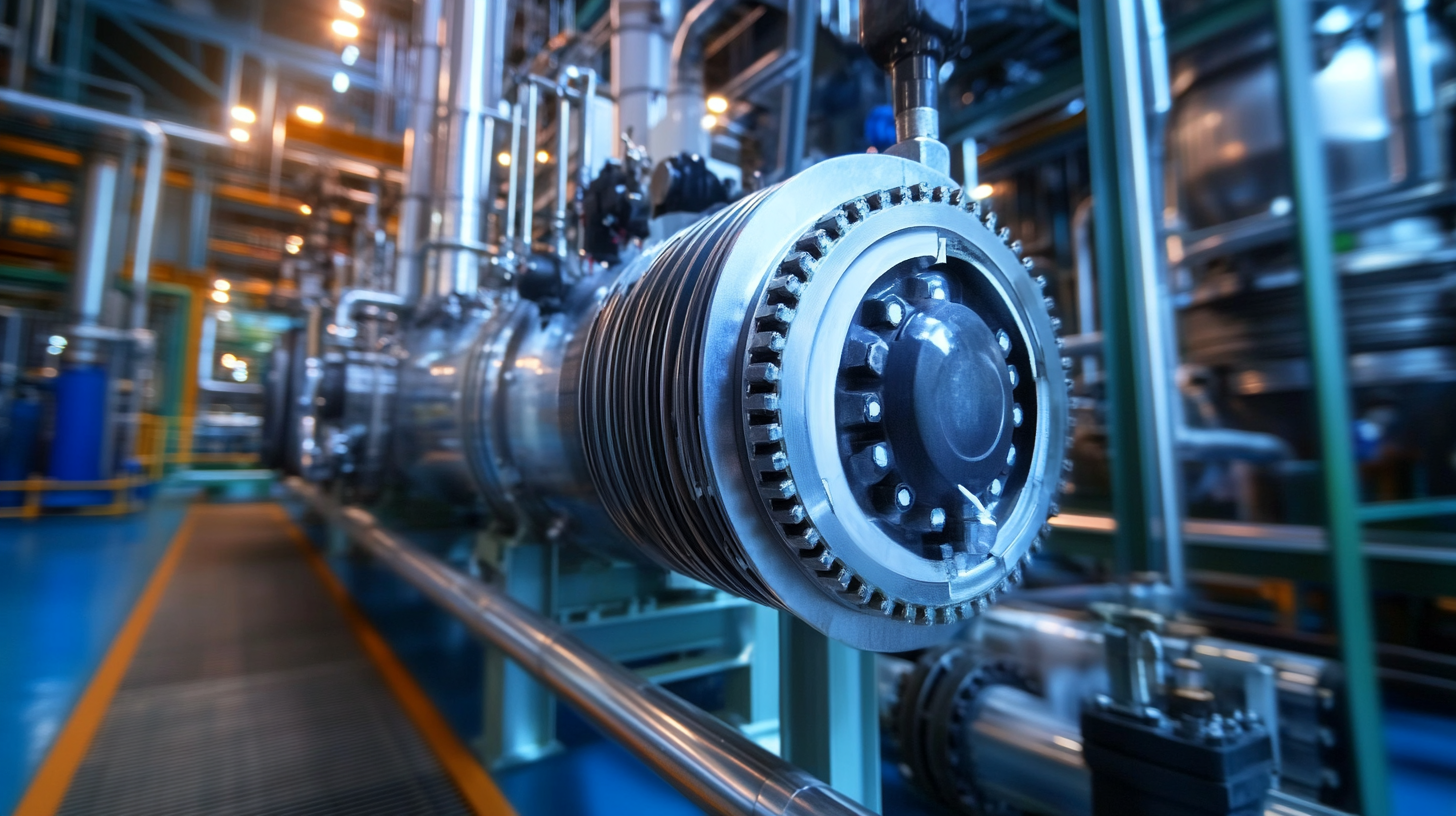
Navigating Industry Standards for Best Motor Soft Starter Challenges

Key Features of Top Chinese Manufacturing in Soft Starters

When it comes to selecting the best motor soft starters, understanding key features of leading Chinese manufacturers is essential for enhancing energy efficiency and reducing operational costs. According to a recent industry report, the global soft starter market is projected to reach $2.2 billion by 2027, with Asia-Pacific leading the charge due to the region's rapid industrialization. This growth reflects the increasing demand for innovative solutions that can mitigate energy consumption while ensuring smooth motor operation.

Zhejiang Shuoshi Electric Technology Co., Ltd. exemplifies this commitment to high-tech, environmentally friendly products. Our focus is on delivering soft starters that not only comply with stringent industry standards but also promote sustainability. Key features to consider include advanced control algorithms, overload protection, and energy-saving modes. These elements are pivotal in optimizing the performance of motor applications while aligning with global emission reduction goals.

**Tip:** Always evaluate multiple soft starter options based on their control features and energy efficiency ratings. Look for products that offer comprehensive monitoring solutions, enabling you to track performance in real-time. Additionally, consider the support services provided by the manufacturer, as having expert assistance can greatly enhance the implementation and maintenance of your energy-saving solutions.

Navigating Industry Standards for Best Motor Soft Starter Challenges - Key Features of Top Chinese Manufacturing in Soft Starters

Feature Description Importance Rating (1-5) Industry Compliance
Low Inrush Current Minimizes electrical stress on motors and networks during startup. 5 IEC 60947-4-2
Overload Protection Protects motors from overheating due to excessive load conditions. 5 IEC 60529
Adjustable Starting Torque Allows customization of torque during motor startup, optimizing performance. 4 ISO 9001
User-Friendly Interface Simplifies operation and programming for various users. 4 CE Compliance
Compact Design Reduces space requirements in control panels and facilitates installation. 3 RoHS

Global Market Trends Impacting Soft Starter Exports

As the global market dynamics shift, companies involved in the soft starter manufacturing sector must navigate various challenges. The recent growth in exports observed by some regions serves as a counterpoint to the broader economic decline, particularly highlighted by trends seen in South Africa's automotive sector. This underscores the importance of adaptability in strategies, particularly amid changing trade policies and tariffs affecting international supply chains.

In the wake of increased tariffs, particularly those imposed on China, manufacturers must reassess their global strategies. A focus on building resilient supply chains and diversifying market presence could mitigate some impacts. Companies should leverage local insights to tailor their offerings to meet both domestic and international demand effectively.

*Tips*: Consider investing in market research to understand key regions for potential growth. Forge partnerships with local distributors in target markets to enhance export efficiency. Additionally, staying abreast of any regulatory changes can provide a competitive edge in adapting to market demands swiftly.
Navigating Industry Standards for Best Motor Soft Starter Challenges

Overcoming Compliance Issues in Soft Starter Manufacturing

The manufacturing of soft starters for motors encounters numerous compliance issues that can hinder product development and market entry. One significant challenge is adhering to industry standards that ensure safety and reliability. As regulations evolve, such as the recent EU Cyber Resilience Act, manufacturers must navigate complex requirements that mandate digital products to be "secure by default." This increased scrutiny not only adds to the compliance burden but also demands a shift in manufacturing processes, requiring companies to integrate cybersecurity measures from the early design stages.

Moreover, the integration of advanced technologies like artificial intelligence can help manufacturers overcome these compliance challenges. By leveraging AI and machine learning, companies can automate compliance checks, streamline documentation, and enhance product testing processes. This technological transformation not only ensures adherence to industry regulations but also optimizes operational efficiency. As the soft starter market becomes increasingly competitive, embracing digital advancements will be essential for companies striving to meet compliance standards while also driving innovation and growth in their manufacturing practices.

Navigating Industry Standards for Best Motor Soft Starter Challenges

This bar chart illustrates the percentage of compliance issues faced by soft starter manufacturers across different industry standards. The data highlights the primary challenges within the manufacturing process.

Innovative Technologies Shaping the Future of Soft Starters

Innovative technologies are rapidly transforming the landscape of soft starters, crucial in enabling smooth operation and protection for electric motors. Recent advancements underscore a shift towards digital solutions that enhance energy efficiency, reliability, and interoperability. For instance, reports indicate that the global market for motor soft starters is projected to reach $5.4 billion by 2028, driven by increasing demand in industrial applications and growing awareness of energy costs.

Key players in the industry are incorporating cutting-edge features into soft starters, such as IoT connectivity and predictive maintenance capabilities. This digital evolution aligns with the broader trends in electricity management, often referred to as Electricity 4.0, which optimizes energy consumption and supports sustainability initiatives. Moreover, as innovation prowess strengthens across regions, particularly in Asia, companies are leveraging these technologies to refine their offerings and respond to the evolving needs of diverse sectors, including water management and automation.

The focus on sustainability and efficiency is not just about meeting regulatory standards; it's about redefining what best practices look like in motor control. As new entrants and established firms alike push the boundaries of what's possible, the future of soft starters promises to be not only innovative but also deeply integrated into the fabric of modern industrial practices. Embracing these changes is essential for navigating the challenges associated with existing industry standards.

Strategies for Navigating Regulatory Standards in the Industry

Navigating regulatory standards in the motor soft starter industry presents a multitude of challenges, particularly as environmental considerations gain prominence. Recent studies indicate that companies in the sector must adapt to tighter emissions regulations while maintaining operational efficiency. For instance, the U.K. and Switzerland are refining their regulatory frameworks to align with the global push for sustainable practices, necessitating that motor soft starter manufacturers demonstrate compliance with these evolving standards. This landscape entails a careful balancing act between innovation and adherence to regulations, requiring strategic foresight.

Additionally, the fluidity of regulatory requirements can complicate compliance efforts. Industry leaders must stay informed about the changing guidelines, such as those recently introduced across the EU, which aim for significant emissions reductions in various sectors. Organizations can leverage comprehensive monitoring and leak detection strategies to meet these requirements effectively. Furthermore, as digital asset regulations become more ambiguous, identifying best practices and maintaining regulatory alignment is crucial for businesses navigating this complex environment, similar to how firms in other sectors are strategizing to adjust to ongoing policy shifts.

FAQS

: What are motor soft starters and why are they important in industrial applications?

: Motor soft starters are essential components that assist in the smooth and controlled operation of electric motors, helping to improve efficiency and reduce operational costs in industrial settings.

What are some common challenges faced by motor soft starters in the industry?

Challenges include discrepancies in performance metrics across manufacturers, failure to meet efficiency standards, and integration issues with existing systems, which can complicate retrofitting.

How prevalent are issues with performance standards in motor soft starters?

According to a 2022 report by the International Electrotechnical Commission (IEC), up to 30% of motor soft starters fail to meet the latest efficiency standards during peak operation.

What compatibility issues are associated with installing motor soft starters?

Nearly 40% of installations encounter compatibility issues, which can hinder the retrofitting process and complicate integration with existing systems.

How do international standards affect motor soft starter implementation?

Varying standards such as NEMA in North America and IEC in Europe create obstacles for companies operating in multiple regions, making it challenging to standardize equipment and maintain regulatory compliance.

What are the key features to consider when selecting motor soft starters from Chinese manufacturers?

Important features include advanced control algorithms, overload protection, energy-saving modes, and compliance with stringent industry standards for sustainability.

What is the projected growth of the global soft starter market?

The global soft starter market is projected to reach $2.2 billion by 2027, with significant growth driven by the Asia-Pacific region's rapid industrialization.

Why is it important to evaluate multiple soft starter options?

Evaluating multiple options based on control features and energy efficiency ratings can help in selecting the most effective solution for optimizing motor performance and saving energy.

What role does manufacturer support play in the implementation of motor soft starters?

Expert assistance from manufacturers can greatly enhance the implementation and maintenance of energy-saving solutions, ensuring better performance and reliability.
Isabella

Isabella

Isabella is a dedicated marketing professional at Zhejiang Shuoshi Electric Technology Co., Ltd., where she specializes in promoting the company’s innovative energy-saving and emission-reducing high-tech products. With a deep understanding of the industrial control automation sector, Isabella not......
Previous Unlocking Global Trade Potential: Discover the Advantages of AC Soft Starters at the 137th Canton Fair