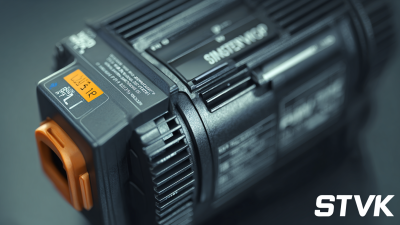
Let's face it, the way industries are changing these days is pretty mind-blowing. It's like every week there's a new innovation popping up! With that, the push for efficient and sustainable solutionshas really become urgent. A recent report shows that the global market for Ac Soft Starters is expected to grow at apretty impressive rate of over 6% each year for the next five years. Why is that? Well, there's a rising need for energy-saving techand more Motor Control applications out there. These AC Soft Starters are super important because they help reduce that initial burst of current when you switch things on, which not only helps your equipment last longer but also boostsEnergy Efficiency overall. Here at Zhejiang Shuoshi Electric Technology Co., Ltd., we’re all about bringing fresh, low-carbon tech to the table. Our goal is to align with these market trends while also providing cool industrial control automation solutions. This guide is here to help you wade through the many options in the AC Soft Starter market, making sure you pick the right one that fits your needs perfectly.
Understanding the Basics of AC Soft Starters and Their Functions
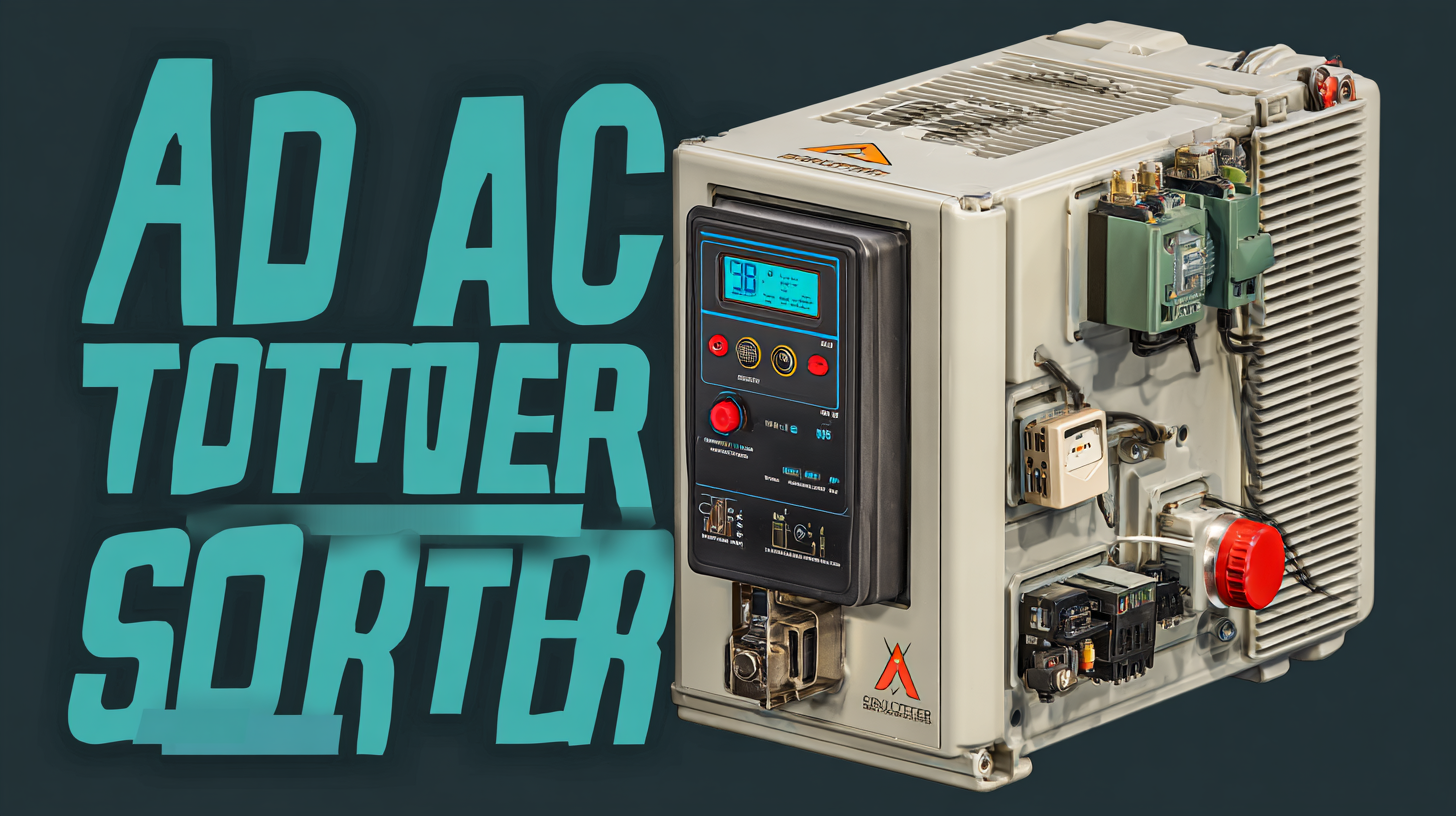
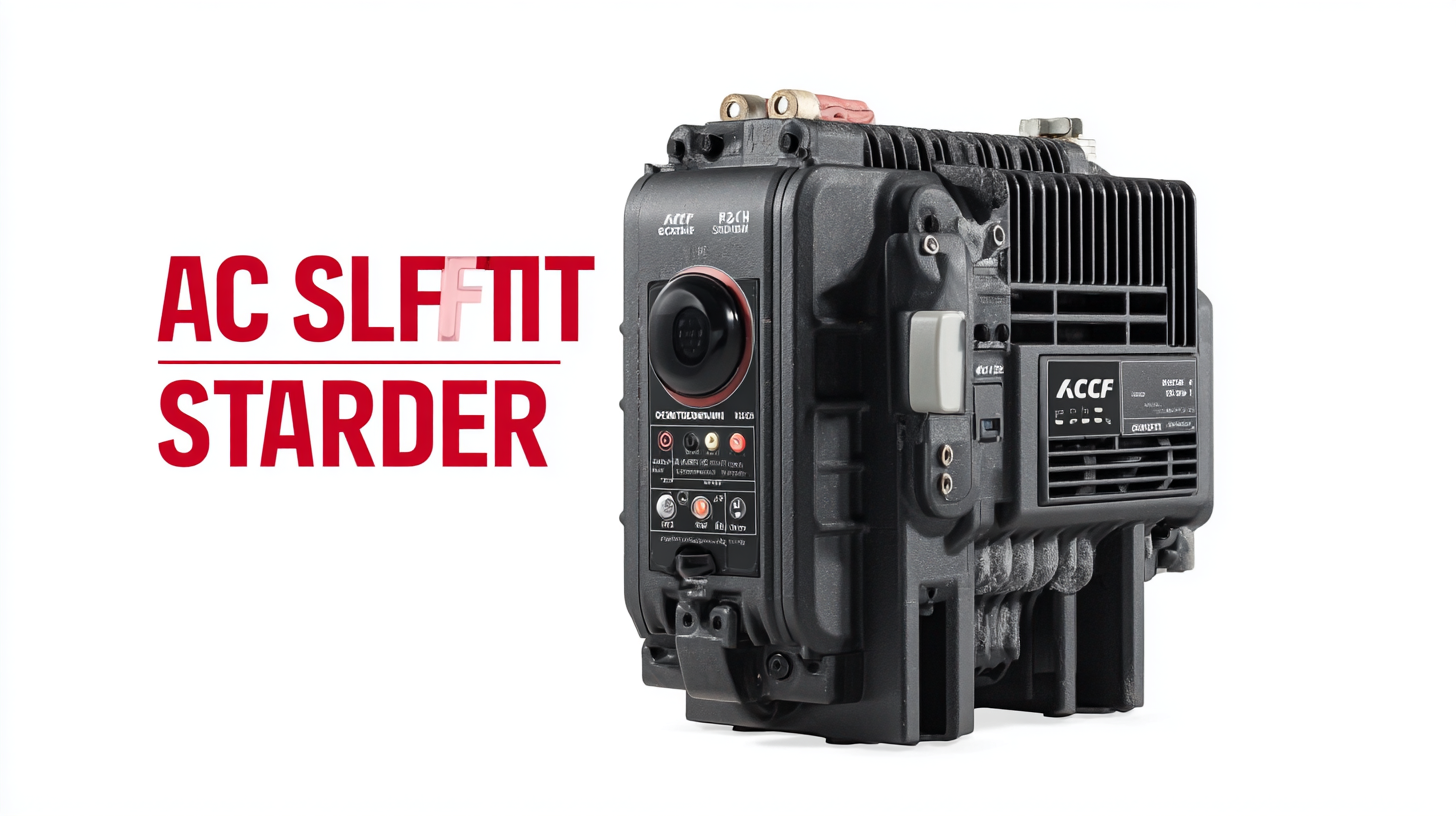
Alright, so let’s dive into what an AC soft starter is all about. If you’re looking to understand these devices, it’s pretty important to grasp their main functions and how they fit into an Electrical System. Basically, an AC soft starter helps to ease the initial startup of big electric motors by reducing the surge of current and the mechanical stress that comes along with it. What they do is manage how much voltage the motor gets, allowing for a nice, gradual increase in power instead of a sudden jolt. This is super helpful in cutting down on wear and tear for both the motor and any gear it's attached to, which is something we definitely want to avoid, right?
But there’s more! AC soft starters really shine when it comes to energy efficiency too. They do a great job of controlling the motor’s acceleration, which can actually lead to lower energy use during the startup phase. That’s not just good for the planet, but it can also save you a decent chunk of change, especially in industrial settings. Plus, a lot of the newer models come with neat features like overload protection, phase loss detection, and super user-friendly controls. So, they’re not just safer; they also make your life easier. Just keeping these basics in mind can really help you pick the right soft starter that fits your specific needs.
The Ultimate Guide to Choosing the Best AC Soft Starter for Your Needs
| Feature | Description | Benefits |
| Soft Start Function | Gradually increases voltage to the motor, reducing initial torque. | Lowers mechanical stress, extending equipment life. |
| Current Limiting | Restricts inrush current to protect electrical components. | Prevents tripping of circuit breakers and protects wiring. |
| Voltage Control | Adjusts voltage levels during operation to maintain efficiency. | Enhances performance and energy savings. |
| Overload Protection | Monitors motor load and disconnects if overload occurs. | Prevents damage to the motor and reduces downtime. |
| User-Friendly Interface | Most models include LCD displays for easy monitoring and control. | Simplifies setup and operation. |
Key Benefits of Using AC Soft Starters in Your Applications
So, let’s chat about AC soft starters for a sec. They’re really crucial in a bunch of different scenarios and come with some serious perks that can boost efficiency and help machinery last longer. One of the standout benefits? Well, they really shine when it comes to reducing that pesky inrush current when a motor starts up. This not only keeps your electrical components safe from any nasty damage but also cuts down on voltage drops in the supply system. And hey, voltage drops can really throw a wrench in operational consistency, so maintaining that balance is super important. Because of all this, industries have the chance to see way better reliability, especially when they’re dealing with heavy-duty applications.
Now, when you're on the hunt for just the right AC soft starter, make sure to think about the power rating and the specific starting needs of your motor. Not all starters are made the same, you know? Finding one that actually matches your motor's specs can really make a huge difference. Plus, it’s wise to look for soft starters equipped with built-in protective features like thermal overload protection and current limiting. These can ramp up not just the safety but also the overall performance of your setup.
Oh, and here’s a little tip: do some solid research on how to install and configure the soft starter you've picked out. Getting that setup right is key for squeezing as much benefit as possible from it. And don’t forget to check out the software options available for monitoring and controlling the starter too. Having real-time adjustments can help optimize performance and save on energy, which is always a win!
Factors to Consider When Selecting an AC Soft Starter
When selecting an AC soft starter, several key factors come into play to ensure optimal performance and efficiency. One of the primary considerations is the motor size and type. According to industry reports from the National Electrical Manufacturers Association (NEMA), choosing a soft starter that matches the motor's rated power is critical; mismatches can lead to inadequate torque and potential motor damage. Typically, a soft starter should be rated at 1.5 to 2 times the motor's full-load current to accommodate inrush currents that can reach up to six times the normal operating current during startup.
Another essential factor is the application environment. For instance, soft starters in harsh industrial settings should be ruggedized and resistant to dust and moisture, as indicated by a 2022 report from the International Electrotechnical Commission (IEC) which states that approximately 30% of motor failures are due to environmental factors. Additionally, compatibility with existing control systems can not be overlooked; choosing a soft starter with programmable settings allows for seamless integration and fine-tuning of startup parameters, which can enhance energy efficiency by up to 40%, as suggested by the Electric Power Research Institute (EPRI). Thus, careful evaluation of these factors will lead to the selection of the most suitable AC soft starter for your needs.
Comparing Different Types of AC Soft Starters on the Market
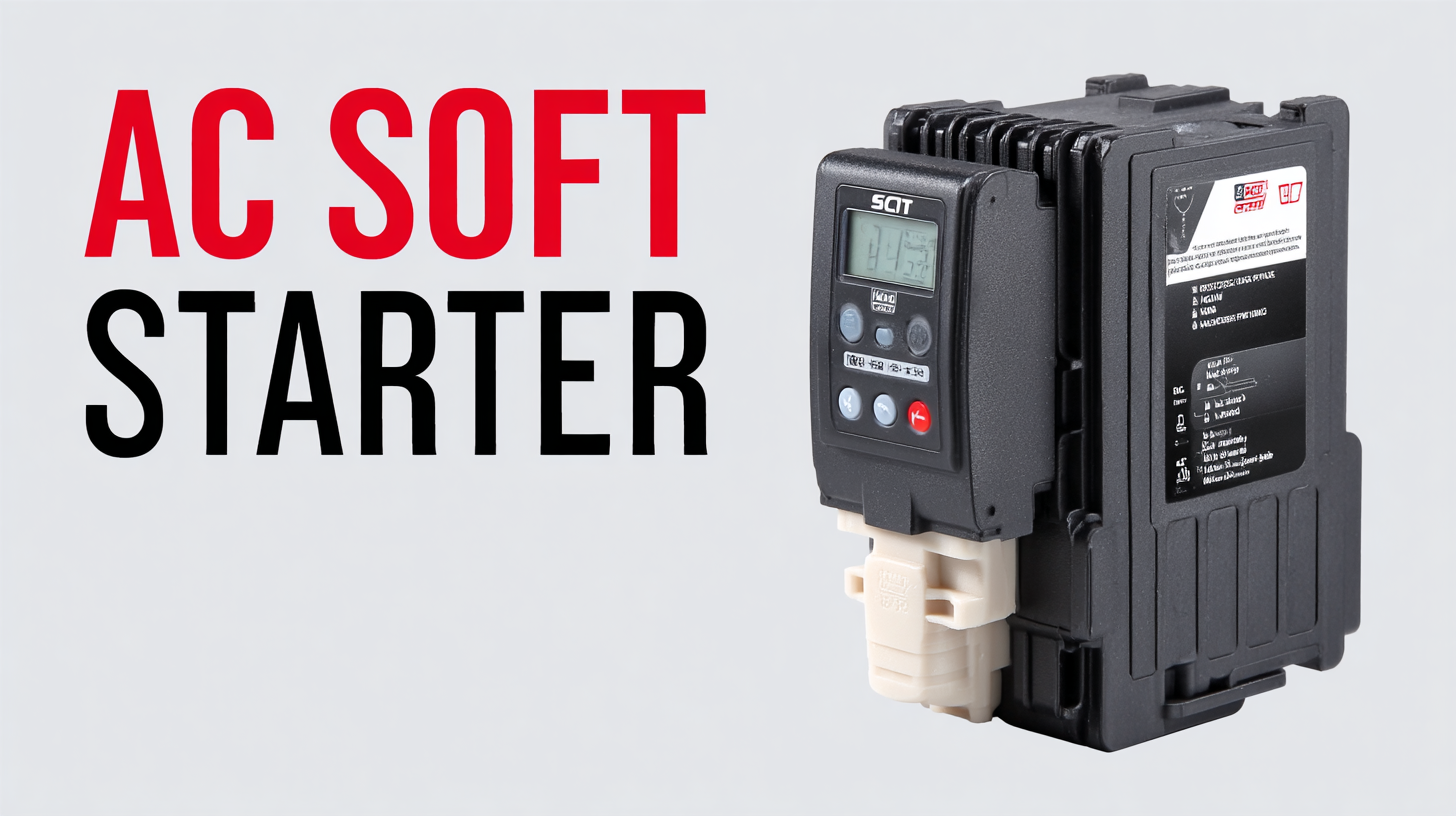 So, when you're picking an AC soft starter, it's super important to know about the different types out there. These soft starters are designed to handle that annoying inrush current when motors start up. Not only do they help protect your motor, but they also make your whole system run a lot more efficiently. You'll typically come across three main types: star-delta starters, current-limiting starters, and digital soft starters. Each one has its perks depending on what you're using it for.
Now, when you're weighing your options, don’t forget to look at the technical specs of your AC motor and what kind of load it’s going to be dealing with. For instance, if you’ve got a big motor that's working with heavy loads, star-delta starters usually fit the bill pretty well. On the flip side, if you're dealing with smaller motors, you might want a current-limiting starter to keep them safe from overloads. And for those who like a bit more control, digital soft starters are awesome because they let you program the start and stop profiles exactly how you want them.
A couple of tips: Always check what the starting torque requirements are for your motor before you settle on a soft starter. Also, think about the environment where you'll install it; if it’s a tough setting, look for models that have better protection ratings. And hey, it might be a good idea to chat with a pro to really nail down the electrical requirements and see what's compatible with your current setup. This way, you’ll be set for optimal performance and a long lifespan!
Common Misconceptions About AC Soft Starters Explained
When it comes to AC soft starters, there are several common misconceptions that can cloud the decision-making process. Many people believe that soft starters are only meant for large industrial applications and are unnecessary for smaller systems. However, this is far from the truth. Soft starters can be beneficial in various contexts, including residential and commercial settings, helping to protect motors from excessive voltage and reducing mechanical stress during startup. This not only enhances the longevity of your equipment but also contributes to energy savings, aligning perfectly with Zhejiang Shuoshi Electric Technology Co., Ltd.'s commitment to environmentally friendly solutions.
Another misconception is that soft starters are complex to integrate into existing systems. In reality, today's AC soft starters are designed for easy installation and compatibility with various types of motors, thus simplifying the automation process. By employing high-tech products from reputable manufacturers like Zhejiang Shuoshi, customers can enjoy seamless industrial control automation solutions. This ensures optimal performance while significantly cutting down on emissions, making it a win-win for both the environment and operational efficiency. Being informed about these misconceptions allows you to make a more educated choice when selecting the best soft starter for your specific needs.
Maintenance Tips to Enhance the Lifespan of Your AC Soft Starter
If you want your AC soft starter to keep running smoothly and last a long time, regular maintenance is super important. First off, make sure to keep it clean and free of dust. Seriously, that dust can pile up and lead to overheating, which is no good for efficiency. Grab a soft brush or a vacuum with a brush attachment, and gently clear the dust off the exterior and around the ventilation spots. This little chore can really help improve airflow and cooling, so your starter can work like a champ.
Another tip? Don’t forget to check the electrical connections every now and then for any signs of wear or corrosion. If those connections are loose or rusted, you might see voltage drops and more heat, which could damage your soft starter in the long run. Ensure everything is snug but don’t go overboard with tightening; you don’t want to break anything! Oh, and while you’re at it, take a moment to inspect and test the operational parameters, like voltage and current levels. Spotting any oddities early can save you some hassle later. By sticking to these maintenance tips, you'll help your AC soft starter live longer and keep your HVAC system performing at its best.
Enhancing Energy Efficiency: Insights from Industry Reports on Medium and High Voltage AC Motor Solid-State Soft Starter Cabinets
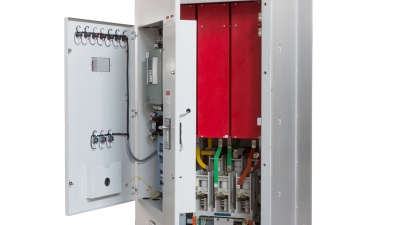
In today's industrial landscape, enhancing energy efficiency is critical to reducing operational costs and minimizing environmental impact. Insights from recent industry reports highlight the significance of advanced technologies in achieving these goals, particularly regarding medium and high voltage AC motor systems. One notable advancement is the SHMi-DN series of solid-state soft starter cabinets, designed specifically to cater to the demands of large motors used in various industrial applications. Leveraging state-of-the-art third-generation digit microprocessor control technology, these devices exemplify the fusion of modern power electronics with intelligent control systems.
The SHMi-DN series offers a sophisticated array of control functions that adapt to varying load conditions, ensuring optimal performance during the starting process. By employing the best step-down current-limiting soft starting mode, these soft starters minimize the inrush current, mitigating voltage drops in the power grid while also reducing mechanical stress on the motor. The ability to control the starting current not only enhances the overall efficiency of the motor drive system but also extends the lifespan of critical equipment, contributing to a stable operating environment. Additionally, when soft stopping is necessary, the SHMi-DN series provides a smoothly decreasing voltage, facilitating controlled and safe stops that prevent sudden impacts.
As industries strive for greater energy efficiency, the integration of innovative solutions like the SHMi-DN series soft starter cabinets embodies a proactive approach to modern electrical engineering challenges. By adopting such technologies, companies can significantly improve their energy management strategies while ensuring sustainable operations that align with contemporary environmental standards.
FAQS
AC soft starters manage the acceleration of the motor, lowering energy consumption during start-up, which can lead to significant cost savings in industrial applications.
Many modern AC soft starters come equipped with features such as overload protection, phase loss detection, and user-friendly control interfaces.
Key factors include the motor size and type, application environment, and compatibility with existing control systems to ensure optimal performance and efficiency.
A soft starter should be rated at 1.5 to 2 times the motor's full-load current to handle inrush currents that can reach up to six times the normal operating current during startup.
Common types include star-delta starters, current limiting starters, and digital soft starters, each offering distinct advantages depending on the application and system design.
Star-delta starters are ideal for larger motors running heavy loads due to their effective reduction of starting current.
Soft starters used in harsh industrial settings should be ruggedized and resistant to dust and moisture to prevent motor failures caused by environmental factors.
Checking the starting torque requirements ensures that the selected soft starter can adequately meet the motor's needs for optimal performance.
Yes, consulting with a professional can help assess electrical requirements and ensure compatibility with current setups for improved performance and longevity.