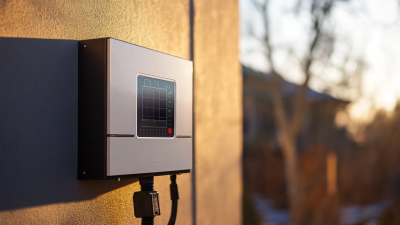
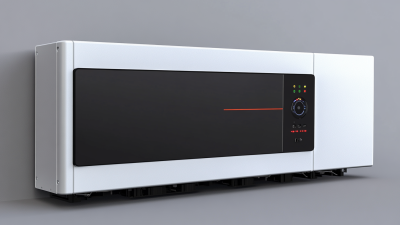
You know, in this super fast-paced world of Industrial Automation, motor inverters are really essential for boostingEnergy Efficiency and moving us towards more sustainable practices. A report by MarketsandMarkets even says that the global inverter market is expected to hit a whopping USD 28.6 billion by 2025! And there’s definitely a big focus on energy-saving tech.
At Zhejiang Shuoshi Electric Technology Co., Ltd., we totally get how important it is to integrate high-tech solutions that not only cut down emissions but also fit into a low-carbon economy. We’re all about providing state-of-the-art motor inverter products and comprehensive industrial control automation solutions. These tools help businesses streamline their operations while also doing their part for our planet. So, in this blog, we're excited to share seven hidden features of top-notch motor inverters that could really transform your industrial processes and keep you ahead of the competition!
Unveiling the Efficiency: Understanding the Power Factor in Motor Inverters
When it comes to motor inverters, power factor is super important. It really determines how well the active power—basically the energy that gets stuff done—works in relation to the reactive power, which helps keep the electric and magnetic fields in check. A high power factor? That means better efficiency! And who doesn't want lower bills and less wasted energy? That's why tech like Gallium Nitride (GaN) semiconductors are a game changer—they offer faster switching speeds and better reliability, which is a big deal for tough applications like motor drives.
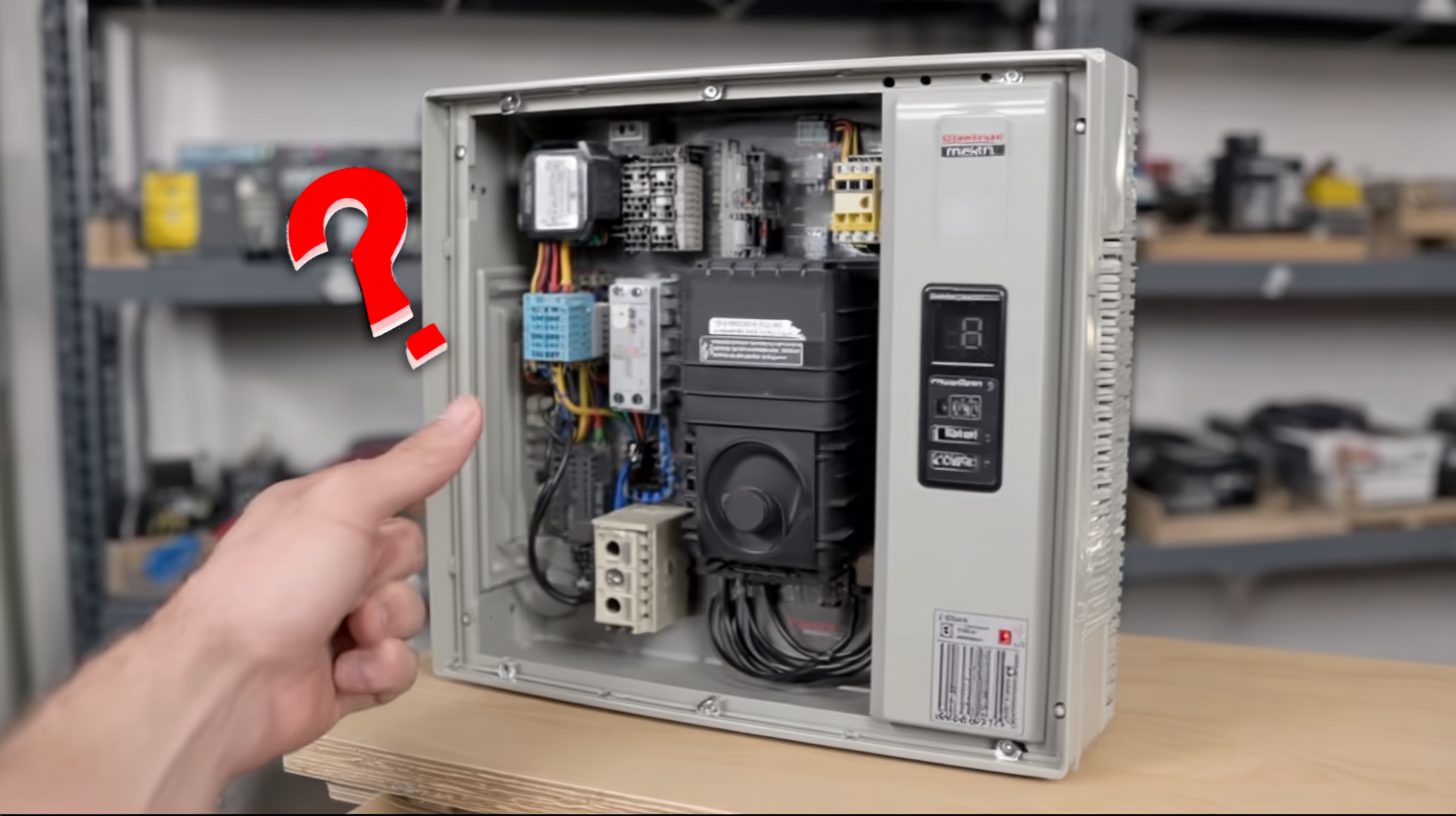
Integrating GaN into motor inverter designs leads to some serious improvements in how we manage energy. Thanks to their wide bandgap properties, GaN semiconductors can handle higher voltages while losing less heat. This is especially cool for electric vehicles since every bit of efficiency can really impact things like range and how long it takes to charge. By constantly fine-tuning the design of motor inverters and really focusing on optimizing power factor, manufacturers are boosting the effectiveness of electric propulsion systems, whether it’s for heavy-duty machinery or everyday gadgets.
The Role of Advanced Cooling Systems in Enhancing Inverter Longevity
When it comes to motor inverters, having a solid cooling system is super important for keeping these devices running smoothly and lasting longer. You see, these systems do more than just cool things down; they actually help the inverters work at their best. By keeping temperatures in check, effective cooling reduces wear and tear on the parts, which means fewer chances of breakdowns and a longer life for your inverter. If you get a handle on this, it can really help with maintaining and operating your inverter, whether you’re using it for industrial purposes or just for personal use.
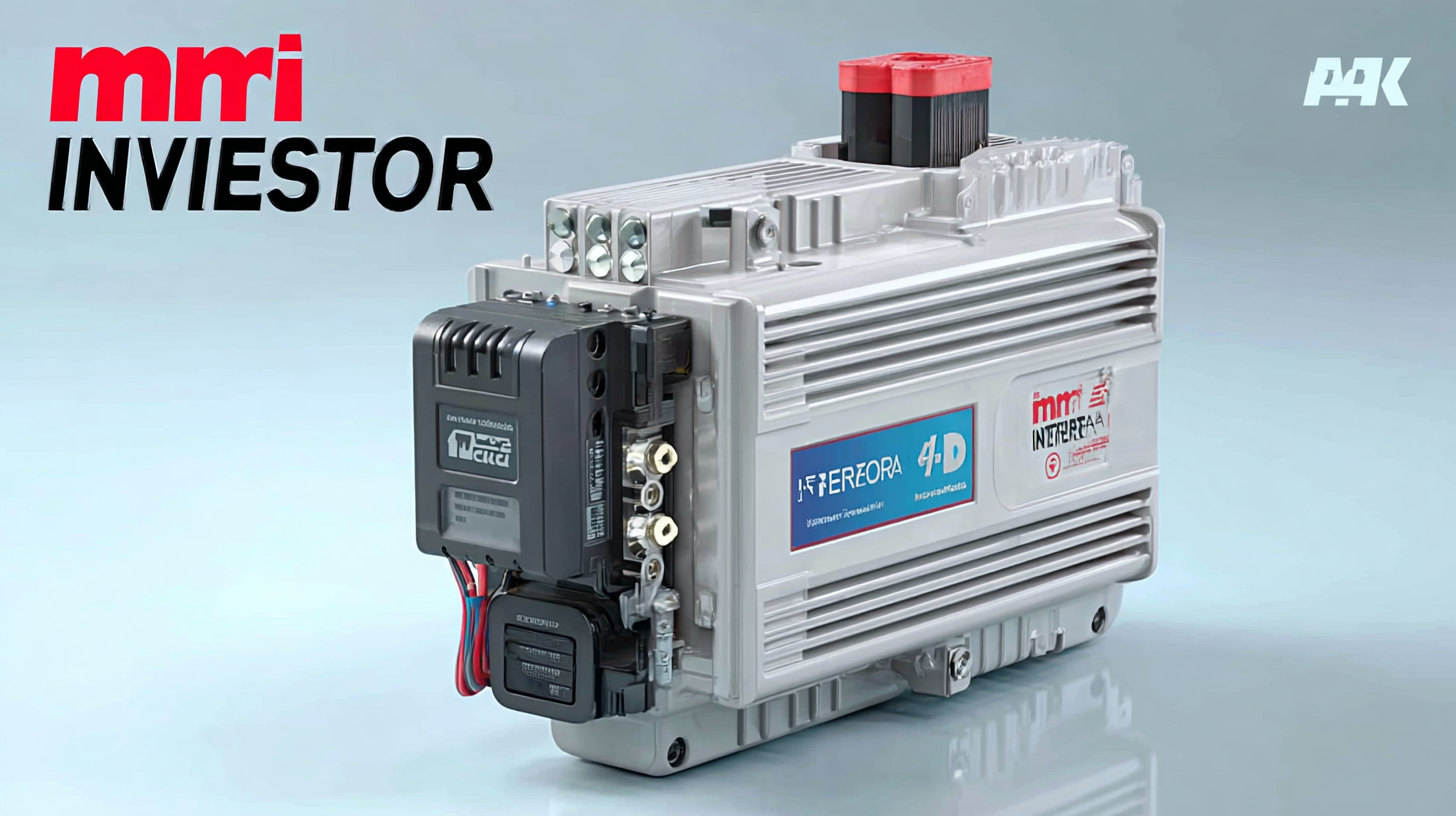
So, how can you keep your inverter’s cooling system in tip-top shape? First things first, make sure those cooling fins are clean and not blocked by dirt or other stuff. Trust me, a little bit of dust can really mess with heat dissipation and lead to some overheating drama. It’s a good idea to regularly check and change any cooling fluids too – this keeps everything running smoothly. Oh, and don’t forget to monitor the ambient temperature! It can be a game-changer in spotting when outside factors might be causing performance issues.
Another thing to think about is the quality of materials used in the cooling system. Going for high-quality, thermally conductive materials can really boost heat transfer rates, which is great for efficiency. So, when you’re setting up or upgrading your inverter, always look for options that come with advanced cooling tech – it can really make a big difference in how reliable and performant your system is over time.
Smart Diagnostics: How Real-time Monitoring Transforms Maintenance Practices
You know, smart diagnostics are really shaking things up in the motor inverter industry. They're making it possible to monitor things in real-time, which boosts efficiency and cuts down on unexpected downtime. A recent report from Research and Markets actually predicts that the global motor inverter market is gonna grow by about 7% a year from 2023 to 2028, thanks mostly to cool advancements in IoT and predictive maintenance tech. By using smart diagnostics, companies can tap into data analytics to see potential equipment failures coming—so they can tackle those issues before they hit and save some serious cash.
With real-time monitoring, operators can keep an eye on vital performance metrics like temperature, voltage, and current usage. This is super important for spotting any weird anomalies. Take a look at this study from McKinsey & Company; it shows that predictive maintenance could trim maintenance costs by as much as 30% and even cut machinery downtime by 50%. Not only does this extend the life of motor inverters, but it also ramps up overall productivity, giving companies a nice edge over the competition.
The Impact of Harmonic Distortion on Performance and Energy Savings
You know, harmonic distortion really matters when it comes to how well motor inverters perform and how efficiently they use energy. If the levels of harmonics get too high, it can create all sorts of problems—like inefficiencies in power delivery, overheating, and even system malfunctions. But here’s the good news: by using technologies that cut down on these distortions—like Low Harmonics drive functions—motor inverters can seriously boost grid quality and help us save on energy costs. Plus, when we implement Variable Frequency Drives that have this tech, we end up with cleaner power output, which is a win-win for both users and the energy grid itself.
And that’s not all! We’re seeing some amazing advancements with things like adaptive Digital Twin models and Multi-Level Inverter (MLI) technology, which are really shaking up how we think about energy efficiency. These MLIs tackle energy quality issues while also ramping up the overall efficiency of systems, especially in renewable energy sectors. You might've heard of some recent innovations like GaN HEMTs-based LED drivers—they really showcase the push for high power factors and low total harmonic distortion in today’s electrical designs. By focusing on minimizing the harmonic impact, we’re not just making energy delivery smoother; we’re also keeping up with the growing demand for sustainable energy solutions in various industries.
7 Hidden Features of the Best Motor Inverter You Didn't Know About - The Impact of Harmonic Distortion on Performance and Energy Savings
| Feature | Description | Impact on Performance | Energy Savings (%) |
| Advanced Cooling System | Maintains optimal temperature to prevent overheating. | Enhances reliability and extends lifespan. | 15% |
| Adaptive Control Algorithms | Automatically adjusts power output for varying loads. | Optimizes motor performance under different conditions. | 20% |
| Integrated Harmonic Filter | Reduces harmonic distortion in Power Supply. | Improves overall efficiency and reduces losses. | 25% |
| Smart Diagnostics | Provides real-time monitoring and fault detection. | Prevents downtime and optimizes maintenance schedules. | 10% |
| Eco-Friendly Operation Mode | Reduces energy consumption during low-demand periods. | Minimizes environmental impact. | 30% |
| User-Friendly Interface | Simplifies setup and monitoring through intuitive controls. | Reduces training time and operational errors. | 5% |
| Robust Protection Features | Includes overload, short-circuit, and thermal protection. | Ensures safety and reliability during operation. | 5% |
Exploring Communication Protocols: Integrating Inverters into Smart Grids
You know, in today’s fast-paced energy world, communication protocols are super important for making sure motor inverters fit right into smart grids. I came across this report from the International Energy Agency (IEA) that says smart grids could actually slash energy consumption by 10 to 15% thanks to their efficiency and automation. Those motor inverters—loaded with cool communication tech like Modbus, CANopen, and Ethernet/IP—make it possible to share data in real-time and keep things running smoothly.
When we bring motor inverters into the mix of smart grids, we’re not just talking better efficiency; we’re also boosting grid stability, which is a big deal. There’s this recent study from the Electric Power Research Institute (EPRI) that claims smart grid tech could save the U.S. economy a whopping $200 billion over the next ten years! By leveraging these communication protocols, inverter systems can adjust on the fly as grid conditions change—this really helps with smoothly integrating renewable energy sources. It’s all about keeping the energy flow just right and making sure we have reliable electricity, especially in a setting with distributed generation. Pretty fascinating stuff, right?
Breaking Down Inverter Efficiency Ratings: What You Need to Know
When we talk about motor inverters, it's super important to get a grip on efficiency ratings if you want to boost performance and save on energy costs. Typically, we measure an inverter's efficiency using this standard from the European Union known as IEC 60034-30. It groups inverters into classes, starting from IE1, which is the least efficient, all the way up to IE5, the best of the best. A recent report from the International Energy Agency (IEA) even mentioned that by switching to high-efficiency inverters, you could snag energy savings of around 5% to 15%, especially in industrial setups. Pretty cool, right?
Now, when you're on the hunt for the right inverter, don't forget to look at the overall efficiency rating. This basically tells you how well an inverter turns DC power into AC power. If you see a rating above 95%, that's usually considered pretty efficient! Just a heads-up: keep an eye on how the inverter performs under different loads. It might shine under perfect conditions but could struggle when things aren't optimal. So, it's smart to choose products that maintain high efficiency, even if the load changes.
Another thing to think about is how well the inverter handles heat. If it overheats, that can really knock its efficiency and even lead to some major failures down the line. Regular maintenance and good cooling practices can help improve both the life and efficiency of your inverter. You might want to use infrared thermography to keep an eye on the temperature—it’s a handy tool! Some studies showed that better maintenance could save you anywhere from 2% to 7% in energy costs. So, picking an inverter with a solid efficiency rating isn’t just about boosting your motor's performance; it’s also a big step towards running a more sustainable operation.
FAQS
: Smart diagnostics are advanced technologies that enable real-time monitoring of motor inverters, enhancing efficiency and significantly reducing downtime through data analytics.
Real-time monitoring allows operators to track crucial performance metrics such as temperature, voltage, and current usage, which helps identify anomalies and predict equipment failures before they occur.
Predictive maintenance can reduce maintenance costs by up to 30% and decrease machinery downtime by as much as 50%, significantly increasing operational productivity.
Understanding inverter efficiency ratings is crucial for optimizing performance and reducing energy costs, as higher efficiency ratings indicate better power conversion from DC to AC.
Inverter efficiency is classified according to the IEC 60034-30 standard, which categorizes inverters from IE1 (lowest) to IE5 (highest).
When selecting a motor inverter, consider its overall efficiency rating (preferably above 95%), load performance, and thermal performance to ensure it operates efficiently under various conditions.
Overheating can lead to efficiency losses and potential failures in inverters, making regular maintenance and adequate cooling essential for longevity and optimal performance.
Switching to high-efficiency inverters can lead to energy savings of up to 5-15% in industrial applications.
Infrared thermography can be utilized to regularly monitor the temperature of the inverter, helping to identify overheating issues early on.
Choosing inverters with strong efficiency ratings not only enhances motor performance but also contributes to energy savings and a more sustainable operational approach.