Leave Your Message
- Phone
- E-mail
- Whatsapp

- WeChat
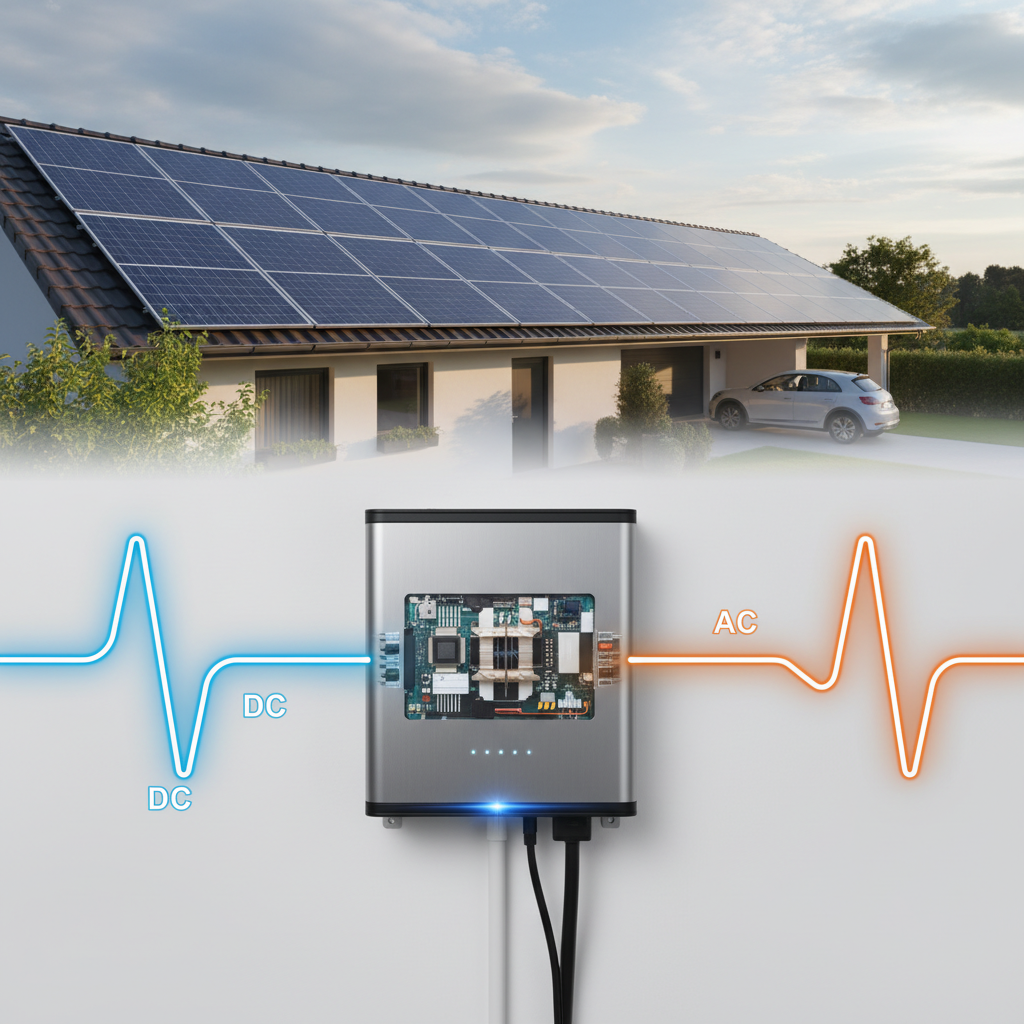
As the world leans more and more into sustainable energy, the importance of a Solar Inverter is really starting to shine. It’s kind of like the heartbeat of any solar power setup. I remember Dr. Emily Summers, a top expert in renewable energy tech, mentioning that‘the solar inverter is basically the core of any Solar System, turning the direct current from panels into the alternating current we use at home or business.’ Honestly, that little piece plays such a huge role—not only does it make solar energy more accessible, but it also helps us shift toward a greener, low-carbon economy.
Here at Zhejiang Shuoshi Electric Technology Co., Ltd., we're pretty passionate about pushing innovative solutions that help save energy and cut down emissions. Building high-tech stuff that supports the move to cleaner energy is really important to us. Our goal is to offer all-encompassing automation solutions so our customers can get the most out of renewable energy sources. It’s exciting to see how ongoing advancements in solar inverter tech are unlocking the full potential of solar power. Honestly, it’s a pretty fascinating field — good for businesses, good for consumers, and good for the planet too.
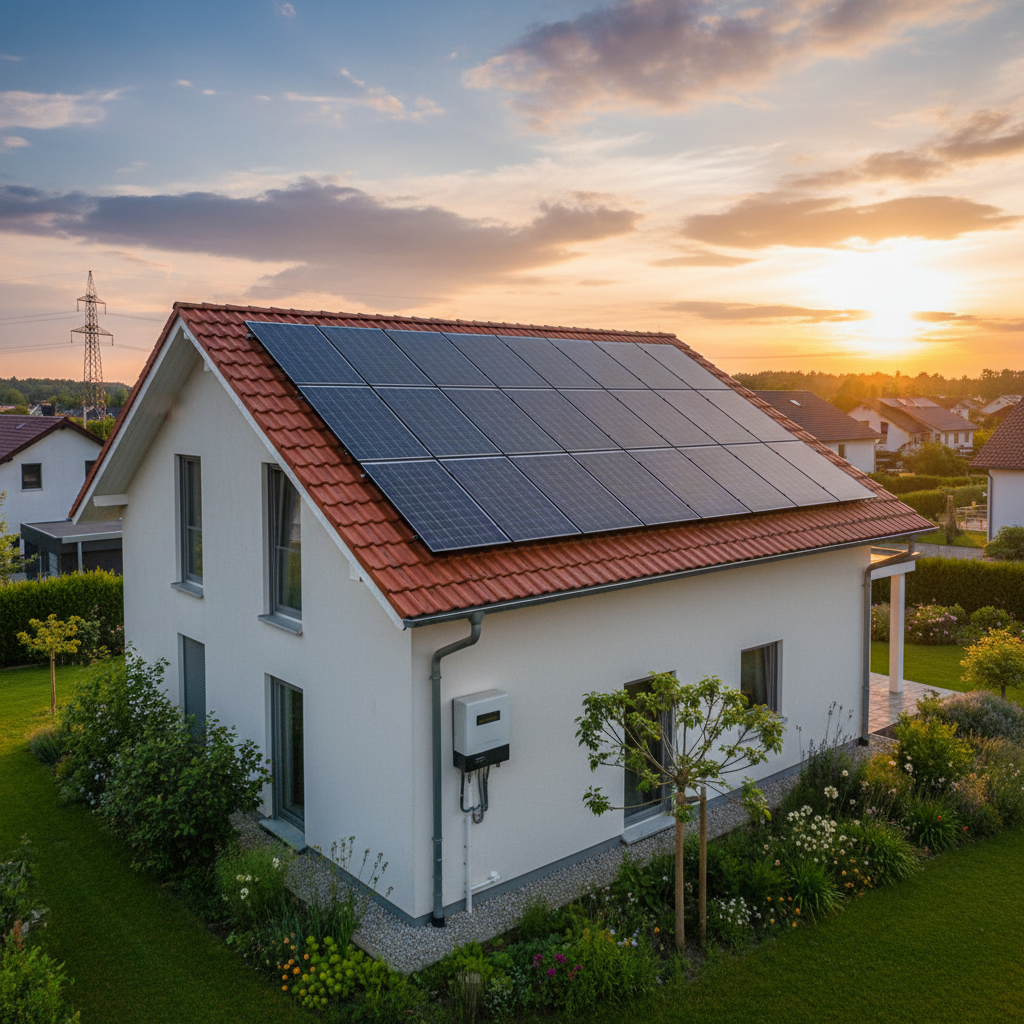
A solar inverter is a crucial component in solar energy systems, transforming direct current (DC) generated by Solar Panels into alternating current (AC) usable by home appliances. As the demand for renewable energy sources increases, the solar inverter market is projected to reach $10.62 billion by 2026, growing at a CAGR of approximately 20.4% from 2021 (Mordor Intelligence). This upsurge is driven by the rising adoption of solar energy worldwide, which is further supported by favorable government policies and decreasing costs of solar technology.
There are several types of solar inverters available, each serving specific needs. String inverters are the most common type, suitable for residential installations, while microinverters optimize the output of individual solar panels, making them ideal for installations where shading or panel orientation varies. According to a report by the International Energy Agency, solar power accounted for approximately 3% of worldwide electricity generation in 2019, a figure expected to rise significantly as Inverter Technology continues to improve and efficiencies increase. These advancements not only enhance energy conversion rates but also provide crucial monitoring capabilities, allowing users to track their solar energy production efficiently.
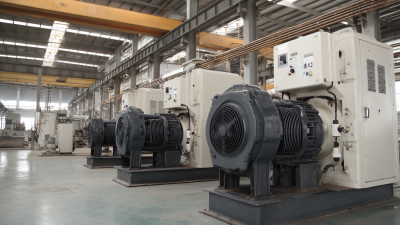
The SHBF700 enhanced general-purpose inverter stands out as a robust solution for various industrial applications, effectively maximizing efficiency and versatility in motor control. By employing advanced control algorithms, this high-performance device offers precise speed and torque regulation, ensuring the motor operates stably across diverse load conditions. With multiple control modes available, including V/F control, vector control, and servo control, users can select the most suitable method for their specific operational needs, significantly enhancing productivity.
Moreover, the SHBF700's powerful communication capabilities simplify integration within existing systems. Supporting various communication protocols such as Modbus and CANopen, it allows for seamless connectivity with host computers and other devices. This ensures that users can monitor and control their processes efficiently. Additionally, the inverter features a user-friendly interface along with multiple protective functions, including overload, short circuit, and overheating protections, which collectively enhance the safety and reliability of operations. As such, the SHBF700 is not just a motor control device; it is a vital part of a smarter, more efficient industrial workspace.
: The main types of solar inverters are string inverters, microinverters, and power optimizers.
String inverters connect a series of solar panels in a string. They are cost-effective for larger installations and are the most commonly used type.
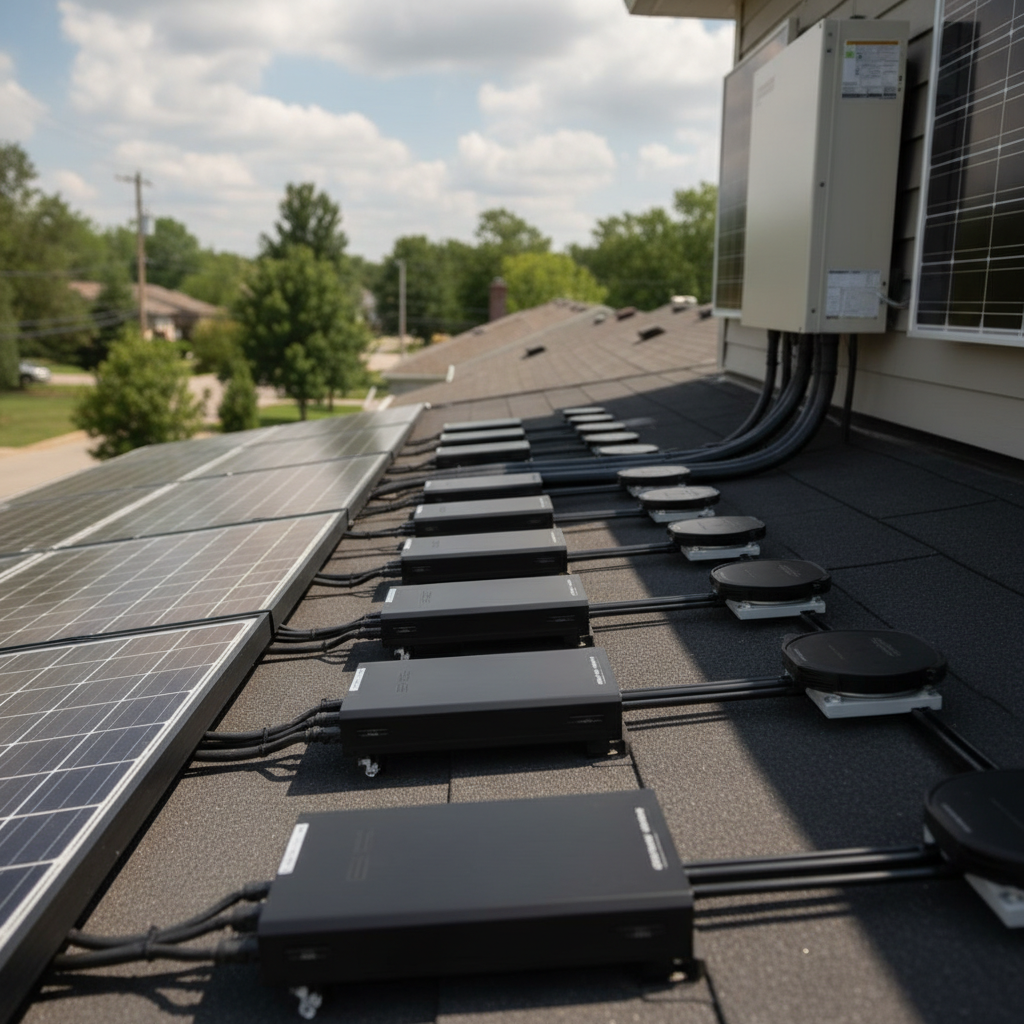
Microinverters are installed on each individual panel, allowing for maximum efficiency as they operate independently. They are ideal for rooftops that experience varying amounts of sunlight.
Power optimizers serve as a hybrid solution, enhancing the performance of each panel between the solar panels and the string inverter without requiring a fully independent microinverter system.
The inverter's efficiency rating is crucial because even a small increase in efficiency can lead to significantly more energy production over the system's lifetime.
A quality solar inverter typically comes with a warranty of 5 to 10 years, with some premium models offering warranties extending up to 25 years.
String inverters can suffer from reduced efficiency if one panel is shaded or malfunctioning since all the panels in the string affect the overall output.
Key factors to consider include the type of inverter, efficiency rating, warranty period, and reliability ratings to ensure it meets energy needs and offers a good return on investment.
Microinverters are gaining popularity due to their ability to maximize energy production in shaded conditions and facilitate easier monitoring of individual panel performance.
String inverters account for about 85% of the solar inverter market due to their cost-effectiveness and simplicity.
A solar inverter is a crucial component in solar energy systems, converting direct current (DC) generated by solar panels into alternating current (AC) that can be used by household appliances. Understanding the different types of solar inverters, such as string inverters, microinverters, and central inverters, is essential for optimizing energy efficiency and maximizing the benefits of solar energy. The advantages of using solar inverters include improved energy management, reduced electricity bills, and enhanced system reliability.
In daily life, solar inverters play a vital role, from powering homes to supporting commercial applications. As the technology evolves, future trends indicate that solar inverters will become increasingly advanced, with features like smart monitoring and integration with energy storage systems expected by 2025. For companies like Zhejiang Shuoshi Electric Technology Co., Ltd., which is dedicated to delivering energy-saving and low-carbon solutions, selecting the right solar inverter is key to providing high-quality industrial control automation and supporting sustainable practices.