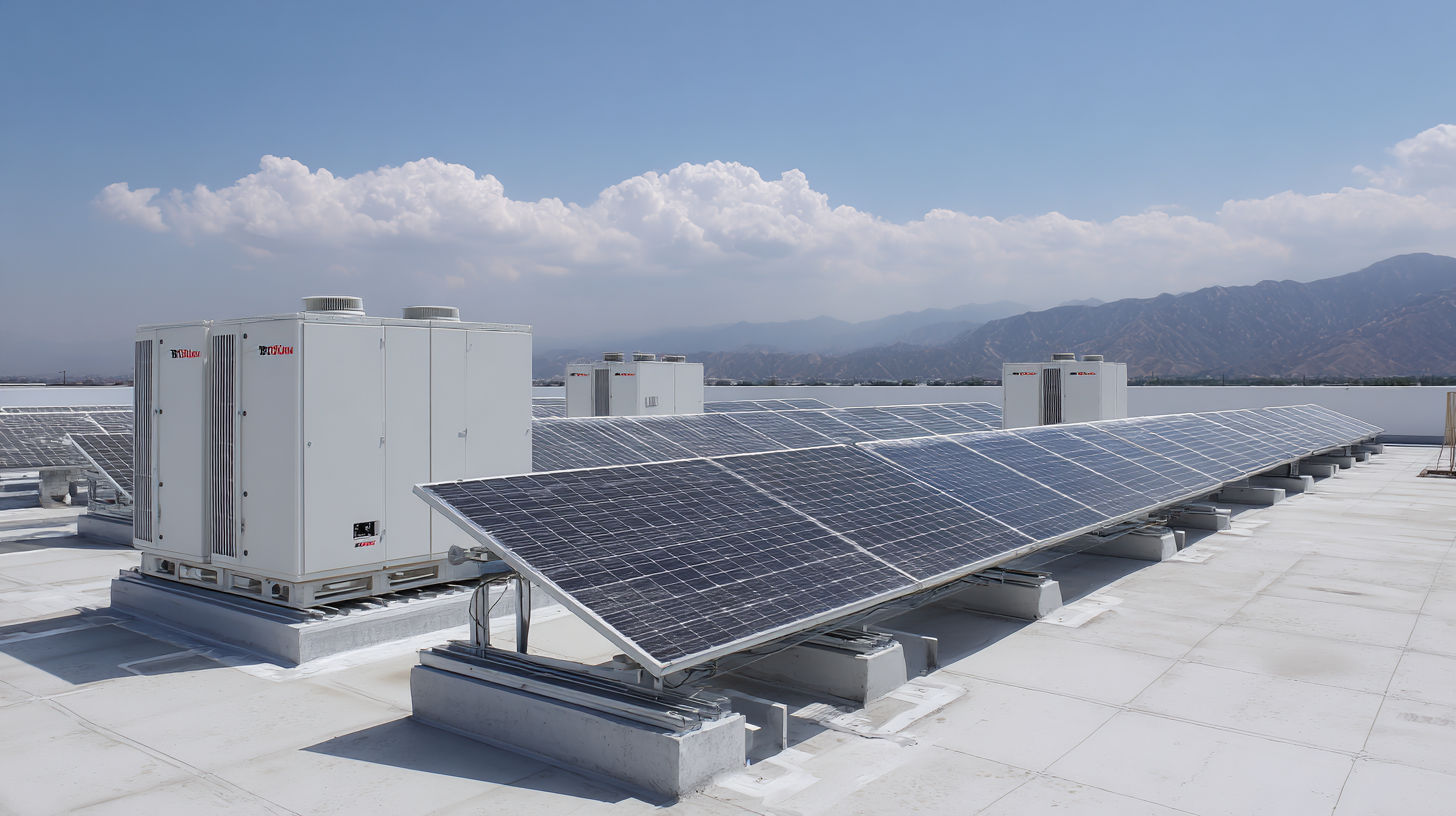
Switching over to a sustainable energy future is really gaining momentum lately, thanks to some pretty innovative tech. And one of the key players in this shift? Solar Inverters. As the global solar power capacity hits over 700 gigawatts — which is growing at about 26% every year — we've seen a huge jump in demand for reliable, efficient solar inverters. These little guys do more than just turn the direct current from panels into usable alternating current for homes and factories. They also help squeeze out more energy, making sure everything runs smoothly and the grid stays stable.
Here at Zhejiang Shuoshi Electric Technology Co., Ltd., we're proud to be part of this wave. We’re dedicated to providing energy-saving, low-carbon solutions that support wider environmental goals. By blending cutting-edge solar inverter tech into broader Industrial Automation systems, we’re working towards agreener future — all while making sure our customers’ needs are met along the way.
Role of Solar Inverters in Integrating Renewable Energy Sources
Solar invertersare pretty much the backbone when it comes to bringing renewable energy into our power grids. They play a huge role in making solar Power Systems work smoothly. As more folks push for cleaner energy options, it’s really important for inverter tech to keep up — making them more efficient and dependable. Recently, companies have rolled out some pretty advanced inverter solutions, which isn’t just about manufacturing anymore; it’s about creating a wholeecosystem that’s optimized for managing energy better. This shift shows a bigger industry trend: the need for systems that can easily connect solar energy to the traditional grids we use daily, paving the way for a more sustainable energy future.
On top of that, government rules are stepping in, like requiring rooftop solar inverters to connect to national servers. This move highlights just how critical it is to have inverters that work well with the grid, especially when it comes to keeping everything stable and tackling cybersecurity concerns — which become more important as we add more distributed energy sources. Plus, the worldwide market for utility-scale PV inverters is expected to grow a lot, showing just how much value these devices bring in tapping into renewable energy. All this points to one thing — solar inverters are key players in making sure solar power can really contribute to a greener, sustainable world.
Technological Advances in Solar Inverter Efficiency and Design
The way solar inverters have been evolving is really key to the push towards more sustainable energy. These days, we’re seeing some pretty exciting updates—like the introduction of medium voltage solar inverters designed specifically for big, large-scale projects. It’s a real game-changer because it helps us get more out of solar energy and makes the whole system more efficient and dependable. Even when conditions aren’t perfect, these new inverters keep things running smoothly at top performance. Plus, with Solar Panels becoming more productive and clever new design ideas coming into play, we’re actually seeing some serious jumps in energy conversion rates. It just goes to show how crucial it is to bring the latest tech into renewable energy setups.
If you’re figuring out which solar inverter to go for, a good tip is to check if it’s compatible with your existing panels and matches your energy needs. You want something that fits your voltage requirements but also has a solid reputation for being reliable and efficient. And, it helps to stay in the loop about industry trends and policy changes—that way, you’ll get a feel for which inverter tech is really taking off and making waves.
With more folks turning to solar, especially in up-and-coming markets, the demand for three-phase string inverters is expected to grow a ton. Experts say they might even hit a value of around USD 50.1 billion by 2035—that’s pretty significant. These systems are gonna be super important for integrating into smart grids and just expanding solar power overall. So, investing in the latest inverter tech isn’t just smart—it’s essential for building a resilient, sustainable energy future and tackling climate challenges head-on.
Understanding the Role of Solar Inverters in Sustainable Energy Transformation
| Inverter Type | Efficiency (%) | Features | Typical Applications | Year of Introduction |
| String Inverter | 95 | Cost-effective, easy to install | Residential systems, small commercial | 2000 |
| Micro Inverter | 97 | Individual panel optimization, better performance in shade | Residential systems, roofs with shading | 2006 |
| Power Optimizer | 96 | Works with string inverters for enhanced performance | Commercial and large residential | 2010 |
| Central Inverter | 99 | High capacity, suitable for large installations | Utility-scale solar farms | 1995 |
Impact of Solar Inverters on Energy Storage Systems
You know, the role of solar invertersin pushing us toward a more sustainable energy future is really becoming more and more important, especially when it comes to Energy Storage Systems. I recently came across a report that said the global market for photovoltaic (PV) inverters was around$12.1 billion in 2024. And get this — experts expect it to jump to nearly $19.8 billion by 2030. That’s pretty impressive growth, driven by new innovations and the growing demand for green energy. It just goes to show how closely tied solar inverter tech is to making energy storage more efficient — which is basically key for having a stable and sustainable energy supply.
Energy storage systems, or BESS, are a big deal when it comes to actually integrating solar power into our grids. Since solar and wind energy can be pretty unpredictable, these storage systems help keep things steady and reliable. But, of course, there are hurdles. For example, Texas recently passed laws that require shutting down BESS facilities, which is kind of a setback for battery storage progress. Moving forward, we really need to keep improving control strategies and inverter tech to make these systems work better and reduce any risks involved in deploying them. Companies like Zhejiang Shuoshi Electric Technology Co., Ltd. are really pushing the envelope with high-tech, low-carbon solutions aimed at making our energy systems more efficient — that’s all part of the bigger picture of shifting towards a greener, more sustainable future.
Economic Benefits of Solar Inverters in Sustainable Energy Solutions
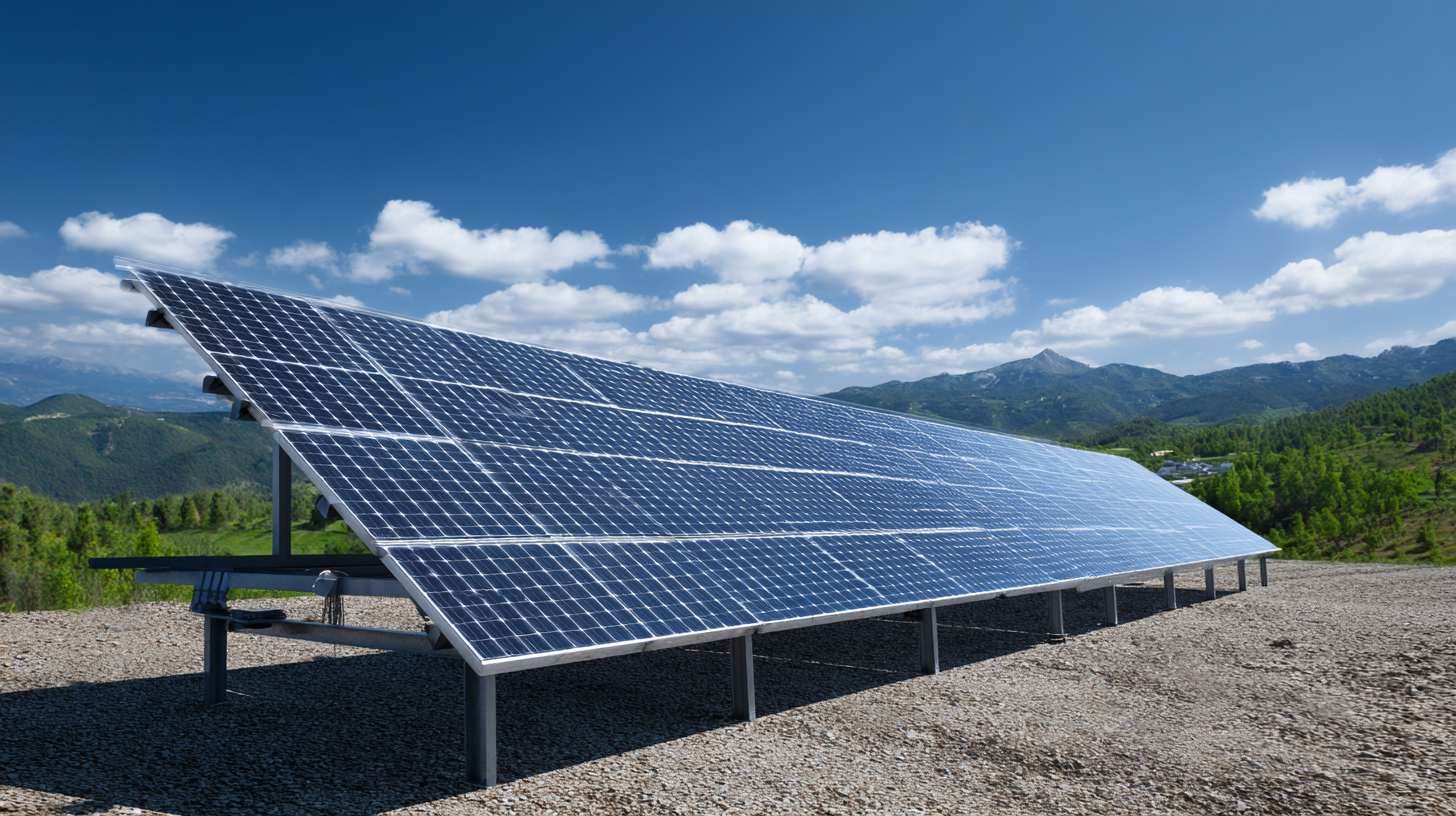
You know, the way more and more folks are turning to solar inverters in the renewable energy world is really changing the game when it comes to how we think about energy economics. According to a report from the International Renewable Energy Agency (IRENA), solar power could become one of the cheapest energy sources out there in many regions by 2025 — and a big part of this is thanks to tech improvements and dropping costs for solar inverters. These little devices are pretty important—they take the direct current (DC) generated by solar panels and turn it into alternating current (AC), which is what we use in our homes. Without them, solar energy systems just wouldn’t be as efficient or practical.
But the benefits of solar inverters don’t stop at just converting energy. A study from Bloomberg New Energy Finance suggests that the global market for these inverters could hit around $10.5 billion by 2025, growing at about 20% annually. That growth isn’t just because more people are installing solar panels; it’s also due to better inverter tech that helps manage energy more smartly and makes us less dependent on the grid. Plus, with the rise of smart inverters, users can now do things like demand response—basically tweaking their energy use to save money—which really boosts the overall case for solar stuff. It’s pretty exciting to see how all this innovation is making solar more affordable and efficient for everyone involved.
Challenges Facing Solar Inverter Adoption and Implementation
You know, solar inverters are really central when it comes to pushing forward sustainable energy. But honestly, there are quite a few hurdles still hampering their wider adoption. Take the European PV inverter market—it's expected to hit around USD 7.65 billion by 2033, growing at about 10.24% every year from 2025 to 2033. Sounds promising, right? Still, in places like India’s Pradhan Mantri Surya Ghar Yojana, even with nearly 58 lakh applications, only about 13% of installations have actually gone through. That pretty much shows there’s a real gap — issues like red tape, delays in approvals, and people just not knowing enough about solar inverters are holding things back.
So, what can be done? Well, one step is to make permitting and inspection processes faster and smoother—no one wants to wait forever, and that slowdown really kills the momentum. Also, educating folks about how solar inverters work and their benefits is super important if we want more people on board. Countries like Germany are doing well—they have some of the highest solar outputs, despite not getting as much sunlight as others—thanks to better technology and policies. If we focus on boosting inverter efficiency and pushing for supportive regulations, we could see a big difference.
Another good idea? Working with local authorities to make connecting new solar setups easier, and maybe even adopting advanced energy storage systems that can handle more renewable sources. This would give our energy grid more capacity and make it more resilient. Overall, tackling these issues head-on is key if we want solar inverter tech to really help lead us toward a sustainable energy future.
Understanding the Role of Solar Inverters in Sustainable Energy Transformation
This chart illustrates the challenges facing solar inverter adoption and implementation in terms of efficiency, cost, and availability. The data highlights the importance of addressing these challenges to enhance the role of solar inverters in sustainable energy transformation.
Future Trends in Solar Inverter Technology and Sustainable Energy
Looking ahead, the future of solar inverter tech is really exciting, especially as more folks are chasing sustainable energy solutions. One big trend shaping things up is how smart technology is being woven into these systems — making them more efficient and reliable than ever. Ever heard of smart inverters? They can actually chat with the grid and automatically tweak how they work to get the best performance. This is pretty much a game-changer, considering how renewable energy sources are becoming more common. It helps manage energy better and keeps the electrical grid more resilient, which is pretty cool.
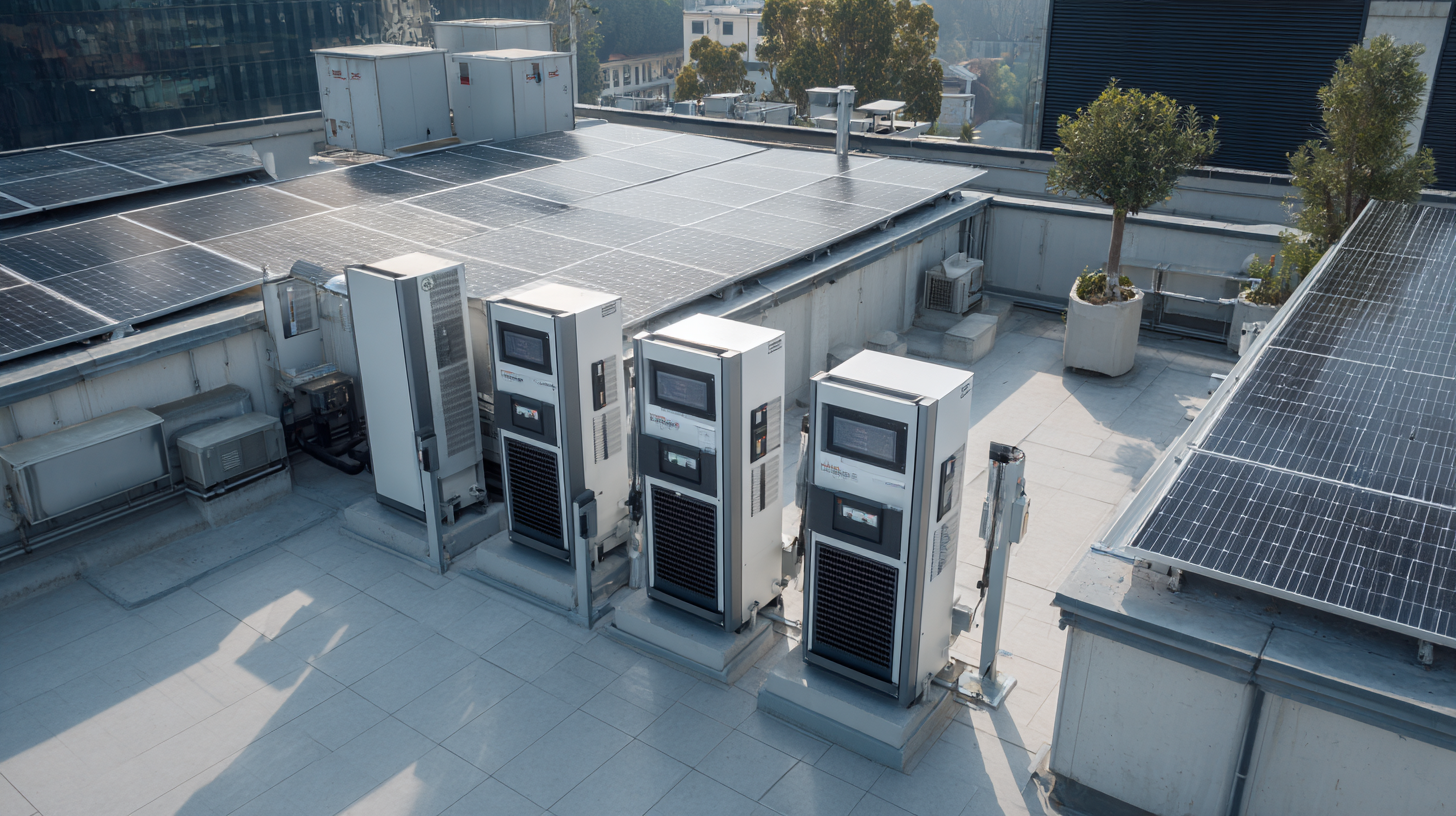 On top of that, there’s a push for smaller, more efficient inverters — mainly because urban areas are all about compact solar setups nowadays. Things like microinverters and power optimizers are getting more popular, giving folks more flexibility with their solar panel arrangements and squeezing out maximum energy from each panel. Plus, integrating batteries with these inverters is gaining ground. This combo helps smooth out energy production and usage, adding stability and making sure solar power is more reliable. As these innovations keep progressing, they’re really going to play a huge role in helping the world shift towards greener, more sustainable energy sources.
FAQS
: Solar inverters serve as the backbone of solar power systems, facilitating the integration of renewable energy sources into the grid and optimizing energy management.
Government mandates, such as requiring rooftop solar inverters to connect to national servers, emphasize the necessity for effective inverter integration to enhance grid stability and address cybersecurity challenges.
Solar inverters contribute to the reduction of energy costs, with projections indicating the global solar inverter market could reach $10.5 billion by 2025, driven by declining costs and increased installations of solar photovoltaic systems.
Smart inverters can communicate with the grid and automatically adjust their operations to optimize efficiency, helping to manage the increasing penetration of renewable energy sources.
Key trends include the integration of smart technologies, development of compact and efficient inverter designs, and advancements in energy storage integration for improved stability and reliability in renewable power generation.
Technological advancements and the declining costs of solar inverters are expected to make solar power generation one of the lowest-cost energy sources in many regions by 2025.
By facilitating demand response and allowing users to optimize energy usage, solar inverters help achieve cost savings, enhancing the overall economic viability of solar energy systems.
The global solar inverter market is projected to grow at a compound annual growth rate of 20% by 2025.
The need for compact solar installations in urban environments is driving innovations such as microinverters and power optimizers that maximize energy harvest and provide greater flexibility.
Energy storage integration allows batteries paired with solar inverters to smooth out energy production and consumption, providing stability and increasing reliability in renewable power generation.
Conclusion
Solar inverters are pretty much the backbone of integrating renewable energy sources into our systems. They’re key players in helping us make the switch to cleaner, more sustainable energy. Thanks to some pretty advanced tech, they make solar setups more efficient and dependable. Plus, they’re great at optimizing energy storage, which not only helps manage energy better but also makes green solutions more cost-effective by cutting down operational costs.
That said, it’s not all smooth sailing. There are some hurdles, like the upfront costs and the tech stuff that can be confusing. But, with ongoing innovations and new trends in solar inverter tech, those issues are likely to get better over time—making it even easier for us to move towards low-carbon energy sources. Here at Zhejiang Shuoshi Electric Technology Co., Ltd., we’re all about providing products and services that are both eco-friendly and efficient, aiming to push forward energy-saving and emission-reducing solutions that really make a difference.