Hey there! So, you know how in 2023, the hunt for Igbt Inverters is really heating up? It's all about that growing need for energy-efficient solutions in different industries, right? A recent report from MarketsandMarkets has some eye-catching stats - they predict the global IGBT market is gonna hit around USD 15.4 billion by 2027, with a steady growth rate of 7.3%. Pretty cool, huh?
You might want to keep an eye on Zhejiang Shuoshi Electric Technology Co., Ltd. because they're really leading the way in this whole thing. They're dedicated to delivering high-tech products that not only meet those tough energy-saving and emission-reducing standards but also fit in nicely with low-carbon initiatives. Now, as companies tackle the tricky world of global trade, understanding all those import/export certifications becomes super important. It’s key for making sure these advanced IGBT inverters can be distributed smoothly.
In this blog, we’ll dive into the current scene of IGBT inverters and chat about the certification challenges. You'll get some insights for your business on how to boost your industrial control automation solutions while staying in line with international standards.
Understanding the Importance of IGBT Inverter Certifications in Global Trade
When we look at the ever-changing world of global trade, it’s hard to ignore just how important IGBT inverter certifications have become. With the push for energy-efficient technologies steadily growing, reports show that the global market for IGBT modules is expected to hit around $8.5 billion by 2026, which is pretty impressive! That’s a growth rate of about 5.7% each year during this period. This surge really emphasizes why it’s critical for manufacturers to get on board with various international certifications. It’s all about making sure their products are safe and up to par performance-wise.
Certifications like CE, UL, and RoHS are super important in helping businesses trade smoothly. They give buyers that peace of mind about the reliability and eco-friendliness of IGBT inverters. Plus, these certifications boost manufacturers' credibility and help them dodge the pitfalls of non-compliance, like facing massive fines or taking a hit to their reputation. Did you know, according to Market Research Future, companies without the right certifications might lose up to 20% of their market share? That really drives home the point that manufacturers need to invest in these certifications if they want to keep pace in the fast-evolving global scene.
Key Global Trade Policies Impacting the Import/Export of IGBT Inverters
Alright, so let’s talk about IGBT inverters in 2023. The global trade scene for these devices is really being shaped by some important policies that are all about keeping tabs on imports and exports. According to the International Trade Administration, the market for IGBT inverters is looking pretty good, with an expected growth rate of 6.5% each year—yep, that’s compounded annually—bringing the market value to a whopping $9.4 billion by 2026! A big part of this boost is thanks to the advancements in renewable energy tech and electric vehicles, which are making the demand for super-efficient power electronic devices skyrocket.
Now, the EU's Green Deal is a major player in this game. It’s all about sustainability and going carbon neutral, and it’s brought about some pretty strict rules that impact how IGBT inverters get imported. A recent report from MarketsandMarkets highlights just how important it is for manufacturers to comply with these regulations if they want a shot at the EU market—meaning no cutting corners!
On top of that, trade agreements like the RCEP in Asia are changing the game when it comes to import tariffs and standards, making it easier for businesses to trade IGBT inverters across borders. So, if you're in this industry, understanding these global trade policies is super important for navigating the tricky waters of international markets.
Top Certification Standards for IGBT Inverters: An In-Depth Analysis
You know, as the world of IGBT inverters is changing really fast, it’s super important for both manufacturers and consumers to get a good grip on the certification standards that make sure everything is safe and efficient. With electric vehicles (EVs) becoming more popular, there’s a real need for a solid high-power charging infrastructure. That’s why following the latest international certification guidelines is crucial. These standards aren't just about making sure the products are high quality; they also play a big part in how competitive IGBT inverter manufacturers can be on a global scale. Recent analyses show that sticking to these standards can really impact the performance and reliability of power electronic inverter units—which are essential for EVs to run smoothly.
Now, when it comes to certification, a big focus is on how well everything is built and how effectively it manages heat in IGBT modules. Thanks to tech advancements, like better high-power IGBT module designs and quicker turn-off times, manufacturers today can meet some pretty tough performance requirements. Research has shown that keeping those temperatures in check is super key to making these systems reliable, especially when they're under a lot of stress. All of this just goes to show how important it is to have strict certification processes. Plus, it’s guiding new innovations in inverter design, which will definitely shape where the global IGBT inverter market is headed.
Navigating Global Trade: Certifications for IGBT Inverters in 2023
Market Trends: Demand Growth for IGBT Inverters in Renewable Energy Sectors
You know, the renewable energy world is really buzzing right now! There’s a huge spike in demand for IGBT inverters, all thanks to a boom in solar energy projects and some cool advancements in power electronics technology. To put it in numbers, the global IGBT market is expected to jump from about $7.8 billion in 2025 to a whopping $16.8 billion by 2035. That’s a pretty significant shift toward sustainable energy solutions, if you ask me. And let’s not overlook the Building Mounted Photovoltaic (BMPV) market, which is set to grow significantly — we’re talking about rising from $27.5 billion in 2024 to $65.3 billion by 2033! It just goes to show how crucial IGBT inverters are for improving Energy Efficiency and reliability in the renewable energy field.
On top of that, there have been some exciting breakthroughs in power electronics — like next-gen IGBTs — that are really going to push innovation forward. The automotive power modules market is also looking optimistic, with forecasts showing it could soar from $9.86 billion in 2025 to $25.14 billion by 2032. This just highlights how much we're shifting towards electric vehicles these days. And with the gate driver IC market also on the rise, the whole ecosystem around IGBT inverters is gearing up for some major changes. It’s all contributing to our global shift toward greener energy solutions and helping to slash carbon footprints all around the world!
Navigating Regulatory Compliance for IGBT Inverters in Various Markets
Alright, so let’s talk about the whole maze of regulatory compliance—it’s super important for businesses looking to import or export IGBT inverters this year. Seriously, markets all over the world have set some pretty tough standards for electrical equipment, which means that it’s vital for manufacturers to get a grip on what each region requires. Take Europe, for example; if you’re dealing with IGBT inverters there, you’ve got to make sure they meet CE marking requirements. This is all about making sure that products are safe and environmentally friendly. On the flip side, in the United States, you’ll need to meet UL standards, which center around safety and performance too. Getting these certifications isn’t just a box to tick—it actually helps you get into the market more easily and boosts customers' trust in how reliable your products are.
And it doesn’t stop there. Figuring out local regulations can seriously alter your supply chain logistics. Different countries have their own unique environmental rules, like the RoHS and WEEE directives in Europe, which dictate what materials you can use in production and how to handle electronic waste responsibly. If you get ahead of the game and meet these guidelines, you can avoid nasty customs delays and steer clear of any penalties. So yeah, putting in the effort to navigate all this regulatory compliance can really pay off, helping your operations run smoother and giving you the chance to reach more customers—all while ensuring your IGBT inverters are top-notch in quality and safety.
Navigating Global Trade: Import/Export Certifications for the Best IGBT Inverters in 2023
| Region | Certification Required | Lead Time (Weeks) | Cost (USD) | Key Regulatory Body |
| North America | UL Certification | 6 | 2500 | Underwriters Laboratories (UL) |
| European Union | CE Marking | 8 | 3000 | European Commission |
| Asia Pacific | CCC Certification | 5 | 1800 | Certification and Accreditation Administration (CNCA) |
| South America | INMETRO Certification | 4 | 2200 | National Institute of Metrology (INMETRO) |
| Middle East | G Mark Certification | 7 | 2600 | Emirates Authority for Standards and Metrology (ESMA) |
Best Practices for Importing and Exporting IGBT Inverters in 2023
Navigating the ins and outs of importing and exporting IGBT (Insulated Gate Bipolar Transistor) inverters in 2023 can be quite a challenge! You really have to follow best practices to make sure you comply with global trade regulations. And let’s be honest, understanding the certifications needed is super important. You’ve got to get those regulatory approvals for the specific markets you’re targeting. Keeping up with the latest standards is a must if you want to avoid hiccups in your transactions and cut down on delays. Plus, having the right paperwork, like CE marking in Europe or UL certification in the U.S., not only boosts your product's credibility but also helps you keep up with the environmental standards that more and more customers are looking for these days.
Here at Zhejiang Shuoshi Electric Technology Co., Ltd., we’re all about energy efficiency and low-carbon solutions when it comes to our IGBT inverters. We try to weave sustainable practices right into our manufacturing processes because, honestly, it's all part of doing our bit for the planet. As we reach out into the global market, our dedication to high-quality production and sticking to international trade regulations means our customers can count on us for some really innovative, eco-friendly solutions. And with our robust industrial control automation systems, you can be sure our products not only tick all the regulatory boxes but also make a positive impact on sustainability.
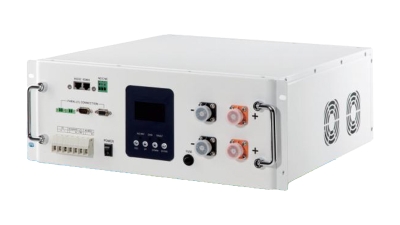
Maximize Energy Efficiency with the SOSIAT Rack/Cabinet Hybrid Inverter: A Comprehensive Guide
Maximizing energy efficiency is more crucial than ever in today's fast-paced world, and the SOSIAT Rack/Cabinet Hybrid Inverter stands out as a game-changing solution. Designed to seamlessly integrate into your energy setup, this inverter not only optimizes power consumption but also enhances the overall performance of your system. Its innovative hybrid technology allows for various energy sources, enabling you to harness solar, grid, and battery power efficiently. This versatility is particularly beneficial for businesses and homeowners looking to minimize their carbon footprint while enjoying reliable energy supply.
The SOSIAT hybrid inverter boasts advanced features that ensure maximum energy efficiency. With its intelligent load management system, users can monitor and control energy consumption in real-time, adjusting the system according to demand. This capability not only reduces energy waste but also lowers utility costs over time. Moreover, the sleek rack or cabinet design makes it ideal for both residential and commercial installations, proving that energy efficiency can be achieved without sacrificing space or aesthetics. Embracing this technology means making a commitment to a sustainable future while enjoying the benefits of reliable, renewable energy sources.
FAQS
: IGBT inverters, or Insulated Gate Bipolar Transistor inverters, are critical in facilitating energy-efficient technologies, which are increasingly in demand in global markets. Their significance lies in meeting safety and performance standards, essential for maintaining credibility and competitiveness among manufacturers.
Key certifications for IGBT inverters include CE, UL, and RoHS. These certifications ensure that products are reliable and sustainable, aiding trade by providing assurance to buyers regarding compliance with safety and environmental regulations.
Manufacturers lacking proper certifications may face significant market disadvantages, with reports indicating potential losses of up to 20% in market share due to non-compliance, highlighting the importance of acquiring relevant certifications to remain competitive.
Companies should stay updated on necessary certifications and regulatory approvals specific to their target markets, ensuring compliance with global trade regulations and minimizing transaction delays through proper documentation.
Zhejiang Shuoshi Electric Technology Co., Ltd. prioritizes energy efficiency and low-carbon solutions in their IGBT inverter products, embedding sustainable practices into their manufacturing processes to align with global emission reduction initiatives.
Staying updated with the latest standards is vital for ensuring compliance with evolving regulations, which facilitates smoother transactions, enhances product credibility, and meets growing environmental standards in international markets.
Proper documentation, such as CE marking in Europe and UL certification in the United States, is crucial for enhancing product credibility and ensuring compliance with the environmental standards increasingly focused on in international trade.
The global market for IGBT modules is projected to reach approximately $8.5 billion by 2026, with a compound annual growth rate (CAGR) of 5.7% during the forecast period, indicating a growing demand for these technologies.
Non-compliance with necessary certifications can lead to hefty fines, reputational damage, and significant loss in market share for companies, making adherence to industry regulations critical for business success.
Eco-friendly solutions in IGBT inverter manufacturing are essential as manufacturers, like Zhejiang Shuoshi Electric Technology Co., Ltd., aim to contribute positively to environmental sustainability while complying with global trade regulations.