Leave Your Message
0%

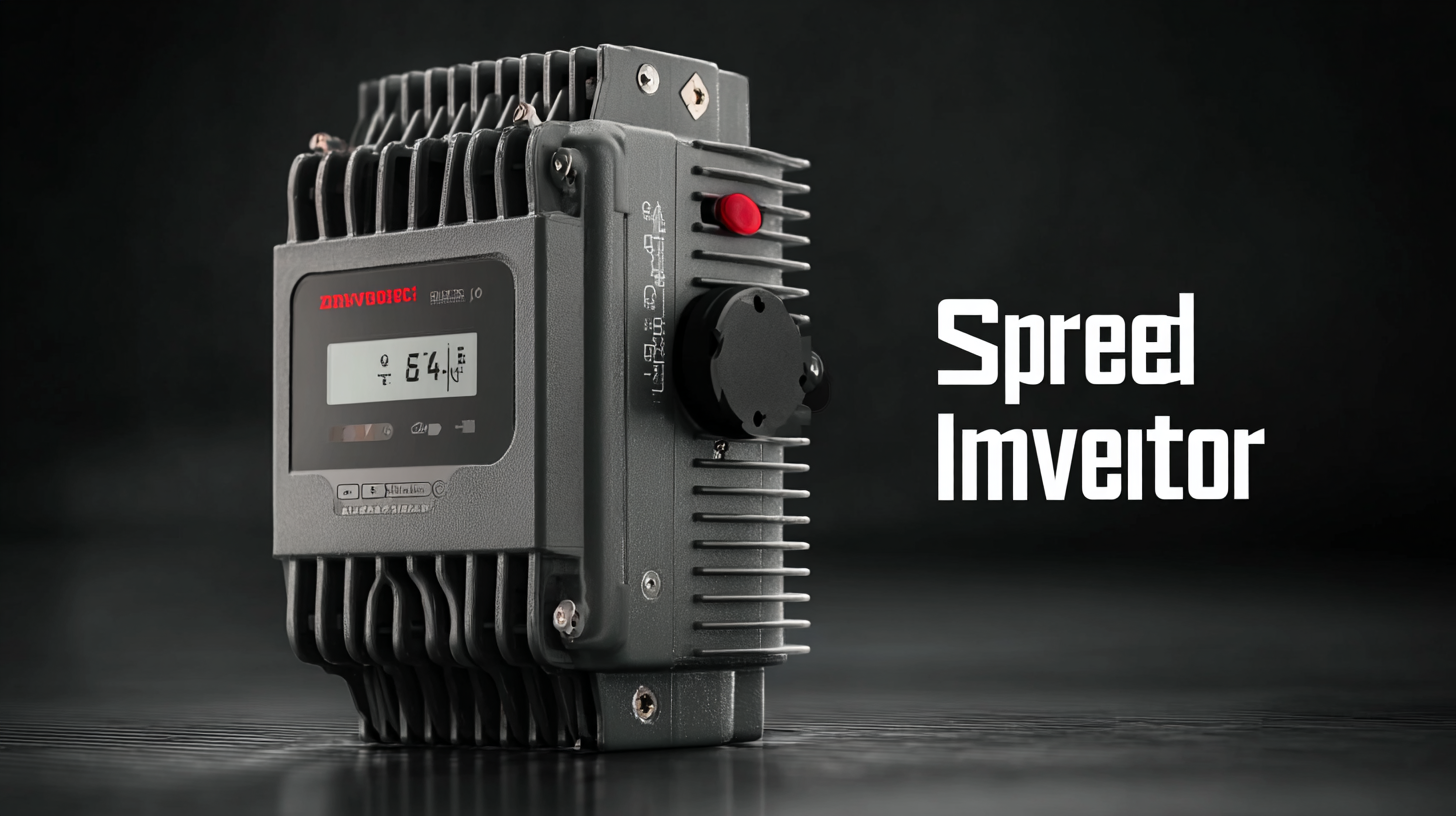
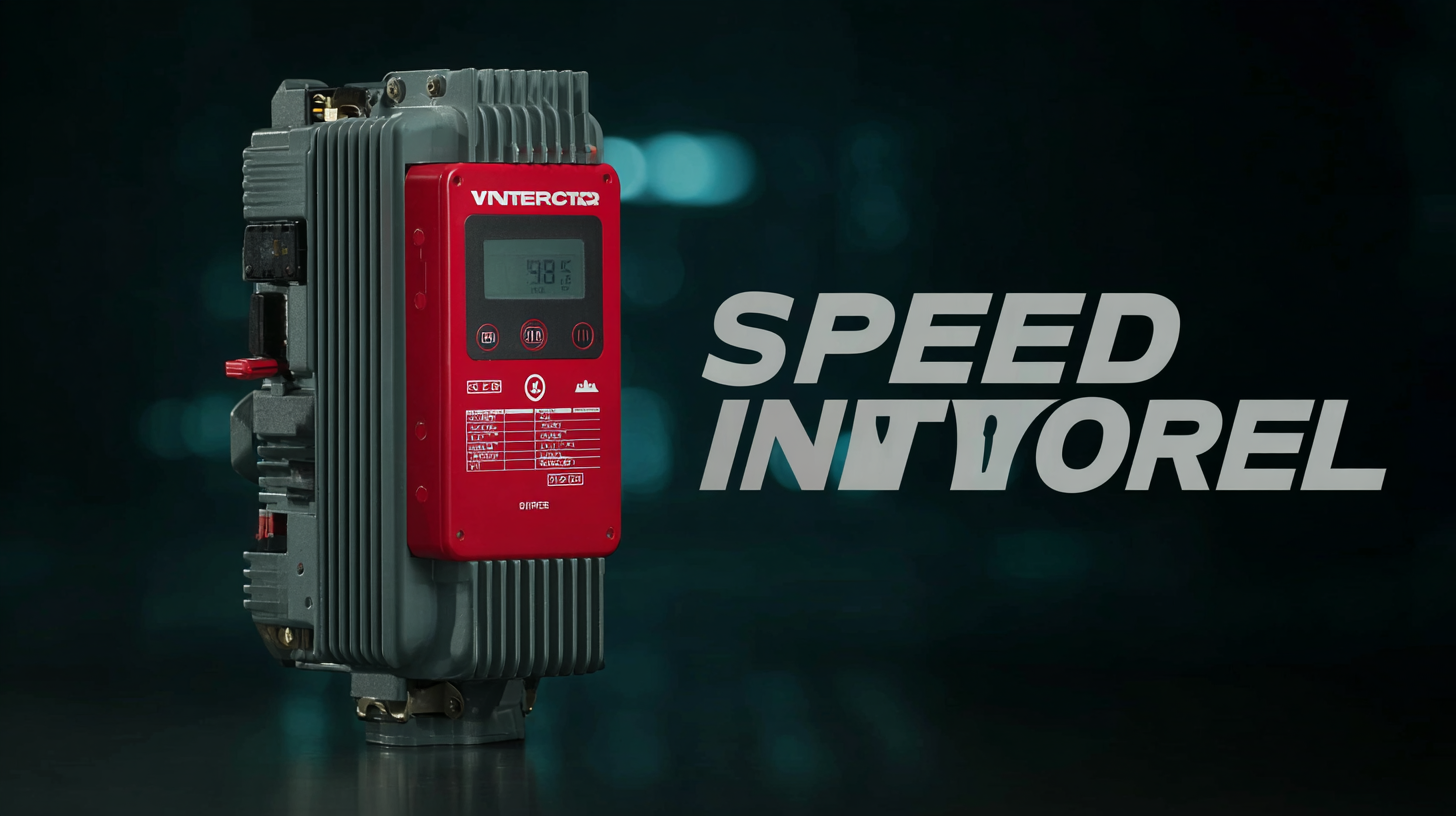
You know, in today’s fast-paced industrial world, picking the right Speed Control Inverter is super important if you want to boost your operational efficiency and stay green. A recent market report from Mordor Intelligencesays that the global Variable Frequency Drive market—which includes theseSpeed Control Inverters—is expected to grow at an impressive rate of 7.59% each year from 2021 to 2026. This growth is really being driven by the rising demand for energy-efficient systems. At Zhejiang Shuoshi Electric Technology Co., Ltd., we’re all about providing innovative solutions that keep pace with these trends. Our products are designed to save energy, cut emissions, and help reduce carbon footprints. When businesses choose the right Speed Control Inverter that fits their unique needs, they can slash energy costs and streamline their automation processes. This isn’t just about saving money, though; it’s also a step toward a greener and more sustainable future.
How to Choose the Best Speed Control Inverter for Your Industrial Needs

Understanding the Basics of Speed Control Inverters for Industrial Applications

So, when you’re on the hunt for a speed control inverter for industrial use, it’s super important to get the basics down. Speed control inverters, especially what we call variable frequency drives (VFDs), are key players in making sure motors run efficiently in all sorts of industries. You know, some pretty cool new tech has shown that VFDs can actually cut energy use by up to 50% in situations where the load varies. This is a game-changer in sectors where motors need to switch speeds a lot, allowing for smart control strategies that can really help slashing those operational costs.

On top of that, using advanced control techniques, like PID controllers, really boosts the performance of these speed control inverters. Research backs it up—tweaking those PID parameters can lead to super precise speed control in DC motors, which means better responsiveness and stability, especially in fast-paced industrial settings. And let’s not forget the rise of multi-level inverters and fancy modulation methods like space vector pulse-width modulation (SVPWM). These innovations are paving the way for more reliable and efficient Motor Control solutions.It’s really exciting to see this evolution, showing how industries are adapting to meet varying demands while keeping their efficiency and productivity on point.

Key Features to Look for When Selecting a Speed Control Inverter

How to Choose the Best Speed Control Inverter for Your Industrial Needs So, when you're out there looking for a speed control inverter for your industrial setup, there are a few key things to keep in mind that can really make a difference in how everything runs. First off, you want to think about the inverter's control algorithms. I mean, those advanced options like vector control or direct Torque Control? They can really take your performance to the next level, giving you more precision and a quicker response time. This means you can handle load changes better and keep your whole system running smoothly.

Next up, you definitely need to check if the inverter will play nice with your existing gear. The last thing you want is a mismatch that leads to downtime. If it can integrate easily with what you already have going on, you'll make that transition way easier. Plus, it's smart to look for inverters that are scalable. That way, when you're ready to expand your operations in the future, you won't have to ditch everything and start from scratch.

Oh, and a quick tip: always take a good look at the specs to see things like maximum output power and efficiency ratings. These are super important because they’ll help you figure out if the inverter is the right fit for your needs. And don’t forget to check out how user-friendly the interface is, along with any diagnostic features. A good interface can make maintenance a breeze and help you keep tabs on performance, which in turn can boost the lifespan of your equipment. It's all about making things easier for yourself down the line!

Evaluating Compatibility with Existing Equipment and Systems

So, when you're on the hunt for a speed control inverter for industrial use, you've really got to check if it jives well with your existing equipment and systems. Spare a thought for this – a recent report from MarketsandMarkets pointed out that the global market for variable frequency drives (VFDs) is projected to hit about $19.6 billion by 2025. That says a lot about how crucial efficient motor control solutions are becoming across different industries, right? After all, it's super important that the inverter you choose matches the voltage and power needs of what you already have. If there's a mismatch, you could face some serious hiccups or even equipment failure – and nobody wants that to happen.

And let’s not forget about communication protocols! Nowadays, many modern inverters come with support for protocols like Modbus, EtherNet/IP, and CANopen, making it a lot easier to integrate them into your current automation setups. The International Society of Automation has some interesting stats: about 70% of the automation headaches come from communication issues. That really drives home the point about how essential it is to do a thorough compatibility check before committing to anything. By keeping these factors in mind, industries can boost efficiency and slash long-term maintenance costs, leading to much better overall performance.

Speed Control Inverter Compatibility Assessment

This chart illustrates the compatibility of various speed control inverters with common Industrial Equipment. The data shows the percentage of compatibility for different inverter models with equipment such as electric motors, pumps, and conveyors.

The Impact of Emerging Technologies on Speed Control Inverter Selection

You know, emerging technologies are really shaking things up when it comes to picking speed control inverters for industrial applications. As industries push to become more efficient and eco-friendly, we’re seeing cool stuff like Industry 4.0, IoT, and AI being woven into their daily operations. A report from MarketsandMarkets points out that the global market for variable frequency drives (VFDs)—which includes those nifty speed control inverters—is projected to skyrocket from $22.7 billion in 2020 to $33.2 billion by 2025. That’s a compound annual growth rate (CAGR) of 8.6%, which is pretty impressive! A big part of this growth is coming from the rising demand for energy-efficient systems and automation, with smart inverters playing a key role here.

Now, when you think about IoT and speed control inverters, it’s all about real-time monitoring and predictive maintenance, which seriously boosts efficiency. According to a study from Fortune Business Insights, IoT-enabled devices can actually cut energy use by around 30% in industrial settings. And let's not forget AI—it's stepping in to enhance performance metrics and help with adaptive control strategies. This means manufacturers can choose inverters that match their specific needs, leading to smoother production processes. So, as these technologies keep developing, it’s super important for industrial operators to stay in the loop about the latest advancements to pick the best speed control inverter for what they need.

How to Choose the Best Speed Control Inverter for Your Industrial Needs - The Impact of Emerging Technologies on Speed Control Inverter Selection

Parameter Description Impact of Emerging Technologies
Power Rating The maximum output power of the inverter. Advancements in semiconductor technology enhance power handling.
Efficiency The ratio of output power to input power, expressed as a percentage. Smart algorithms improve efficiency across varying loads.
Control Method The technique used to regulate speed, such as V/f or vector control. New control strategies offer more precise speed regulation.
Communication Protocols Interface options for integration with existing systems (e.g., CAN, Modbus). IoT capabilities allow seamless data exchange for better monitoring.
Environmental Ratings Estimated durability based on environmental conditions (e.g., IP rating). Improved design techniques provide greater resilience to harsh environments.
Size and Weight Dimensions and mass, impacting installation space and mobility. Miniaturization trends lead to more compact and lighter units.

Common Pitfalls to Avoid When Choosing a Speed Control Inverter

When you're picking out a speed control inverter for your industrial needs, it's super important to steer clear of those common traps that can really mess things up and cost you more in the long run. One big mistake a lot of companies make is not fully grasping their operational needs. I read this report from the International Energy Agency, and it mentioned that if the inverter's not sized right, it can lead to inefficiencies of up to 30%. So, definitely take the time to check out your machines and how they work to ensure you're getting the best performance possible.

Another misstep is ignoring whether the inverter fits well with your current systems. Many folks in the industry forget that they need inverters that can smoothly sync up with their control and monitoring setups. A study from the Electric Power Research Institute has shown that if you run into compatibility issues, it could jack up your maintenance costs by as much as 25%. To dodge these headaches, it's smart to double-check the specs and make sure your inverter can talk to other devices in your setup without a hitch.

A few tips: Always chat with seasoned technicians when you're on the hunt for an inverter to steer clear of those pesky compatibility problems. Plus, look for vendors who can provide solid support and advice—that’ll help you make choices that really fit your industrial situation. Oh, and don’t forget to peek at warranties and service agreements; those can save you a ton of cash over time!

Future Trends in Speed Control Inverter Technology for 2025 and Beyond

The power utilities industry is witnessing a significant transformation as we approach 2025, with a strong emphasis on cleaner and more resilient energy systems. This shift is largely influenced by the rapid growth of renewable energy sources and the pressing demand for sustainable practices. As companies like Zhejiang Shuoshi Electric Technology Co., Ltd. strive to lead the charge with energy-saving and low-carbon technologies, speed control inverters are becoming more essential than ever. These devices not only enhance the efficiency of industrial motors but also align seamlessly with the industry's goal of reducing emissions and promoting environmentally friendly solutions.

How to Choose the Best Speed Control Inverter for Your Industrial Needs

Looking ahead, advancements in speed control inverter technology are set to revolutionize industrial operations. Innovations such as artificial intelligence and the Internet of Things (IoT) integration promise to enable real-time monitoring and predictive maintenance, which can significantly improve operational efficiency. Additionally, the focus on modular and scalable inverter designs will allow industries to customize their energy solutions according to specific needs while minimizing energy waste. As we move toward 2025, the confluence of these trends will empower industrial players to adopt smarter, more sustainable approaches that contribute positively to both their bottom line and the environment.

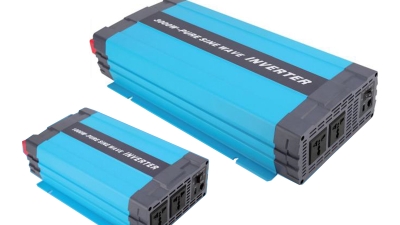
Exploring the Efficiency and Reliability of Small Pure Sine Wave Inverters: Insights from Industry Reports on Power Conversion Technology

Small pure sine wave inverters have become a cornerstone in modern power conversion technology, thanks to their ability to efficiently and reliably convert DC power into standard sinusoidal AC. This transformation is essential for the functionality of numerous electronic devices, which require a stable and clean power supply to operate effectively. Industry reports have consistently highlighted the benefits of these inverters, emphasizing their role in enhancing the performance of sensitive equipment while maintaining energy efficiency.

One of the most significant advantages of small pure sine wave inverters is their output waveform, which is virtually indistinguishable from that of the utility grid. This purity ensures that there is no electromagnetic interference, making them ideal for applications that rely on precision electronics such as medical devices, communication systems, and audio equipment. Unlike modified sine wave inverters, which can introduce distortion and noise, pure sine wave inverters provide a clean and stable power source, thereby prolonging the lifespan of connected devices and improving overall reliability.

As industries continue to shift towards more sustainable and efficient energy solutions, the demand for small pure sine wave inverters is expected to grow. Their compact size allows for versatility in various applications, whether in residential setups, industrial environments, or mobile power needs. With ongoing advancements in power conversion technology, these inverters are not only meeting the current demands for efficiency and reliability but are also paving the way for future innovations in clean energy generation and utilization.

FAQS

: What are the key features to consider when selecting a speed control inverter?

: Key features include advanced control algorithms (like vector control or direct torque control), compatibility with existing systems, scalability for future expansions, maximum output power, efficiency ratings, and user-friendly interface for maintenance and monitoring.

Why is compatibility with existing systems important when choosing a speed control inverter?

It is crucial to ensure the inverter matches the voltage and power requirements of current systems to avoid operational disruptions or equipment failure. Compatibility with communication protocols also facilitates seamless integration.

What types of communication protocols should a speed control inverter support?

Modern inverters should support protocols such as Modbus, EtherNet/IP, and CANopen to ensure compatibility with existing automation frameworks.

How can evaluating inverter specifications impact operational performance?

Reviewing specifications for maximum output power and efficiency ratings helps determine if the inverter is suitable for specific applications, which directly impacts operational performance and efficiency.

What future trends are expected in speed control inverter technology by 2025?

Future trends include increased integration of artificial intelligence and IoT for real-time monitoring and predictive maintenance, as well as a focus on modular and scalable designs to customize energy solutions and reduce waste.

How do advanced control algorithms benefit speed control inverters?

Advanced algorithms like vector control and direct torque control improve precision, responsiveness, and overall system stability, allowing for better load management.

What role do speed control inverters play in sustainable practices?

Speed control inverters enhance the efficiency of industrial motors and help reduce emissions, aligning with the growing emphasis on cleaner and more resilient energy systems.

How can industries enhance efficiency using compatibility assessments?

By thoroughly evaluating compatibility during the selection process, industries can avoid communication incompatibilities and reduce long-term maintenance costs, leading to improved operational performance.

What is the expected market growth for variable frequency drives (VFD) by 2025?

The global VFD market is expected to reach $19.6 billion by 2025, indicating a growing demand for efficient motor control solutions across various industries.

Benjamin

Benjamin

Benjamin is a dedicated marketing professional at Zhejiang Shuoshi Electric Technology Co., Ltd., where he plays a vital role in promoting the company's commitment to energy-saving, emission-reducing, low-carbon, and environmentally friendly high-tech products. With a deep understanding of the......
Previous Unlocking Global Trade Potential: Discover the Advantages of AC Soft Starters at the 137th Canton Fair