In today’s super competitive manufacturing world, Energy Efficiency really matters. You’ve probably heard ofIndustrial VFDs—they’re those handy Variable Frequency Drives that help optimize how much energy machinery uses. According to a recent report from the International Energy Agency, adding VFDs can cut energy consumption by up to half in some cases. Industry expert Dr. John Miller from Energy Solutions Inc. points out, “The right Industrial VFD can seriously slash operational costs and make systems more reliable.”
Surprisingly, a lot of companies aren’t using this tech to its fullest. The benefits are pretty clear, yet adoption is all over the place across different industries. Sure, installing VFDs costs some upfront, but trust me, in the long run, the savings are totally worth it. Plus, with VFDs, you not only see lower energy bills but also less wear and tear on your machinery. That means your equipment could last longer and you won’t have to spend as much on maintenance.
That said, switching to VFD technology isn’t always a walk in the park. Training staff on how to handle new systems can be tricky, and some manufacturers worry about disrupting their operations during the switch. But honestly, in today’s fast-evolving market, you’ve got to think ahead. Embracing Industrial VFDs is a smart move toward more sustainable, efficient manufacturing—and hey, it’s worth the effort.

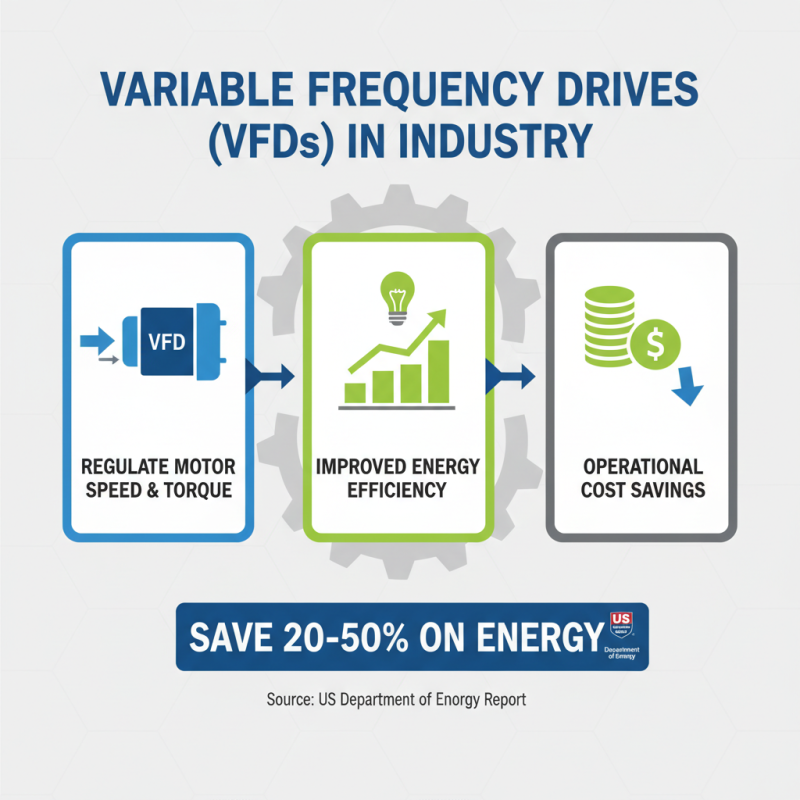
Variable Frequency Drives (VFDs) play a crucial role in modern Industrial Applications. They regulate motor speed and torque, leading to improved energy efficiency and operational cost savings. According to a report by the U.S. Department of Energy, implementing VFDs can reduce energy consumption by 20% to 50% in motors that are variable speed driven. This significant reduction highlights the importance of energy management in various industrial sectors.
In addition to energy savings, VFDs enhance system reliability. They help minimize wear and tear on equipment by providing soft starts. This feature reduces mechanical stress during startup, potentially extending the lifespan of motors. However, not all VFD implementations are flawless. Industries face challenges such as compatibility issues and the potential for system instability if not configured correctly.
Data from industry analytics suggest that while VFDs are gaining popularity, many facilities do not optimize their use to fully benefit from energy savings. A study found that nearly 60% of VFD installations had untapped potential for higher efficiency gains. Continuous training and system monitoring are essential for realizing VFDs' full capabilities, highlighting an area for improvement in energy management strategies.
Energy management is crucial in industrial applications. Efficient energy use can lead to reduced costs and lower environmental impact. Many industries rely on Electrical Systems, and optimizing these systems can result in significant savings. By implementing effective energy management strategies, businesses can increase operational efficiency and improve overall productivity.
Tips: Consider regular assessments of your energy consumption. Identify areas where energy waste occurs. Simple changes to equipment settings can yield big results. Also, invest in training for staff on energy-saving practices.
Industrial Equipment often operates under varying loads. VFDs (Variable Frequency Drives) help adjust motor speed and torque in real time. This not only saves energy but also prolongs the lifespan of motors. However, integrating VFDs requires careful planning. It is essential to analyze specific process needs and existing systems. Doing so ensures a proper fit and maximizes benefits.
Tips: Keep an eye on the performance of your VFDs. Regular monitoring can highlight inefficiencies. It’s also essential to understand that not all applications will benefit equally from VFD implementation, leading to the need for scenario analysis.
When selecting efficient Variable Frequency Drives (VFDs) for Industrial Automation, several criteria come into play. The first consideration is energy efficiency. VFDs should optimize motor performance while minimizing energy consumption. Check for models that provide real-time energy usage data. This feature aids in making informed decisions about performance improvements.
Another key factor is compatibility. The VFD must integrate seamlessly with existing systems. Review the specifications to ensure they match the operational requirements of your equipment. A VFD that can adapt to various motor types enhances operational flexibility.
Additionally, the reliability of a VFD is paramount. Research the operating history of various models. Consider the mean time between failures (MTBF) and warranty details. A longer MTBF suggests a robust design. Pay attention to any recurring issues reported by users. Feedback from the field can reveal insights into a VFD's true performance.
User interface and software capabilities are also vital. A well-designed interface allows easy configuration and monitoring. Software that supports remote access can enhance usability and troubleshooting. Fostering a deeper understanding of VFD functionalities can lead to better decision-making in industrial automation.
Choosing a VFD is not merely about cost. Consider the total lifecycle cost and potential savings. This requires careful assessment. Misjudgments can lead to operational inefficiencies. Taking a thorough approach ensures proper alignment with your energy management goals.
Industrial Variable Frequency Drives (VFDs) are essential for modern energy management. These devices regulate motor speed and torque. Their features vary widely, impacting efficiency. Key specifications include power range, control methods, and communication options. For users, understanding these factors is crucial for making informed choices.
A well-designed VFD often includes advanced control algorithms. This enhances energy savings and motor performance. Many units support integration with existing systems. Compatibility with protocols like Modbus or Ethernet is a common feature. However, some companies encounter challenges during installation. Proper training is often needed to maximize the benefits of these systems.
When selecting a VFD, look for durability and ease of use. A unit that is complex may lead to operational issues. Evaluating past user experiences can provide valuable insights. Regular maintenance practices also play a key role in reliability and longevity. Identifying potential shortcomings early can help prevent costly downtime. Balancing features with practical application is vital in ensuring effective energy management.
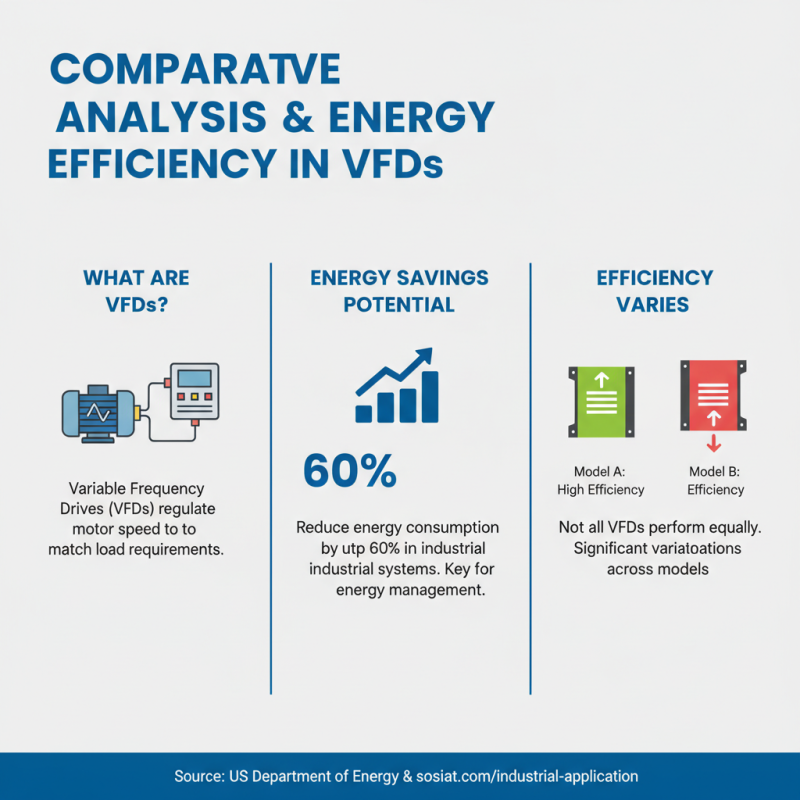
Variable Frequency Drives (VFDs) play a crucial role in energy management within Industrial Applications. According to the Department of Energy, VFDs can reduce energy consumption by up to 60% in some systems. This makes them a pivotal tool for companies aiming to enhance efficiency. However, not all VFDs deliver the same performance. A comparative analysis reveals significant variations in energy efficiency across different models.
Data from the International Energy Agency shows that poorly selected VFDs may lead to inefficiencies, costing businesses substantially over time. The right selection depends on specific operational needs and system requirements. Factors like motor type and load profiles must be carefully considered. A standard misstep is underutilization, where systems do not leverage the VFD’s capabilities. This highlights the need for a tailored approach in industrial applications.
In exploring energy efficiency, one must also address the potential for unintended consequences. Poor installation or maintenance can negate the benefits of a VFD. A report from the Industrial Efficiency Technology Database reveals that inadequate monitoring of energy use creates blind spots for operators. They must strive for continuous optimization, not just initial installation. Understanding these complexities is vital for achieving long-term energy savings.
Variable Frequency Drives (VFDs) have emerged as crucial tools for energy management in various industries. Numerous case studies illustrate their effectiveness. For instance, a manufacturing facility reported a 30% reduction in energy consumption after implementing VFD technology. This showcases how VFDs efficiently control motor speeds based on real-time demand.
In another case, a water treatment plant integrated VFDs into its pumping systems. The result was not only a 25% decrease in operational costs but also a significant reduction in wear and tear on machinery. Such implementations reveal the potential for long-term savings, underscoring the importance of proper VFD application. However, challenges remain. Many facilities struggle with adjusting operational protocols post-installation, which can undermine efficiency gains.
The data indicates that 80% of VFD applications yield a positive ROI within three years. Yet, companies often overlook necessary training for staff to fully utilize this technology. It’s essential to balance the immediate benefits with ongoing education. Industry professionals recommend regular evaluations to ensure that the VFD systems operate as intended, adapting to evolving energy needs. This reflective approach helps in maximizing benefits while revealing areas for improvement.
As industries look to optimize energy consumption, the role of Variable Frequency Drives (VFDs) is becoming increasingly significant. Recent reports indicate that businesses using VFDs can achieve energy savings of 30-50% compared to traditional methods. This is a substantial reduction in energy costs, driving the conversation toward more strategic energy management solutions.
Future trends indicate a shift towards integrating Internet of Things (IoT) capabilities in VFD technology. Such advancements enable real-time monitoring and data analytics, allowing facilities to fine-tune energy use. A survey revealed that 65% of companies believe IoT integration will enhance their operational efficiency. However, the challenge remains in overcoming the initial setup costs and training staff for new technologies.
Another trend is the growth of energy demand management systems. Many facilities struggle with energy peaks and load management. An effective VFD can help mitigate these issues, yet, not all users understand the full potential of these devices. This gap highlights the importance of consulting with an experienced Industrial Soft Starter Distributor to ensure the optimal selection and implementation of systems. Balancing cost and efficiency remains a challenge for many businesses in transitioning to advanced energy management solutions.
This chart illustrates the energy efficiency ratings of the top 10 industrial Variable Frequency Drives (VFDs). The ratings reflect how effectively these devices manage energy consumption while controlling motor speed in various industrial applications.
: Energy efficiency is crucial. Opt for VFDs that minimize energy use while optimizing motor performance.
Check the VFD specifications. Ensure they match the operational requirements of your existing systems.
A reliable VFD reduces the likelihood of failures. Research models based on their mean time between failures (MTBF).
Look for an intuitive interface. A good interface allows easy configuration and monitoring.
Software that supports remote access can streamline troubleshooting and improve overall operation.
Evaluate the total lifecycle cost. Balancing the cost with potential savings is essential for long-term efficiency.
They enhance energy savings and improve motor performance, making them a great choice for efficiency.
Some systems may not be user-friendly. Proper training is often necessary to avoid operational issues.
Analyzing past user feedback can help identify potential shortcomings and operational challenges.
Maintenance extends VFD longevity and reliability. Early identification of issues can prevent costly downtime.
In the context of modern industrial operations, Variable Frequency Drives (VFDs) play a crucial role in optimizing energy management solutions. The article explores the significance of VFDs in enhancing energy efficiency across various applications, detailing the selection criteria that industries should consider. Features and specifications of the top 10 Industrial VFDs are discussed, highlighting their performance and energy-saving capabilities.
Additionally, a comparative analysis illustrates the energy efficiency of different VFDs, supported by case studies showcasing successful implementations in real-world scenarios. As industries strive for sustainability, the article also delves into future trends in VFD technology, emphasizing their potential to revolutionize energy management practices in the industrial sector. Overall, the integration of effective Industrial VFDs is paramount for achieving significant energy savings and operational efficiency.