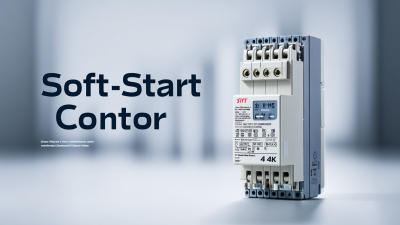
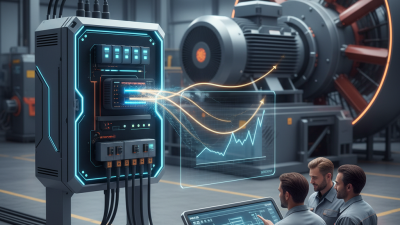
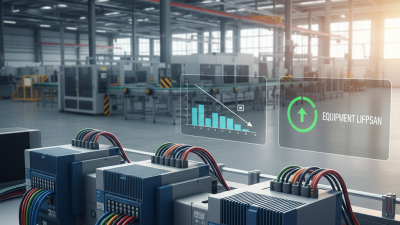
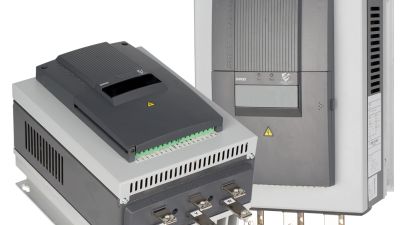
In today’s industrial world, getting things done efficiently and reliably is more important than ever. That’s where a Soft Start Controller really comes in handy. Basically, it helps start motors more smoothly by gradually increasing their speed, which cuts down on mechanical stress and helps your equipment last longer. Companies like ABC Industries have actually seen pretty impressive results—lower energy bills and less wear and tear on their machinery—just from using these systems.
If you’re looking into motor control options, it’s definitely worth considering a Soft Start Controller. It’s a popular choice worldwide because it helps reduce that initial strain and electrical spikes when starting up. But, here’s the thing—not all systems are quite the same. You really need to think about your specific needs and challenges before jumping in. There are some things to watch out for, like the upfront costs for installation and ongoing maintenance—that stuff adds up.
Sure, investing in a Soft Start Controller can save you money in the long run, but it’s not a decision to take lightly. Every facility is different, and what works well for one company might not be the best fit for another. Getting that balance right between initial investment and making your operations more efficient takes some careful thought. Overall, it’s about weighing the benefits against the costs to figure out what’s best for your specific situation.
Understanding Soft Start Controllers in Industrial Applications
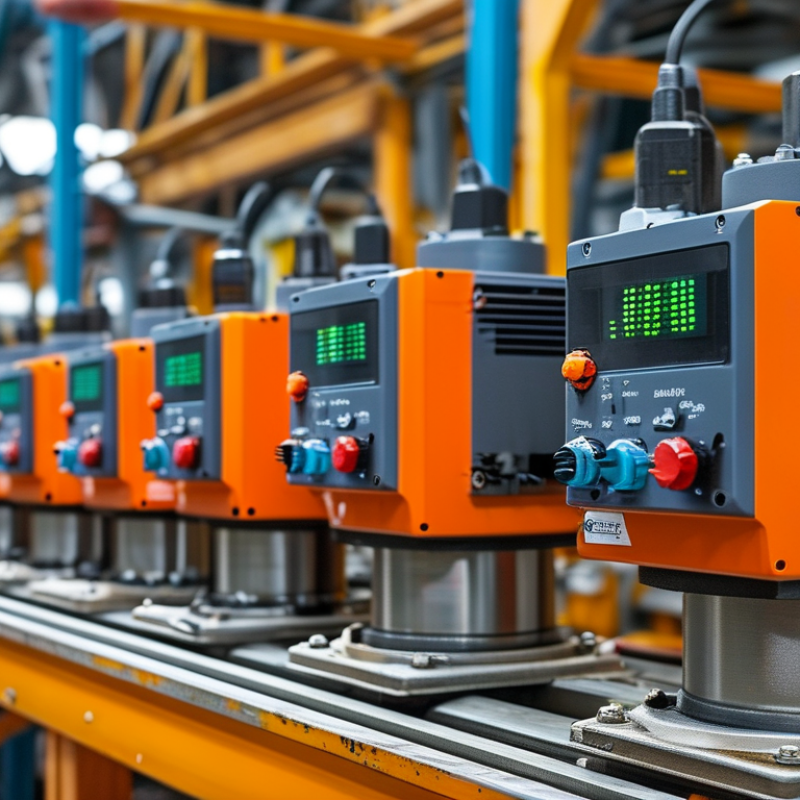
Soft start controllers play a vital role in Industrial Applications. These devices help manage the initial surge of power when starting large motors. By gradually increasing voltage, they prevent mechanical stress. This approach enhances equipment lifespan and reduces maintenance costs. Industrial facilities often rely on heavy machinery, making soft start technology critical.
Understanding how soft start controllers function can improve efficiency. They control the "Soft Start Time," allowing the motor to reach its operational speed smoothly. A well-calibrated soft start minimizes the impact of high inrush currents. This results in fewer electrical disturbances and extends the life of the entire system. Users might overlook the significance of precise settings at times. Adjusting the soft start parameters can lead to significant performance differences.
Incorporating soft start controllers requires careful consideration. Not every application needs the same settings. Evaluating the specific requirements of your machinery is crucial. While a standard approach may work, tailored solutions often yield better results. Experimenting with different configurations can reveal unexpected benefits. Balancing efficiency with cost-effectiveness is an ongoing challenge in industrial operations.
Why Choose a Soft Start Controller for Your Industrial Needs?
| Application | Benefits | Key Features | Typical Use Cases |
| Pumps | Reduces mechanical stress, prolongs equipment life | Current limiting, gradual acceleration | Water treatment, oil and gas extraction |
| Conveyors | Minimizes belt stretch and wear | Soft start ramp, speed control | Manufacturing, packaging |
| Compressors | Reduces power surge on startup |
Voltage Control, thermal protection | HVAC, refrigeration systems |
| Fans | Improves air flow management | Adaptable ramp-up times, speed variation | Industrial ventilation, cooling systems |
Key Features of Soft Start Controllers for Efficient Operation
Soft start controllers are essential in modern industrial applications. They provide smooth ramp-up and ramp-down of motor speed. This feature reduces mechanical stress, prolonging equipment life. In industries with heavy machinery, this becomes crucial for maintenance and operational efficiency.
Key features include low voltage, high current control, and adjustable acceleration rates. These attributes help manage the electrical supply and lower the initial power surge. For applications where sudden starts can cause damage, soft start controllers offer reliability. It's important to understand how they differ from Variable Frequency Drives (VFDs). While VFDs control speed and torque, soft starters focus on reducing impact forces during startup.
Additionally, a user-friendly interface enhances operational reliability. An intuitive design allows quick adjustments and monitoring. However, not all soft start controllers are equal. Installation challenges can arise, especially in retrofitting older systems. It's vital to assess your specific needs before making a choice. Engaging with qualified professionals can ensure that the selected device aligns well with operational goals.
Benefits of Implementing Soft Start Controllers in Manufacturing
Soft start controllers play a vital role in modern manufacturing processes. They gradually ramp up motor speeds, which significantly reduces mechanical stress during startup. This feature lowers the risk of equipment damage, extending the lifespan of industrial machinery. When equipment runs smoothly, it minimizes unplanned downtimes. Companies often face costly interruptions due to sudden failures. Investing in a soft start controller can lead to long-term savings.
Moreover, these controllers enhance energy efficiency. By controlling the initial current flow, they prevent energy spikes that can lead to higher utility bills. Energy-efficient operations contribute to sustainability goals. In today’s eco-conscious world, implementing such technologies is not just economically wise; it reflects corporate responsibility. While sometimes overlooked, the initial cost of soft start controllers can yield impressive returns.
However, not all installations go perfectly. Operators may encounter issues if the controllers are not configured correctly. Proper training is essential for staff. Regular maintenance checks are also crucial to ensure reliability. These potential hurdles remind us that even great solutions require diligent application. Soft start controllers offer significant benefits but demand careful implementation for optimal results.
How Soft Start Controllers Reduce Mechanical Stress in Equipment
Soft start controllers are essential in reducing mechanical stress in industrial equipment. These devices allow for a gradual increase in power, minimizing sudden surges. Abrupt starts can lead to wear and tear in motors and other components. This gradual ramp-up helps protect machinery by reducing torque and vibration at startup.
Many industries face significant challenges when it comes to equipment longevity. Traditional systems often apply full power instantly. This can result in equipment failure or costly repairs. By using a Soft Start Device, the mechanical stress is managed effectively. Operators notice a smoother operation, which can improve overall efficiency.
However, not all applications benefit equally from soft start controllers. Some systems may require a quick start for optimal performance. In these cases, the soft start device might not be the best fit. It's crucial to evaluate specific needs and operational goals. Understanding both the benefits and limitations of soft start technology is essential for informed decision-making.
Comparing Soft Start Controllers to Traditional Starting Methods
Soft start controllers offer a reliable alternative to traditional starting methods in industrial applications. Conventional starting techniques can cause sudden torque spikes, which may damage motors and equipment. Soft start controllers, on the other hand, gradually increase voltage and current. This smooth ramp-up minimizes wear on machinery, leading to longer lifespans and reduced maintenance costs.
When comparing a Soft Start Mixer to a direct-on-line starter, the benefits become clear. A soft start mixer avoids the harsh mechanical stress that often leads to failure. However, it is essential to note that not all applications will see these benefits. In some cases, the initial investment may outweigh the savings. Each industrial environment is unique, and careful analysis is necessary.
The transition to soft start controllers requires thoughtful considerations. Understanding the specific needs of machinery and the operational environment is vital. This approach ensures you leverage the advantages of soft start technology effectively. Balancing costs and benefits involves reflection and, sometimes, experimentation.
Applications of Soft Start Controllers in Various Industries
Soft start controllers are essential in many industrial applications. They provide smooth acceleration for electric motors, reducing mechanical stress. In the manufacturing sector, for instance, they can minimize equipment wear and tear. According to the International Society of Automation, about 65% of industrial motor failures stem from starting stresses. Soft start controllers help mitigate this risk.
In the construction industry, these controllers enhance safety. Heavy machinery, such as cranes and excavators, often relies on soft starts. This technology helps to prevent sudden jerks, ensuring smoother operation. A study from the Construction Industry Institute highlights that soft start systems can reduce energy consumption by 30%. Such efficiencies are critical in large projects where downtime is costly.
Soft start controllers also find applications in renewable energy systems. Wind turbines, for example, benefit from controlled motor starts. This reduces the likelihood of mechanical failure from abrupt starts. The U.S. Department of Energy reports that implementing soft start technology can improve the lifespan of turbine components significantly. However, not all systems are designed for these controllers, leading to incomplete utilization in some installations.
Considerations for Choosing the Right Soft Start Controller
When selecting a soft start controller for industrial applications, several factors should be taken into account. The voltage rating is critical. Ensure the controller can handle the system voltage. Additionally, check the current rating. It should match or exceed the motor's starting current. Overlooking this may lead to inefficiencies or equipment damage.
Another important consideration is the type of load. Identify whether the application involves fan, pump, or conveyor loads. Each has unique starting requirements. This understanding will guide you in choosing a controller with appropriate features. Some controllers offer soft start options, while others provide advanced features like overload protection. Awareness of these differences can make or break your setup.
Furthermore, think about ease of installation and integration. Some models provide user-friendly interfaces and setup instructions. Yet others may require technical expertise. Assess your team's capabilities. Reflecting on prior experiences, any misunderstanding during installation can lead to costly downtime. Evaluating the total cost of ownership, including maintenance considerations, is essential for long-term success.
Optimizing Motor Control: Exploring the Benefits of the SHR3D Economical Soft Starter with Dual MCU Design
The advancement of motor control technologies has led to the emergence of efficient solutions that significantly enhance operational reliability and performance. Among these innovations, the dual MCU design of economical soft starters represents a significant breakthrough. By employing cutting-edge microprocessor technology, these devices facilitate improved communication, failure processing, signal acquisition, and parameter setting, which are essential for modern industrial applications. Notably, the integration of built-in non-volatile memory ensures that crucial configurations are maintained, safeguarding against data loss even in power outage scenarios.
Furthermore, the protective functions embedded in these soft starters cater to essential safety requirements. These devices are engineered to provide comprehensive monitoring and protection against short circuits, overvoltages, undervoltages, and overloads, thereby enhancing system resilience. According to industry reports, the use of soft starters can reduce mechanical stress on motors by up to 60% during startup phases, leading to extended equipment lifespan and reduced maintenance costs. This ability to manage startup currents effectively contributes to energy savings, which is increasingly important in light of global energy efficiency standards and regulations.
The flexibility and interactive capabilities of soft starters enable seamless integration into intelligent systems, allowing for online updates and the scalability required for future advancements. Communication features, including field bus integration and optional analog outputs, further enhance their adaptability within diverse industrial environments. As industries move towards smart manufacturing, such advancements in motor control technology will play a crucial role in optimizing production efficiency and sustainability.
FAQS
: Soft start controllers manage the initial power surge when starting large motors by gradually increasing voltage.
They reduce mechanical stress, enhance equipment lifespan, and lower maintenance costs in heavy machinery operations.
They allow motors to reach operational speed smoothly, thereby minimizing the effect of high inrush currents.
Users must evaluate specific machinery requirements, as not every application needs identical settings.
Yes, fine-tuning settings can lead to significant performance improvements that users sometimes underestimate.
Yes, industries like manufacturing, construction, and renewable energy frequently rely on these controllers for efficiency.
They ensure smoother operation of heavy machinery and prevent sudden jerks, enhancing safety on job sites.
They control motor starts in wind turbines, reducing mechanical failures and extending component lifespan.
There can be incomplete utilization of the controllers, leading to missed efficiency opportunities.
Yes, finding this balance is an ongoing challenge in industrial operations that requires careful consideration.
Conclusion
A Soft Start Controller is an essential component in industrial applications, designed to manage the initial inrush of current during equipment startup. By gradually ramping up voltage, these controllers significantly reduce mechanical stress and electrical strain on machinery, extending the lifespan of valuable equipment. The key features of Soft Start Controllers, such as customizable ramp times and overload protection, ensure efficient and reliable operation, making them superior to traditional starting methods.
Implementing Soft Start Controllers in manufacturing environments offers numerous benefits, including improved energy efficiency, reduced wear and tear, and lower maintenance costs. They find applications across various industries, from pumps and conveyors to fans and compressors, providing a versatile solution to startup challenges. When selecting the right Soft Start Controller, it's crucial to consider factors such as load type, application requirements, and control features to optimize performance and achieve seamless integration into existing systems.