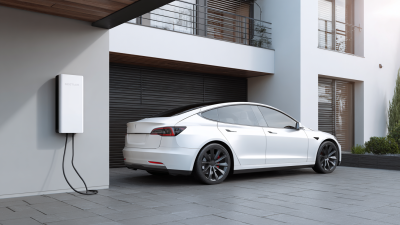
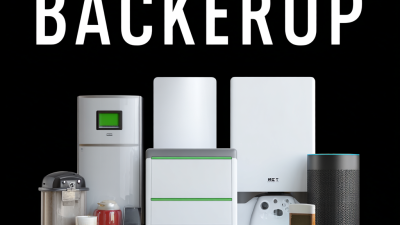
You know, in today’s world, having reliable energy isn’t just a luxury anymore — it’s pretty much essential. With all these crazy weather events and sudden power outages popping up more often than we’d like, it’s a smart move for homeowners to invest in dependable energy solutions. One of the best ways to keep the lights on when stuff hits the fan is by considering a Home Battery Backup system.
Basically, these systems let you store up energy so you’ve got power for the essentials—like your fridge, lights, or even your Wi-Fi—during an outage. Companies like Tesla, LG Chem, and Sonnen are really leading the charge with some pretty innovative options. Not only do these backups keep you going when the grid's down, but they can also help you save on energy costs in the long run. The only thing is, with all the choices out there, it can feel kinda overwhelming trying to pick what’s best.
And let’s be honest, figuring out exactly what your home needs isn’t always straightforward. Every household is different, and what works well for one family might not do the trick for another. So, before you jump into buying something, it’s really worth taking the time to evaluate your energy use. That way, you can make a smarter choice—one that boosts your home’s energy resilience and saves you from future regrets. Trust me, a little research can go a long way!

Understanding Home Battery Backup Systems
Home Battery Backup systemsare essential for energy resilience. They store excess electricity generated by Solar Panels or the grid. During power outages, these batteries provide backup power tocritical loads. This ensures your home remains functional. Backup systems can range in size, from small units to larger setups that power entire homes.
When selecting a home battery, consider your energy needs. Assess how much power you consume daily. Some systems are easier to install, but may not be sufficient for larger homes. Look for options that offer good warranties and performance data. It's crucial to understand your local electricity rates. This knowledge can help in determining the cost-effectiveness of your choice.
Regular maintenance of battery systems is often overlooked. Keeping your batteries in optimal condition can extend their lifespan. Additionally, it's wise to stay informed about safety guidelines. Improper usage can lead to failures or hazards. The technology continues to evolve, making it a dynamic field. Seek advice from energy experts if needed. Investing in a reliable system can significantly improve your home's energy independence.
Key Features to Consider in Battery Backup Solutions
When selecting a home battery backup solution, key features are essential for energy resilience. Look for systems with high energy capacity. This typically means larger batteries that store enough energy for essential appliances. Consider the charging speed as well. Faster charging enables quicker readiness during an outage.
Additionally, compatibility with renewable energy sourcesis important. A home Energy Storage System (HESS) should integrate seamlessly with solar panels. This ensures that the stored energy comes from clean sources. Evaluate the system’s lifespan as well. A longer battery life will provide reliability and save money in the long run.
Don’t overlook the importance of monitoring features. Real-time data on energy consumption can provide valuable insights. Specific functionalities might be lacking in some systems. Some may not offer the best interface for tracking energy use.
Ultimately, investing in a robust system requires careful consideration. Weighing these factors can lead to better choices for your home. Look for solutions that meet your unique energy needs and prioritize efficiency.
Comparative Analysis of the Top 10 Home Battery Systems
In recent years, home battery backup systems have gained popularity. They provide a reliable energy source during outages. A recent report indicates that the demand for residential energy storage has grown by 81% in the past year alone. This shift reflects a desire for increased energy resilience.
When analyzing the top 10 home battery systems, several factors come into play. Capacity, efficiency, and charging speed are key metrics for homeowners. For instance, efficiency ratings range from 80% to 95%. Higher efficiency means less energy waste, directly impacting cost savings. Homeowners are more frequently choosing systems with at least a 10 kWh capacity, enough to power essential appliances.
However, some challenges persist. Installation can be complex, requiring professional assistance. Additionally, initial costs are high. A typical home battery system can start at $7,000, making return on investment a consideration for many. Prospective buyers should calculate their average usage to ensure the system meets their needs effectively. Balancing cost and performance remains a critical reflection point for homeowners.
Installation and Maintenance of Home Battery Backup Solutions
Home battery backup solutionsare becoming essential for energy resilience. Installation requires careful planning and professional insight. A well-placed system can effectively store energy for use during outages. Proper placement near existing Electrical Systems can enhance efficiency. Studies show that around70% of homeowners report improved comfort and security after installation.
Maintenance is equally important. Regular checks can prevent issues and ensure longevity. Typical maintenance includes battery testing and software updates. Many systems alert homeowners to any performance drops. Neglecting maintenance can lead to reduced efficiency over time. According to industry reports, battery systems can lose up to 20% of their capacity without proper upkeep.
Solar Battery Storage offers an opportunity for homeowners to go green while ensuring energy security. Integrating these systems requires not just technical knowledge but also regulatory awareness. Some regions require permits. Understanding local policies can streamline the installation process. However, the initial investment can be daunting, deterring many from making the leap.
Cost Considerations and Financial Incentives for Battery Systems
When considering Battery Energy Storage Systems (BESS), cost is a significant factor. The initial investment can be high. Prices vary depending on capacity, technology, and brand. Homeowners must assess their energy needs accurately. A detailed evaluation helps in choosing the right capacity. It's essential to factor in installation costs and potential maintenance. These aspects can add to the overall financial commitment.
Financial incentives can alleviate some of the burden. Many regions offer tax credits or rebates for battery systems. These incentives can significantly reduce upfront costs. Additionally, local utility programs may provide benefits for installing energy storage. Homeowners should research these options. Understanding local policies is crucial for maximizing savings. However, not all markets provide the same level of support. This inconsistency can lead to frustration.
Financing options are available for many homeowners. Loans or lease programs help spread the cost over time. This approach makes investing in a BESS more manageable. Yet, it’s essential to read the fine print. Some financing alternatives come with hidden fees. Preparing a budget accounts for these potential obstacles. Balancing immediate costs against future savings is a wise practice.
Top 10 Home Battery Backup Solutions for Better Energy Resilience
Real-World Performance: User Experiences and Reviews
In recent years, home battery backup systems have gained immense popularity. User experiences highlight their effectiveness during power outages. Many homeowners report significant peace of mind knowing their backup systems can maintain essential functions.
According to a recent energy resilience report, over 30% of users noted improved energy independence. However, some faced installation challenges or unexpected costs.
Tips: Always assess your home’s energy needs before purchasing. Understanding your usage patterns can help avoid overspending on unnecessary capacity. Seek professional installation if you’re unsure. Missteps in setup can lead to performance issues.
Users have shared mixed reviews on the performance during prolonged outages. While some systems seamlessly supported critical devices, others fell short, leaving users frustrated. A survey revealed that 25% of respondents experienced reduced battery life in heavy usage scenarios. Investing in high-quality batteries and regular maintenance can mitigate some of these drawbacks.
Tips: Regularly check battery health and update system software. This can enhance performance and extend lifespan. Engage with user communities online for tips. Sharing experiences can provide valuable insights and improve your system's effectiveness.
Future Trends in Home Battery Backup Technology
Home battery backup technology is evolving rapidly. As more households seek energy independence, the demand for more efficient storage solutions increases. Innovations focus on higher capacity and faster charging, making them crucial during outages. Better energy resilience is essential as power grids face more disruptions.
Integration with renewable sources is a key trend. Homeowners can utilize solar panels with battery systems to maximize output. This hybrid approach not only provides backup power but also lowers energy bills. However, there are challenges. Battery lifespan varies, and recycling remains an issue. Finding reliable installation and maintenance services can be complex.
Wireless connectivity is enhancing user experience. Smart systems allow for remote monitoring, optimizing power use easily. While these technologies are promising, some remain expensive and thus, out of reach for many families. Overall, home battery backup is progressing, but it still faces hurdles that require ongoing innovation and investment.
Top 10 Home Battery Backup Solutions for Better Energy Resilience
| Rank | Battery Capacity (kWh) | Power Output (kW) | Depth of Discharge (%) | Warranty (Years) | Average Price (USD) |
| 1 | 13.5 | 5.0 | 90 | 10 | 7000 |
| 2 | 10.0 | 4.6 | 80 | 15 | 6000 |
| 3 | 7.0 | 3.0 | 100 | 12 | 4500 |
| 4 | 15.0 | 7.5 | 85 | 10 | 9000 |
| 5 | 9.0 | 4.0 | 70 | 8 | 5000 |
| 6 | 12.0 | 6.0 | 95 | 12 | 8000 |
| 7 | 5.0 | 2.0 | 80 | 7 | 3000 |
| 8 | 11.0 | 5.5 | 90 | 10 | 7500 |
| 9 | 6.5 | 3.2 | 87 | 9 | 4200 |
| 10 | 8.0 | 4.2 | 75 | 11 | 5500 |
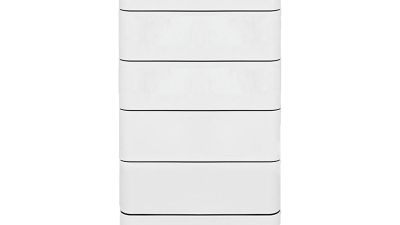
Harnessing the Future: The Advantages of S-ESS Stacked Lithium Battery Energy Storage Systems
The rise of energy storage solutions has ushered in a new era of sustainability, with stacked lithium battery energy storage systems (S-ESS) at the forefront. These systems are designed to harness renewable energy more effectively, addressing the challenges posed by intermittent energy sources like solar and wind. One of the most significant advantages of S-ESS is their ability to provide reliable backup power, ensuring that households and businesses maintain a steady energy supply during outages or peak demand periods. With their compact design, these systems can maximize energy storage capability while minimizing space requirements.
In addition to reliability, S-ESS promotes greater Energy Efficiency. By storing excess energy generated during peak production times, users can reduce their dependence on grid power, leading to lower electricity costs and diminished carbon footprints. Furthermore, these systems enable users to optimize their energy consumption patterns, utilizing stored energy during high-demand periods when electricity rates are elevated. The result is a more resilient energy infrastructure, fostering a transition towards greener practices and enhancing energy independence for communities and individuals alike.
FAQS
: They provide reliable energy during outages and increase energy independence for homeowners.
Homeowners often choose systems with at least a 10 kWh capacity for essential appliances.
Homeowners should assess energy needs, calculate average usage, and evaluate costs versus performance.
Yes, installation can be complex and often requires professional help to avoid performance issues.
Regularly check battery health, update system software, and engage with user communities for tips.
No, some users report frustrations with reduced performance after heavy usage periods.
There is a growing focus on combining solar panels with battery systems to maximize efficiency.
Users express concerns about high initial costs and battery lifespan, which can vary significantly.
Wireless connectivity allows for remote monitoring and optimizing of power usage effectively.
Ongoing issues include recycling challenges, finding reliable installation, and managing high costs for families.
Conclusion
Home Battery Backup systems have become essential for enhancing energy resilience in residential settings. Understanding these systems is crucial, as they provide a reliable source of electricity during outages. Key features to consider include capacity, efficiency, and integration with existing solar systems. A thorough comparative analysis of the top 10 home battery systems highlights their strengths and weaknesses, helping homeowners make informed decisions.
Installation and maintenance play a significant role in ensuring the optimal performance of Home Battery Backup systems. Cost considerations, along with available financial incentives, can influence the overall investment in these technologies. Real-world performance through user experiences and reviews offers valuable insights into satisfaction and reliability. As technology progresses, future trends will likely focus on improving efficiency, capacity, and affordability, making Home Battery Backup systems an integral part of modern energy solutions.