In today's super fast-paced industrial world, choosing between a Soft Starter and a Direct Online Starter can actually feel like a bit of a headache for buyers around the globe. It really pays off to understand the perks of a Soft Starter—it’s not just about making things easier but also about extending your motor's life. Still, a lot of companies tend to overlook these benefits when making their purchase decision.
Picture a manufacturing plant where motors keep breaking down unexpectedly. The culprit? Often, it’s the sudden starts that do a number on the equipment. That’s where a Soft Starter comes in handy—it helps get motors going smoothly and gradually, which can cut down on maintenance costs over time. But here’s the thing—some buyers hesitate because they think it’s complicated or too tricky to set up. It’s really worth taking a moment to think about the long-term savings and benefits versus the initial cost.
Going for a Soft Starter isn’t just about pushing your machinery better; it’s actually a smart move for overall efficiency. That said, companies should be careful not to dismiss the advantages without doing a bit of homework first. Getting familiar with the differences between Soft Starters and D.O. Starters can really help you make smarter, more informed decisions. In the end, understanding these devices isn’t just about starting motors — it’s about growing your business in a smarter, more sustainable way.
Understanding Soft Starters: Definition and Functionality
Soft Starters play a crucial role in controlling motor startup. They limit inrush current, reducing electrical stress on machinery. This is increasingly important in industries heavily reliant on electric motors, such as manufacturing and HVAC systems. Reports indicate that using soft starters can cut energy consumption by up to 30% during motor startup. This not only saves money but also extends equipment lifespan.
The functionality of soft starters is based on their ability to gradually ramp up motor power. This gradual increase minimizes mechanical shocks, which can lead to component failures. A study from the Institute of Electrical and Electronics Engineers (IEEE) highlights that nearly 40% of motor failures stem from abrupt starts and stops. Soft starters can help mitigate these issues effectively. They offer programmable settings that allow for customization based on specific operational needs.
However, while soft starters are beneficial, they are not without challenges. Users may misjudge the correct settings, leading to suboptimal performance. Installation can also be a complex process requiring skilled technicians. Understanding these factors is essential for global buyers. Proper training and installation protocols can maximize benefits and reduce risks associated with this technology.
Key Benefits of Soft Starters for Industrial Applications
Soft starters are vital for controlling industrial motor operations. They provide a gradual ramp-up of motor speed, reducing mechanical stress. According to the International Electrotechnical Commission (IEC), this feature can extend equipment lifespan by 30%. Such a reduction in wear and tear translates into fewer maintenance costs and less downtime.
Soft starters also improve Energy Efficiency.Studies show that smooth acceleration reduces energy spikes, which can account for up to 40% of overall energy consumption in large motors. By minimizing these fluctuations, facilities can optimize energy use. As a result, companies often see a notable decrease in their energy bills.
Tip: Regularly inspect soft starter settings to maintain efficiency. Monitoring this can ensure optimal performance.
Another benefit lies in its enhanced
operational safety. By limiting the current draw during startup, the risk of voltage sags in the electrical supply decreases. This is crucial in maintaining stable production conditions.
Tip: Implement a
monitoring system that tracks motor performance. This helps identify potential issues early, reducing the chance of failure.
While soft starters offer these benefits, not all applications may find them necessary. Assessing individual plant needs is important to avoid over-specifying equipment.
Balancing initial costs against potential savings requires careful evaluation.
Enhanced Equipment Longevity: How Soft Starters Help
Soft Starters are vital for enhancing equipment longevity. They control the voltage and current during startup. This gradual increase helps to minimize mechanical stress. Reducing the shock on gears and belts leads to less wear and tear. As a result, machines operate more efficiently and have a longer life cycle.
Implementing soft starters can save costs in the long run. Equipment that experiences less strain requires fewer repairs and less maintenance. Operators notice that machines run smoother, with fewer unexpected failures. Yet, achieving optimal setups can be challenging. It’s crucial to understand the specific requirements of each application.
While soft starters are effective, they are not foolproof. They require proper calibration for different environments. A poorly configured soft starter might still lead to issues, proving that even small errors can have lasting impacts. Users must carefully evaluate their systems and make necessary adjustments. Understanding these factors is key to maximizing the benefits of soft starters.
Energy Efficiency Gains: Cost Savings with Soft Starters
Soft starters are crucial for enhancing energy efficiency in Industrial Applications. According to a recent industry report, integratingAc Soft Starters can reduce energy consumption by up to 40% during motor startup. This leads to significant cost savings over time. Moreover, soft starters minimize inrush current, ensuring that Electrical Systems operate smoothly without unnecessary strain.
A study indicated that businesses adopting soft starters observed an average reduction in operational costs by 25% over five years. This demonstrates how these devices can deliver impressive ROI while promoting sustainability. Users often forget about the importance of gradual acceleration in extending motor life. Soft starters promote a gentle start, which can greatly reduce wear and tear on components.
However, not every system may benefit equally. It’s crucial to evaluate the specific needs of your operations before implementation. Some systems might experience diminishing returns if misapplied. Relying solely on soft starters without proper analysis could lead to unforeseen challenges. Thus, understanding both the benefits and limitations of AC soft starters is essential for making informed decisions.
Top 5 Soft Starter Benefits for Global Buyers Are You Aware? - Energy Efficiency Gains: Cost Savings with Soft Starters
| Benefit | Description | Potential Cost Savings (%) | Energy Efficiency Improvement |
| Reduced Starting Current | Soft starters limit inrush current during motor start, reducing electrical stress. | 20-40% | Improved overall system efficiency. |
| Lower Energy Consumption | Decreased energy use during the startup phase, leading to lower utility bills. | 15-30% | Enhances sustainability efforts. |
| Extended Equipment Life | Soft starters reduce mechanical stress, prolonging motor and drive life. | 10-25% | Minimized maintenance costs. |
| Reduced Noise Levels | Quieter operation during startup compared to direct-on-line starting methods. | N/A | Improved work environment. |
| Enhanced Control | Offers greater control over motor starting and stopping processes. | N/A | Facilitates smoother operations. |
Reduction of Inrush Current: The Technical Advantage
In the realm of industrial automation, the reduction of inrush current is a crucial benefit of soft starters, like the Abb Soft Starter. When motors start, they often draw a surge of current. This inrush can be five to seven times higher than normal running current. Such spikes lead to mechanical stress and can damage equipment over time.
By using a soft starter, the startup current is gradually ramped up, minimizing strain on the electrical system. This controlled acceleration prevents immediate overloads. The technical advantage lies in protecting machinery.
Equipment lifespan increases, leading to fewer unplanned outages. Yet, there can be gaps in understanding these benefits. Some users may overlook maintenance needs and software updates.
It's vital to reflect on the installation process. Proper settings and adjustments greatly impact performance. If users neglect the customization of parameters, they may not achieve the expected efficiency. Hence, while Abb Soft Starter offers tangible advantages, users must remain diligent.
Regular assessments help ensure ongoing reliability and optimal operation.
Improved System Performance: Soft Starters in Action
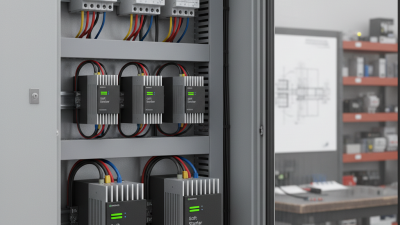
Soft starters play a crucial role in enhancing system performance across various industrial applications. By regulating the torque and starting current, they prevent mechanical strain on equipment. This helps to extend the lifespan of machinery and reduce maintenance costs. Many users have observed smoother starts and stops in motors when using a Soft Starter Panel, which leads to improved operational efficiency.
When it comes to system performance, the impact of soft starters cannot be overstated. They facilitate gentle acceleration, minimizing the stress on mechanical components. This feature is particularly beneficial in processes requiring precise control. However, some users may find it challenging to fully utilize the capabilities of their soft starter systems. Understanding the specific needs of their applications is crucial for maximizing benefits.
While soft starters provide significant advantages, they require thoughtful integration. Users must consider motor specifications and operational demands. A soft starter panel should be selected based on these parameters to ensure optimal performance. Some users may encounter compatibility issues or performance gaps if they overlook critical details. Therefore, taking time to evaluate the system requirements is essential for achieving the best results.
Global Market Trends: The Adoption of Soft Starters Worldwide
The global market for soft starters is witnessing significant growth. According to a recent report by MarketsandMarkets, the soft starter market is projected to reach $3.5 billion by 2026. This growth is driven by the increasing demand for energy-efficient solutions in various industrial sectors.
As industries strive for sustainability, soft starters offer reduced energy consumption during motor startup. They also minimize mechanical stress on equipment. This leads to longer equipment lifespans and lower maintenance costs. The integration of soft starters in HVAC systems and pump applications is rising. This reflects a broader trend towards smarter energy consumption practices.
However, awareness of their benefits remains inconsistent among businesses worldwide. Many organizations still rely on traditional starting methods. This approach can lead to higher energy losses. Without proper education, the potential impact of soft starters on energy savings and operational efficiency may go unnoticed. Industry leaders must emphasize the importance of soft starters for improving performance and cutting costs.
Top 5 Soft Starter Benefits for Global Buyers
This chart illustrates the top five benefits of soft starters as recognized by global buyers. These benefits emphasize energy efficiency, reduced wear on equipment, improved operational efficiency, better control over motor starting, and cost savings. The data reflects trends based on global market analysis.
Exploring the Impact of SHMV-YTG Medium Voltage Soft Starters on Industrial Energy Efficiency: Insights from Recent Sector Reports
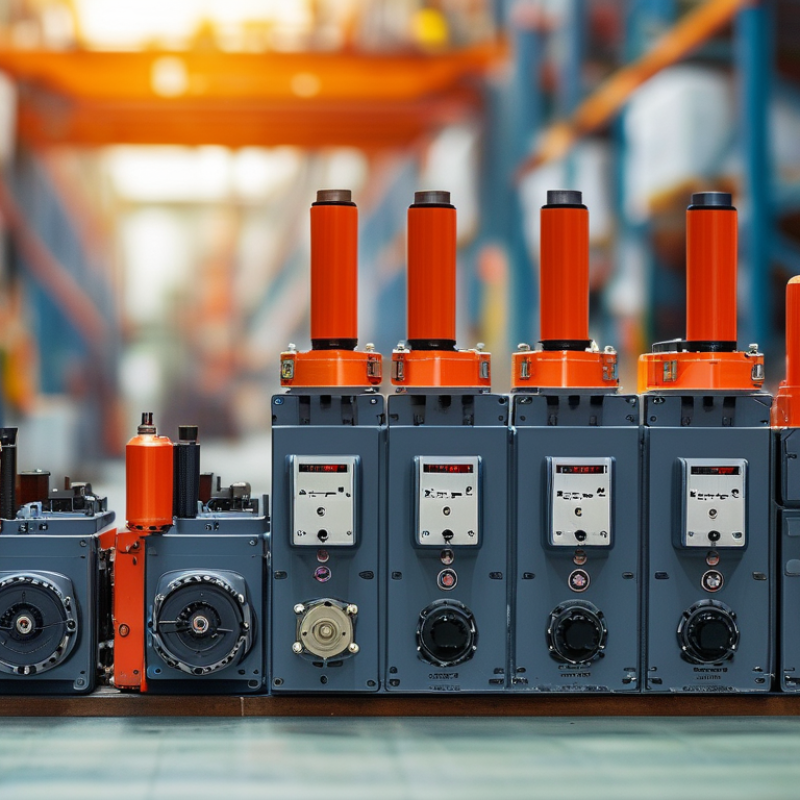
The implementation of medium voltage soft starters, such as the SHMV-YTG series, has revolutionized energy efficiency in industrial sectors. These advanced electrical devices are engineered with cutting-edge digital microprocessor control technology and modern power electronic controls, contributing significantly to optimal motor performance. The SHMV-YTG soft starters not only facilitate a smooth and gradual start for medium to high voltage motors but also offer a sophisticated step-down current limiting method. This capability is crucial for minimizing voltage drops and reducing both current and mechanical shocks during the startup phase, which in turn enhances the overall lifespan and reliability of the equipment.
Moreover, the versatility of the SHMV-YTG series soft starters allows them to adapt dynamically to various load conditions. This adaptability ensures that the motors are initiated with the least amount of current necessary for a successful start, thereby improving energy efficiency across diverse industrial applications. Additionally, the soft stop functionality provided by these devices ensures that the motor can be gradually brought to a halt with a controllable voltage, further mitigating potential electrical and mechanical stress. As industries continue to focus on enhancing energy efficiency, the role of advanced soft starters like the SHMV-YTG series will undoubtedly be pivotal in driving sustainable operational practices.
FAQS
: Soft starters enhance equipment longevity by controlling voltage and current during startup, reducing mechanical stress.
They reduce wear and tear, leading to fewer repairs and maintenance, resulting in long-term cost savings.
No, each system's specific needs must be evaluated. Misapplication can lead to reduced benefits.
Soft starters can decrease energy use by up to 40% during motor startup, promoting energy efficiency.
Achieving optimal setups can be challenging. Proper calibration for different environments is essential for effectiveness.
Small errors in configuration can cause lasting issues, impacting the overall efficiency of the system.
Businesses using soft starters have seen an average reduction in operational costs by 25% over five years.
Lack of awareness about their benefits leads many to rely on traditional methods, resulting in higher energy losses.
Operators should evaluate their systems thoroughly to avoid unforeseen challenges and ensure proper application.
Yes, gradual acceleration greatly reduces wear on components, extending the motor's life and enhancing performance.
Conclusion
Soft starters are essential devices used in industrial applications to control the acceleration and deceleration of electric motors. By gradually ramping up the voltage, soft starters reduce inrush current, which can be significantly beneficial for protecting equipment and extending its lifespan. This technology not only enhances equipment longevity but also leads to substantial energy efficiency gains, resulting in cost savings for operators.
Moreover, the adoption of soft starters is growing globally, as they contribute to improved system performance across various applications. As industries continue to seek solutions for optimizing efficiency and reducing operational costs, understanding the key benefits of soft starters becomes increasingly important for global buyers. Their ability to provide smooth starts and stops leads to better overall functionality, making them an invaluable asset in modern industrial settings.