Leave Your Message
0%

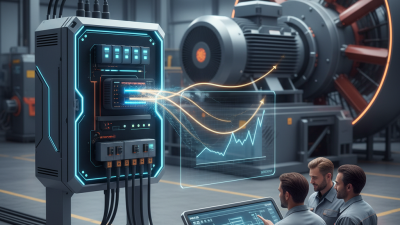
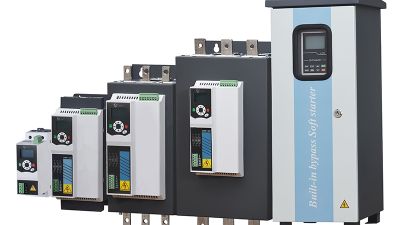
When you're dealing with industrial machinery, picking the right Electrical Soft Startercan really make a big difference in how well everything performs and runs smoothly. These Soft Starters are pretty much essential because they help control motor starts, which means less wear and tear over time. Plus, they can help prevent electrical issues down the line, making sure your equipment keeps running without a hitch. That said, with so many options available worldwide, it can get a bit overwhelming to choose the right one.

When you're shopping for an Electrical Soft Starter, quality should be your top priority. It’s a good idea to do some homework on reputable manufacturers. Brands like Allen-Bradley and Schneider Electric have tons of experience in this field and usually offer reliable solutions. But honestly, not all products are created equal—sometimes the cheaper options might lead to headaches or failures you weren't expecting. Checking out user reviews can be super helpful because they often highlight things you won't find in product specs.

And don’t forget, getting a handle on the technical specs is just as important. Pay close attention to details like voltage range and rated current. Some starters come with extra features like built-in Overload Protection, which sounds great, but it’s worth thinking about whether those extras are really necessary for your setup. Going for the fanciest options without considering your actual needs can sometimes just add unnecessary complexity. All in all, choosing the right Electrical Soft Starter isn’t always straightforward—it takes some careful research and a little bit of thinking to find the best fit for your situation.
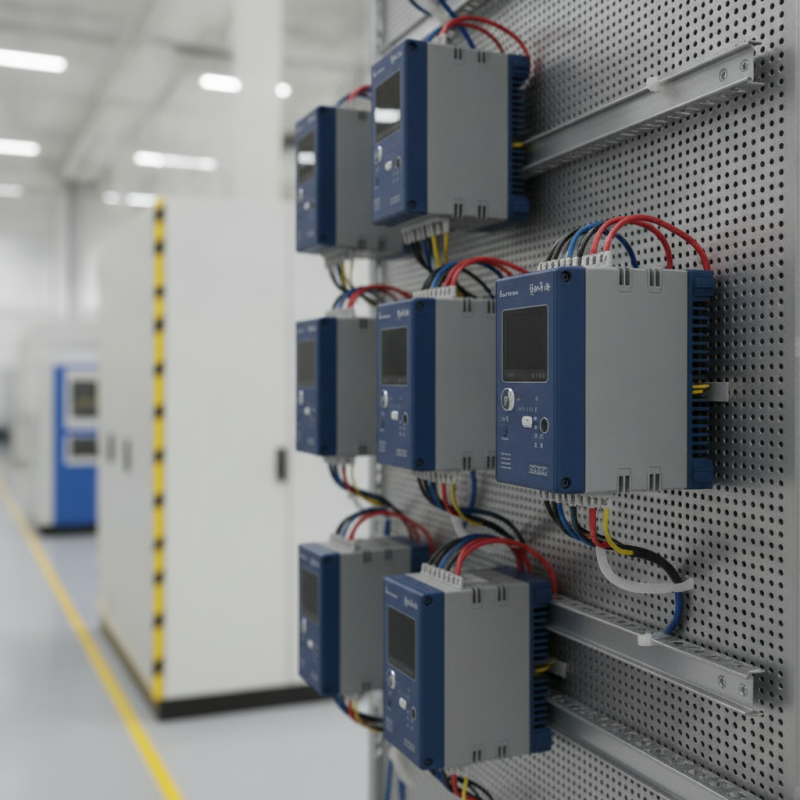
Top Electrical Soft Starter Tips for Global Buyers?

Top Electrical Soft Starter Tips for Global Buyers

When selecting electrical soft starters, global buyers should consider key factors. Soft starters help reduce inrush current, protecting motors and extending their lifespan. According to a recent report by the International Energy Agency, the global market for soft starters is projected to reach $1.5 billion by 2025. This trend indicates increasing reliance on energy-efficient Electrical Systems worldwide.

Tip #1: Evaluate compatibility with existing Electrical Systems. Ensure the soft starter fits your motor specifications. Mismatched components can lead to inefficiencies and potential damages. Consider environments where the soft starter will operate, as temperature and humidity levels may affect performance.

Tip #2: Look for user-friendly interfaces. Advanced features can enhance operation, but simplicity is crucial. Operators should easily understand the controls to avoid errors. Training may be necessary when new equipment is introduced.

Tip #3: Research after-sales support. Robust customer service is vital. A lack of proper support can lead to challenges during installation or maintenance. Some companies may promise great service but fall short once the sale is made. Due diligence is essential for long-term success.

Understanding Electrical Soft Starters: Functions and Benefits

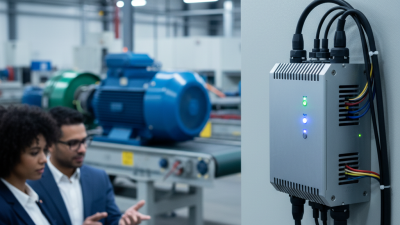
Electrical soft starters are crucial components in the operation of many Electrical Devices. These devices help manage the startup phase of electric motors by reducing voltage and current surges. This controlled approach minimizes mechanical stress and enhances the lifespan of the motor and related equipment. Many industries benefit from the smooth startup, especially where heavy machinery is involved.

Understanding the functions and benefits of electrical soft starters is essential for global buyers. They reduce energy costs and prevent electrical disturbances that can disrupt other equipment. Many buyers have seen improvements in overall system reliability after implementing these devices. Yet, some mistakenly underestimate the importance of proper installation and settings. Incorrect configurations can lead to overheating or insufficient motor performance.

Incorporating electrical soft starters can lead to serious energy saving opportunities. Nevertheless, users should be aware of the necessity for ongoing maintenance and monitoring. This is often where challenges arise. Finding reliable suppliers who understand the specific needs of different industries can make a significant difference. It's not just about buying; it's about the long-term relationship and support for your electrical devices.

Key Specifications to Consider When Selecting Soft Starters

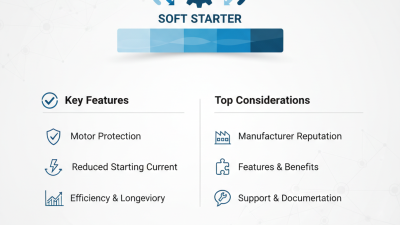
When selecting a soft starter, buyers must pay attention to key specifications. Voltage rating is vital; it determines the operational capacity. Make sure the soft starter matches your motor’s voltage. Another aspect is current rating. This impacts the ability to handle the load without overheating. Verify the phase configuration, whether you're dealing with single-phase or three-phase systems.

Consider the starting method. Some soft starters offer ramp-up and ramp-down capabilities. These features help prevent mechanical shock, enhancing equipment lifespan. Also, think about built-in protection features. Overcurrent protection and thermal overload options are essential. These safeguards can prevent damage and reduce maintenance costs.

Buyers should evaluate control options. Advanced models facilitate remote monitoring and integration with automation systems. This boosts efficiency but might complicate operations for some users. Keep in mind, features can also raise costs. Balancing functionality with budget constraints is essential. Finally, reflecting on your specific needs can lead to better choices. Understanding what works best for your operational circumstances is crucial.

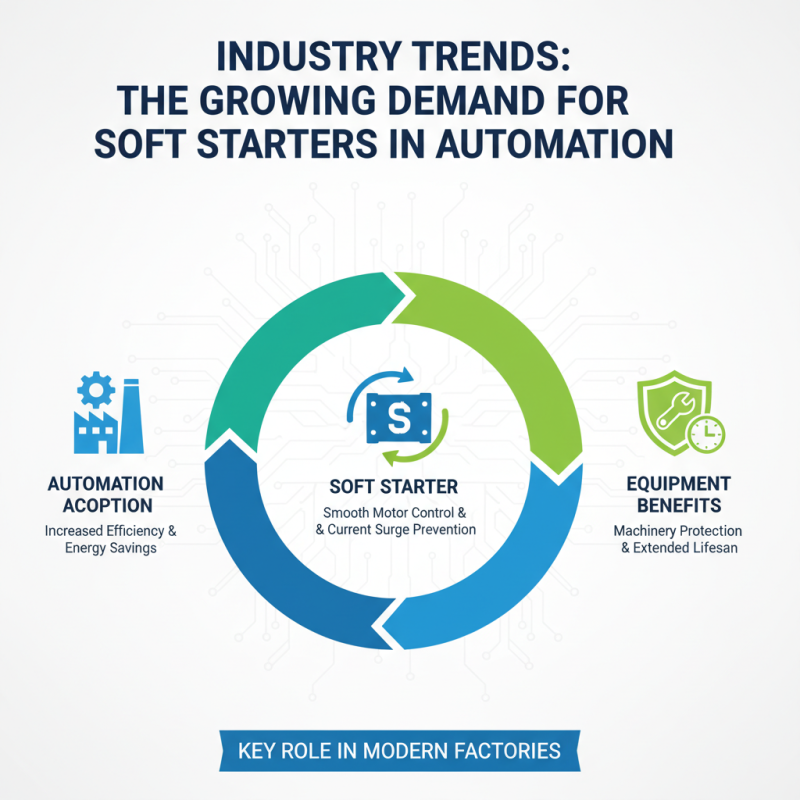
Industry Trends: The Growing Demand for Soft Starters in Automation

Top Electrical Soft Starter Tips for Global Buyers?

The demand for soft starters is on the rise in the automation industry. These devices facilitate smooth motor control, preventing sudden surges of current. This is crucial for protecting machinery and extending equipment life. More factories are embracing automation to boost efficiency and reduce energy costs. Soft starters play a vital role in this transition.

Many global buyers are now seeking high-quality soft starters. They provide precise control over startup torque and speed, reducing mechanical stress on motors. However, some buyers overlook the compatibility of soft starters with existing systems, which can lead to performance issues. Proper integration is essential for maximizing benefits, and it's an area that needs more attention.

The growing focus on sustainability further fuels the soft starter market. Companies are seeking solutions that lower energy consumption and minimize environmental impact. However, the challenge lies in finding effective products that meet these demands. Not all soft starters are created equal, and this can create confusion for buyers. Research is key to navigating these complexities effectively.

Comparative Analysis: Digital vs. Analog Soft Starters

When considering soft starters, buyers face a key decision: digital or analog. Each type has its own strengths and weaknesses. Analog soft starters are often simpler and more intuitive. They require less programming and are generally less expensive. However, their functionality may be limited when faced with complex applications.

Digital soft starters provide advanced features like programmable control and better efficiency. They can handle varying loads and conditions, offering precise control. Yet, this sophistication comes with higher costs and more intricate setups. For some buyers, the learning curve can be steep. Many users struggle with programming features that could optimize performance.

In the realm of Soft Starter Vs Direct Online Starter, it’s essential to weigh these options carefully. Direct online starters provide a straightforward, reliable means of starting motors. However, they subject motors to high inrush currents, which can lead to damage over time. Soft starters mitigate this issue, creating a smoother startup. But cost and complexity remain barriers for some users. Making the right choice requires careful thought, especially considering the specific needs and capacities of your application.

Cost-Benefit Analysis: Investment in Soft Starters for Industry

Investing in soft starters can yield significant benefits for industries. One key advantage is the reduction in electrical and mechanical stress on machinery. This leads to longer equipment life and lower maintenance costs. When machines start smoothly, energy consumption decreases. Over time, these savings can outweigh the initial investment in soft starters.

However, the costs associated with integrating soft starters can vary. Some businesses may find the upfront price high. It's important to consider the overall operational savings. Initial expenditures can often be offset by reduced downtime and fewer repairs. Make sure to analyze these factors in detail before making a decision.

Certain industries might not see immediate returns. This can create uncertainty in the investment decision. It's valuable to evaluate real-world case studies for context. Learning from others' experiences can illuminate potential challenges and successes. Knowing the risks involved helps companies prepare better. A balanced perspective on costs and benefits is crucial for informed decision-making.

Top Electrical Soft Starter Tips for Global Buyers

Specification Benefits Cost Impact ($) Recovery Period (Months) Efficiency Improvement (%)
Voltage Rating Reduces electrical stress 500 6 20
Current Control Enhances motor performance 700 8 25
Soft Start Time Prevents mechanical shock 300 4 15
Integrated Protection Features Increases system reliability 600 7 30

Common Challenges and Solutions in Sourcing Soft Starters Globally

Sourcing Soft Starters globally comes with unique challenges. Buyers often face variations in manufacturing standards across different regions. Quality control can be inconsistent, leading to unreliable products. This inconsistency can especially affect performance in demanding applications. Many buyers need assurance of product integrity before making significant investments.

Another challenge is navigating international regulations. Each country may have specific compliance requirements for electrical components. This can create confusion for buyers who are unfamiliar with local regulations. Missteps can result in delays or additional costs, complicating the sourcing process. It is vital to research these regulations thoroughly to avoid pitfalls.

Pricing variations add another layer of difficulty. What seems affordable in one region can be prohibitively expensive in another. Market fluctuations may affect the cost of materials and production. Buyers must analyze pricing strategies to ensure competitiveness. Reflecting on these complexities often highlights the importance of building strong supplier relationships. Effective communication can ease many challenges, fostering reliability and trust in the sourcing of Soft Starters.

Enhancing Energy Efficiency: Analyzing the Impact of SHR6E Intelligent Motor Soft Starter in Industrial Applications

The demand for energy efficiency in industrial applications is more pressing than ever, driven by the need to reduce operational costs and carbon footprints. A significant advancement in this arena is the introduction of intelligent motor soft starters, which offer sophisticated control over electric motors during the start-up phase. One such innovation is the SHR6E soft starter, which is designed to enhance energy efficiency through its cutting-edge features.

The SHR6E employs adaptive control technology, allowing for precise management of both the acceleration and deceleration curves of motors. This level of control not only minimizes mechanical stress on the motor and connected equipment but also contributes to lower energy consumption during operations. According to a recent industry report, effective soft starting techniques can improve energy efficiency by as much as 30% in certain industrial settings. This indicates a significant potential for cost savings, which is crucial for manufacturers aiming to maintain competitiveness in an increasingly energy-conscious market.

Furthermore, the user-friendly interface and quick-setting options of the SHR6E enable operators to customize parameters to match specific application requirements, thereby optimizing performance across various industrial environments. As industries continue to seek innovative strategies to enhance productivity while achieving sustainability goals, the adoption of advanced soft starter technologies like the SHR6E can play a pivotal role in driving efficiency and operational excellence.

FAQS

: What are soft starters, and why are they important in automation?

: Soft starters help control motor startup smoothly, reducing sudden current surges. They protect machinery and enhance its lifespan.

How do soft starters contribute to sustainability?

They lower energy consumption and minimize environmental impact. However, finding effective options is often challenging for buyers.

What are some benefits of investing in soft starters?

They reduce electrical and mechanical stress, prolonging equipment life and lowering maintenance costs, leading to potential long-term savings.

Are there challenges in sourcing soft starters globally?

Yes, buyers face inconsistent manufacturing standards and quality control, which can lead to unreliable products.

How do international regulations affect sourcing soft starters?

Different countries have specific compliance requirements. Misunderstandings can cause delays and increase costs, making thorough research vital.

Why might the initial investment in soft starters seem high?

The upfront cost might be steep, but operational savings can offset it over time through reduced downtime and repairs.

What is a common mistake buyers make when selecting soft starters?

Overlooking compatibility with existing systems, which may lead to performance issues. Proper integration is essential for effectiveness.

How can businesses prepare for potential investment uncertainties?

Evaluating real-world case studies helps understand challenges and successes, aiding informed decision-making regarding soft starters.

Why is effective communication important in sourcing?

Strong supplier relationships can overcome many sourcing challenges, ensuring reliability and fostering trust in product quality.

What should buyers analyze when considering soft starters?

They need to evaluate costs, benefits, and real-world experiences, cultivating a balanced view for better decision-making.

Conclusion

This article provides invaluable insights for global buyers seeking to understand and invest in Electrical Soft Starters. It begins with an overview of the functions and benefits of soft starters, emphasizing their role in enhancing efficiency and reducing mechanical stress in electrical systems. Buyers are guided through essential specifications to consider, ensuring informed purchasing decisions tailored to specific industry needs.

The discussion extends to current industry trends, highlighting the rising demand for Electrical Soft Starters in automation processes. A comparative analysis between digital and analog soft starters is presented, along with a detailed cost-benefit analysis to underscore the long-term advantages of investing in these devices. Finally, the article addresses common challenges faced during global sourcing and offers practical solutions, equipping buyers with the knowledge necessary to navigate the international marketplace effectively.
Benjamin

Benjamin

Benjamin is a dedicated marketing professional at Zhejiang Shuoshi Electric Technology Co., Ltd., where he plays a vital role in promoting the company's commitment to energy-saving, emission-reducing, low-carbon, and environmentally friendly high-tech products. With a deep understanding of the......
Previous Top 10 Wholesale China Industrial VFD Products You Need to Know?