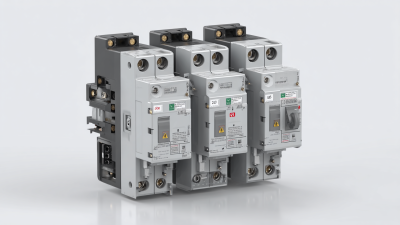
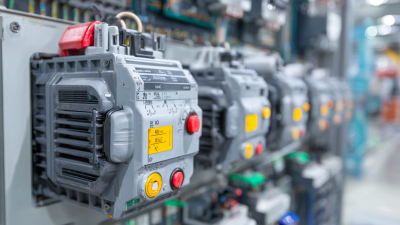
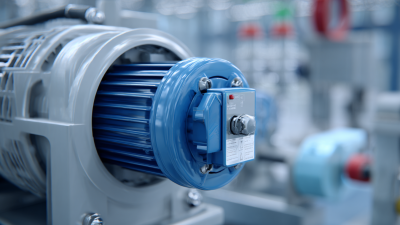
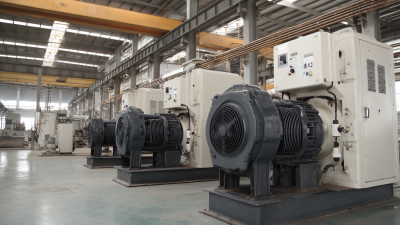
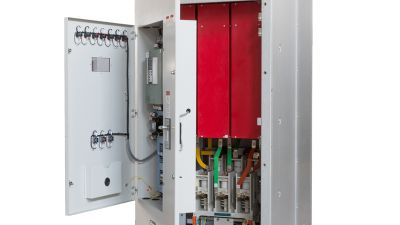
When you think about adding ABB Soft Startersinto your industrial setup, you'll start to see some pretty cool benefits. These devices are really good at managing how electric motors kick into gear. Basically, they help cut down on those huge inrush currents that can stress out your equipment or cause electrical hiccups. Using Abb Soft Starters can actually make your operations smoother and help keep your machinery safe and happy.
One thing people really appreciate is how these starters can help with energy management. When motors start up, they often draw a spike of energy—these starters help minimize that, saving you money and giving a little boost to your sustainability efforts too. Plus, one thing you can count on with ABB Soft Starters is their durability. They’re built tough, so your operations keep running without waiting around for repairs and downtime.
That said, it’s also worth noting that installing and maintaining these devices isn’t just plug-and-play. Proper training is key—at first, it might seem a bit overwhelming, but think of it as an investment in your team’s growth. Taking the time to learn how they work really pays off over time. Overall, jumping into ABB Soft Starters can totally change the game when it comes to making your projects more efficient and reliable.
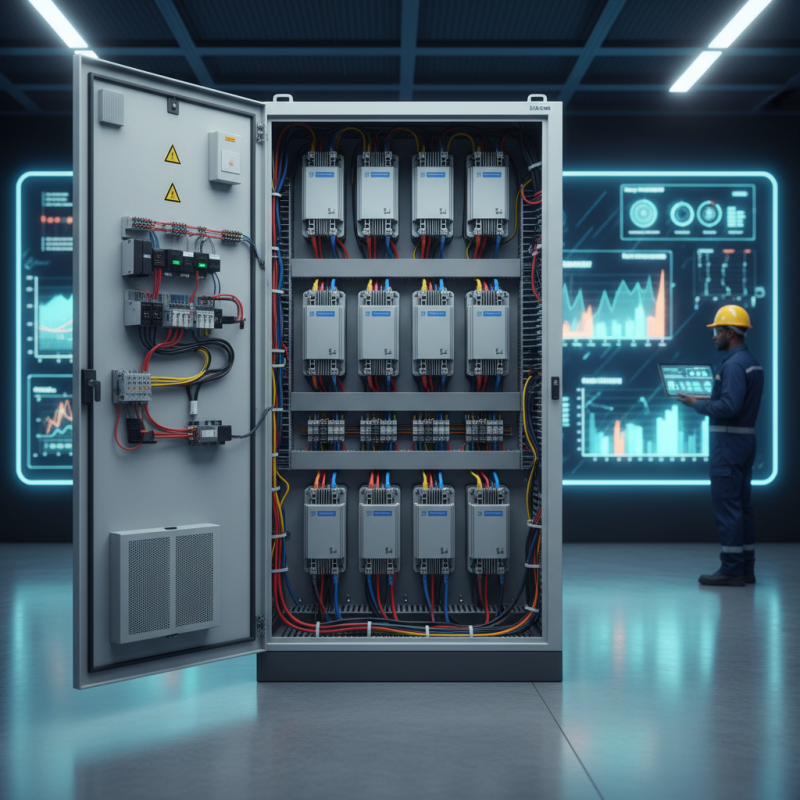
Benefits of Enhanced Motor Control with ABB Soft Starters
Enhanced Motor Control is essential for optimizing efficiency and prolonging equipment life. Using soft starters in motor applications can achieve smooth acceleration and deceleration, reducing mechanical stress on components. Studies indicate that incorporating soft starters can lead to energy savings of up to 30%. This translates to lower operational costs and extended motor lifespan, making it a worthwhile investment.
Installing soft starters improves operational safety. They help mitigate voltage spikes and prevent inrush currents that can damage equipment. Reports show that nearly 70% of motor failures are linked to mechanical stress and electrical overload. By implementing soft starters, businesses can decrease the risk of unexpected downtime and enhance reliability.
Tips for effective implementation include assessing the specific needs of your motor applications. Overlooked factors can affect performance, such as local environmental conditions and load characteristics. Regular maintenance checks are crucial, as they can reveal underlying issues before they escalate. Consider investing time in training your team on the functionality of soft starters, as knowledge gaps can lead to improper use and missed benefits. Remember, even the best technology requires thoughtful integration into your existing systems.
Reduction of Mechanical Stress on Equipment and Systems
Using soft starters can significantly reduce mechanical stress on equipment and systems. When machinery starts up, it experiences a surge of current and torque. This sudden impact can lead to premature failures in components and higher maintenance costs. By controlling the acceleration and deceleration of motors, soft starters minimize these shocks. As a result, equipment longevity increases, contributing to overall system reliability.
Tips for engineers: Consider integrating soft starters in your design phase. Evaluate the specific needs of your machinery to choose the right settings. Underestimating the value of gradual starts can lead to unexpected repairs and downtime. Monitor performance closely during initial operations to identify possible areas for improvement.
It's essential to remember that not every system will benefit equally from soft starters. Some applications might require different approaches, or traditional methods may suffice. Always review your options and weigh the benefits against potential downsides. Adjusting to new technology takes time, and ensuring every component works harmoniously is crucial.
Energy Efficiency Improvements Through Soft Starting Technology
Soft Starting technology has become increasingly vital in enhancing energy efficiency across various industries. By gradually ramping up the motor speed, soft starters minimize the initial inrush current that can lead to unnecessary energy consumption. According to a report by the International Energy Agency, reducing inrush current can save up to 30% in energy costs for large motor applications. This reduction not only lowers operational expenses but also extends the lifespan of equipment.
Adopting ABB soft starters significantly impacts operational efficiency. For example, an investigation by the Electric Power Research Institute highlighted how soft starters contribute to smoother start-ups. This results in reduced mechanical stress on motors and less wear over time. Many facilities have reported noticeable decreases in maintenance costs, with some seeing reductions exceeding 20%.
However, the reliance on soft starting technology isn't without challenges. Proper configuration is essential to truly optimize energy efficiency gains. Overlooking settings may lead to inefficiencies and heightened wear on mechanical components. Addressing these nuances is crucial to maximizing the benefits offered by soft starting systems.
Top 10 Benefits of Using Soft Starters for Your Projects
| Benefit | Description | Impact on Energy Efficiency |
| Reduced Inrush Current | Soft starters limit inrush current during motor start, protecting the motor and electrical system. | Enhances energy efficiency by minimizing energy spikes. |
| Improved Motor Lifespan | Gradual acceleration reduces wear and tear on the motor components. | Lower maintenance costs and reduced energy waste. |
| Lower Noise Levels | Soft starting reduces mechanical stress, resulting in quieter operation. | Less energy wasted in combating noise, improving efficiency. |
| Enhanced System Reliability | Minimizes electrical and mechanical stresses, improving system reliability. | Increased efficiency due to less downtime and maintenance. |
| Energy Savings | Soft starters can optimize power consumption during startup phases. | Direct correlation to lower energy bills. |
| Settable Start and Stop Profiles | Flexibility in controlling motor speeds during start and stop. | Improves process efficiency and energy usage. |
| Protection Against Overload | Included overload protection prolongs equipment life. | Results in fewer outages and energy losses. |
| Reduced Maintenance Needs | Less frequent mechanical wear translates to lower maintenance needs. | Optimizes operational efficiency and energy use. |
| Better Process Control | Improved control over mechanical processes enhances operational efficiency. | Reduced energy waste due to better control strategies. |
| Compatibility with Variable Speed Drives | Works well with other technologies to improve efficiency. | Enhanced energy performance in integrated systems. |
Simplified Installation and Integration in Various Applications
Soft starters simplify installation and integration in various applications, making them a preferred choice in modern projects. They help manage the starting process of electric motors, reducing stress on mechanical components. This leads to improved longevity and reduced downtime, which are crucial factors for project success.
A study by the International Electrotechnical Commission indicated that effective motor control can improve energy efficiency by 20% or more. Integrating soft starters can help achieve this, especially in industries like manufacturing and HVAC. They allow for smoother transitions and minimize electrical inrush currents, which can lead to system instability.
While soft starters offer significant benefits, there are challenges. Some users find the initial setup complex. Training for staff on operating these systems may be necessary. Additionally, while they provide valuable control, they are not a one-size-fits-all solution. For certain applications, an Abb Vfd might be more suitable, especially where variable speed control is essential. Balancing the choice of technology with fundamental project requirements is crucial for optimal outcomes.
Protection Features for Increased Equipment Longevity
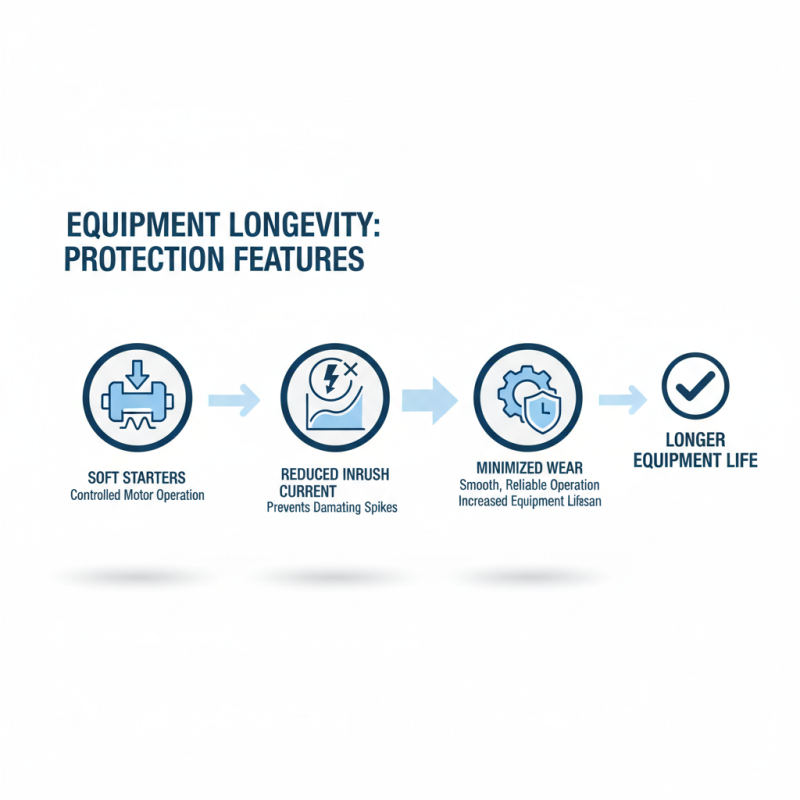
When considering equipment longevity, protection features are crucial. Soft starters offer a controlled approach to motor operation. They reduce inrush currents during start-up, preventing damaging spikes. This gradual ramp-up minimizes wear on components. As a result, machines operate smoothly and reliably over time.
Moreover, soft starters enhance protection against overload conditions. They monitor motor performance continuously. If a fault occurs, the soft starter can react quickly to reduce damage risk. This proactive approach can save significant repair and maintenance costs. Understanding the nuances of Soft Starter Vs Direct Online Starter highlights the benefits in safeguarding your machinery.
Investing in protective technology for your projects is wise. However, one must also evaluate specific project needs. Are soft starters necessary for all applications? It’s vital to weigh the advantages against potential drawbacks. Each project is unique, and the right choice varies based on individual requirements.
User-Friendly Interface for Easy Operation and Monitoring
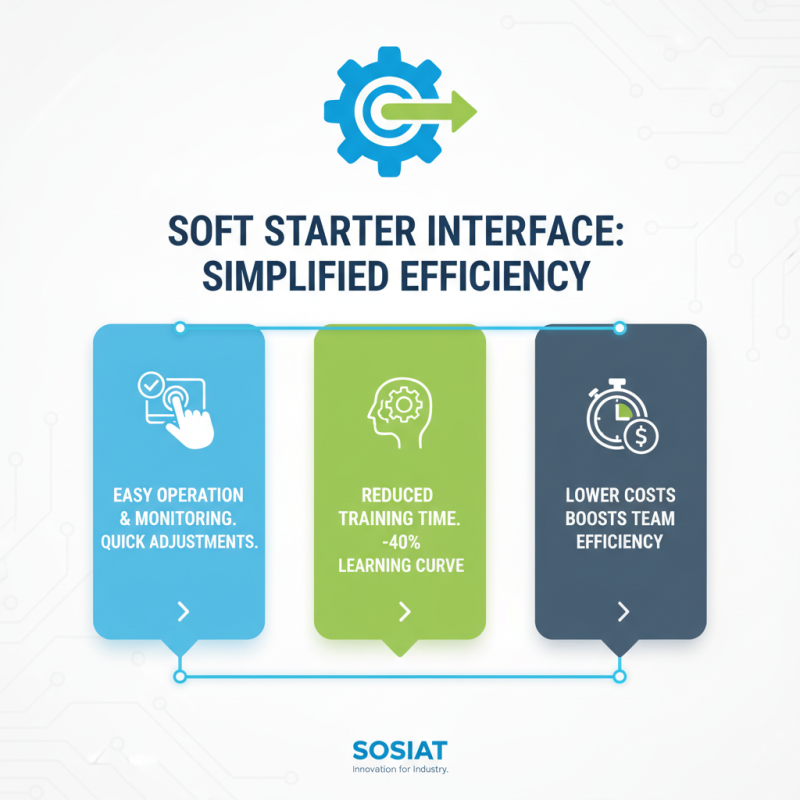
The user-friendly interface of modern Soft Starters significantly enhances operation and monitoring. Engineers often prefer devices that allow for quick adjustments. A simplified design ensures minimal training time, reducing costs. According to industry studies, user-friendly software can lower the learning curve by nearly 40%. This aspect is crucial as teams strive for efficiency.
Real-time monitoring capabilities are essential. Operators appreciate visual displays that indicate motor status and performance metrics. This feature allows quick troubleshooting, which is vital when unexpected issues arise. A report from a recent industry survey highlighted that 75% of participants favor devices with intuitive dashboards. These insights show a clear preference for technology that aids in immediate decision-making.
However, not all systems achieve seamless usability. Some soft starters still require complex setup processes that may confuse new users. Additionally, integration with existing systems can pose challenges. Organizations should actively assess these drawbacks and seek solutions. Balancing advanced functions with ease of use remains an ongoing industry challenge.
Cost Savings Over Time with ABB Soft Starters in Projects
Investing in Ac Soft Starters can lead to significant cost savings over time. They reduce energy consumption during motor start-up, which can save up to 30% on energy costs. The reduced inrush current means less wear and tear on electrical components, prolonging the lifespan of machines and minimizing maintenance costs. According to industry studies, projects using soft starters report a 15% decrease in operational costs over five years.
Implementing ABB Soft Starters not only cuts energy bills but also improves system reliability. A smoother start translates to fewer mechanical failures. This can avoid unexpected downtimes, which are often expensive. The average cost of downtime for manufacturing companies can reach $260,000 per hour. Effective soft start technology mitigates this risk, ensuring that operations run smoothly.
Tips: Monitor energy use monthly. Tracking small changes can signal larger savings. Evaluate maintenance schedules; proactive measures can help reduce unexpected failures. Cost benefits, however, may vary based on application and installation practices. Evaluating the specific needs of each project ensures the best outcomes. Careful analysis during the selection process leads to better long-term savings.
Optimizing Motor Performance: A Comprehensive Guide to Medium and High Voltage AC Motors with Solid-State Soft Starter Cabinets
Medium and high voltage AC motors play a crucial role in various industrial applications, requiring robust and efficient starting solutions to enhance their performance while minimizing electrical stress. The use of solid-state soft starters, such as the SHMV-DN series, has emerged as a significant advancement in motor control technology. These devices utilize third-generation digital microprocessor control and modern power electronics to optimize the start and stop processes of large motors, ultimately extending their lifespan and operational efficiency.
One of the primary advantages of solid-state soft starters is their ability to manage current during the motor starting phase. Traditional starting methods can lead to substantial voltage drops in the power supply, resulting in adverse effects on equipment and operations. In contrast, solid-state soft starters provide a step-down current-limiting feature, facilitating a smooth acceleration while reducing the inrush current to the minimum required for starting. Reports indicate that effective soft starting can decrease mechanical and electrical impacts by up to 50%, ensuring a smoother integration into the power grid and enhancing the operational reliability of the motor systems.
Furthermore, the advanced control features of modern soft starter cabinets allow for adaptability to various load conditions. This flexibility is essential to achieve optimal starting effects tailored to specific applications, ranging from pumping and fans to conveyors and crushers. The ability to implement a controlled voltage drop during the stopping phase further enhances the system’s reliability, providing a seamless stopping process that minimizes wear and tear on both the motor and adjacent machinery. As industries increasingly prioritize efficiency and performance, the adoption of solid-state soft starters represents a forward-thinking solution in maximizing the effectiveness of medium and high voltage AC motors.
FAQS
: Enhanced motor control optimizes efficiency and prolongs equipment life through better acceleration and deceleration.
Soft starters reduce mechanical stress and can save up to 30% on energy costs, extending motor lifespan.
They mitigate voltage spikes and prevent inrush currents, reducing the risk of equipment damage.
Nearly 70% of motor failures are associated with mechanical stress and electrical overload.
Regular checks identify potential issues early, helping to prevent unexpected shutdowns and failures.
Teams should learn soft starter functionality to avoid improper use and maximize benefits.
Monthly monitoring can reveal small changes that indicate larger, cumulative savings over time.
It can reduce downtime, which can be very costly for businesses, averaging $260,000 per hour.
Local environmental conditions and load characteristics are crucial for optimal performance.
Yes, savings depend on the specific application and installation practices, requiring careful evaluation.
Conclusion
The use of ABB Soft Starters in projects offers numerous benefits that enhance overall motor control and performance. These devices significantly reduce mechanical stress on equipment and systems, leading to improved longevity and reliability. With their soft starting technology, ABB Soft Starters promote energy efficiency, reducing power consumption during startup phases and minimizing operational costs over time.
Additionally, ABB Soft Starters simplify installation and integration across various applications, making them a user-friendly solution for operators. Their intuitive interface ensures easy operation and monitoring, while built-in protection features further safeguard equipment from potential damage. Collectively, these advantages make ABB Soft Starters an excellent investment for achieving cost savings and operational efficiencies in any project.