Hey there! You know, in today's fast-changing industrial world, there’s an incredible push for energy-efficient and eco-friendly solutions like never before. Can you believe the global Industrial Automation market is on track to blow past $300 billion by 2025? That’s huge! It really makes the role of stuff like the Soft Starter Bypass Contactor super important. These little gadgets not only boost the performance of electric motors but also help knock down energy use and emissions quite a bit.
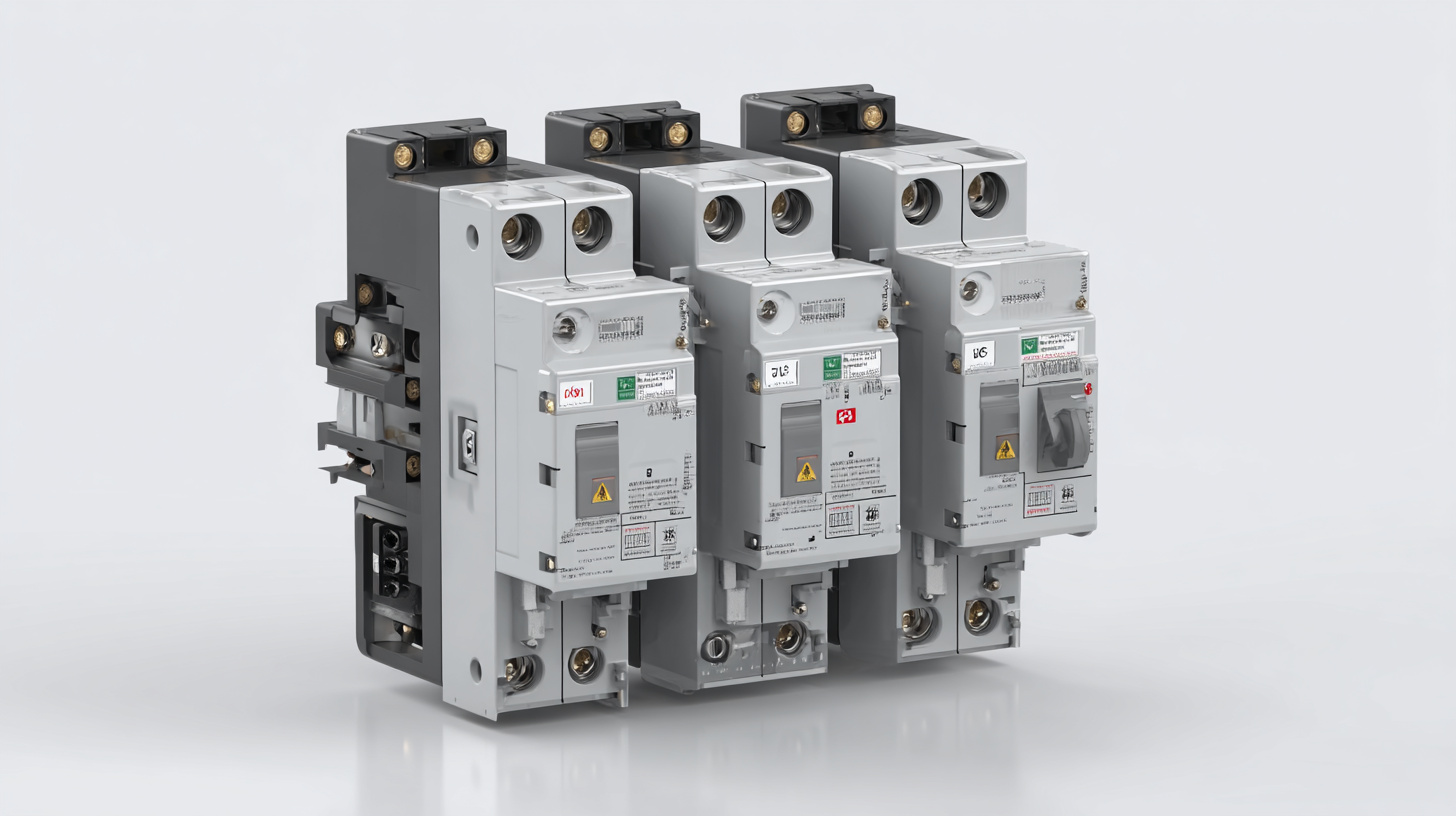
At Zhejiang Shuoshi Electric Technology Co., Ltd., we totally get how crucial it is to weave advanced tech into what we do. We’re all about providing top-notch industrial control automation solutions and are committed to rolling out high-tech, low-carbon products that fit right in with the global shift toward sustainability. So, this blog is here to be your go-to guide for understanding the best Soft Starter Bypass Contactors out there. We’ll dive into their key specs and installation tips to help industries move toward a greener future together.
Understanding Soft Starters: Functionality and Benefits in Industrial Applications
You know, soft starters really do a fantastic job when it comes to optimizing motor performance in industrial settings. They gently increase the voltage to the motor, which helps cut down those pesky inrush currents that can hit five to seven times the full-load current! A report from the International Electrotechnical Commission even mentions that using soft starters can relieve some of the mechanical stress on motors and their connected equipment. This means not only can they help extend the lifespan of your gear, but they can also knock down maintenance costs by as much as 30%. That's pretty impressive, right?
But that's not all! Soft starters also work wonders for Energy Efficiency. The U.S. Department of Energy estimates that if you lower the electrical demand during motor startup, you could save anywhere from 5 to 15% on energy costs. Talk about a win-win! Plus, these smart devices help reduce the wear and tear on belts, gears, and other parts, which is super important in industries like manufacturing and water treatment where keeping operations running smoothly is just essential. When facilities bring in soft starters, they often notice a smoother operation overall, better process control, and way less downtime, which is what everyone aims for.
Key Specifications of Soft Starter Bypass Contactors: Voltage Ratings, Current Capacity, and Efficiency
So, when you're looking into soft starter bypass contactors, getting a grasp of their key specs is really important if you want to use them effectively. One of the first things you need to check out is the voltage rating because it really impacts whether a contactor will work well in a particular setting. You’ll find common voltage ratings hanging around from 230V all the way up to 690V, which makes them pretty versatile for all sorts of industrial tasks. A recent study from the International Electrotechnical Commission showed that picking the right voltage can actually cut down on energy losses and boost reliability across the board.
But wait, there’s more! Another big point to think about is current capacity—it’s essentially how much load that soft starter bypass contactor can manage. Most of them can handle anywhere from 9A up to over 1000A, which gives you plenty of options for different systems. According to a report from the National Electrical Manufacturers Association, grabbing a contactor with the right current rating can ramp up efficiency by as much as 20%. That’s a serious cookie when it comes to slashing operational costs! And don’t forget about efficiency metrics—these are usually shown by something called the operational factor. It’s a snapshot of how well the contactor performs during both the startup and bypass phases. If you keep these specifications in mind, you’ll not only find a contactor that checks all the technical boxes, but also one that really helps extend the life and performance of your motor operations.
Soft Starter Bypass Contactors: Key Specifications Overview
A Comparative Analysis of Top Soft Starter Bypass Contactors: Performance Metrics and Reliability
Alright, so when you're on the hunt for a soft starter bypass contactor, there are a couple of key things you really need to keep in mind. Performance and reliability aren't just buzzwords; they’re vital if you want your setup to last and work efficiently. A good contactor does more than just handle the initial surge of current when you start up a motor. It's gotta be tough enough to handle all sorts of conditions too, right?
So, what do you actually look for? Well, first off, consider the response time, how long the contactor lasts through cycles, and its thermal ratings. You’ll be better off with a contactor that responds quickly to overloads, and if it’s made for a lot of use, you’ll probably want one that can take a beating without breaking down.
Now, if you dig into the top models out there, you’ll notice some pretty big differences in design and build quality that can really affect how reliable they are. For example, some have these fancy thermal management systems to keep things cool when the going gets tough, while others use materials that stand up to wear and tear or even corrosion. And let’s not forget about the reputation of the manufacturer! It really helps to check how they test their products because that can tell you a lot about reliability. So, by weighing all these factors, you can get a clearer picture of which soft starter bypass contactors are gonna fit your needs best. In the end, it’ll lead to better performance for your system and save you some bucks on maintenance down the line.
Comprehensive Guide to Best Soft Starter Bypass Contactors: Key Specs and Installation Tutorial
| Model | Voltage Rating (V) | Current Rating (A) | Total Power (kW) | Temperature Range (°C) | Installation Type | Estimated Lifespan (cycles) |
| Model A | 400 | 30 | 15 | -10 to +50 | Panel Mount | 1,000,000 |
| Model B | 480 | 50 | 25 | -20 to +55 | DIN Rail | 1,500,000 |
| Model C | 230 | 16 | 5.5 | -10 to +60 | Surface Mount | 500,000 |
| Model D | 600 | 75 | 37.5 | -15 to +50 | Panel Mount | 2,000,000 |
Installation Best Practices for Bypass Contactors: Step-by-Step Guide and Common Mistakes to Avoid
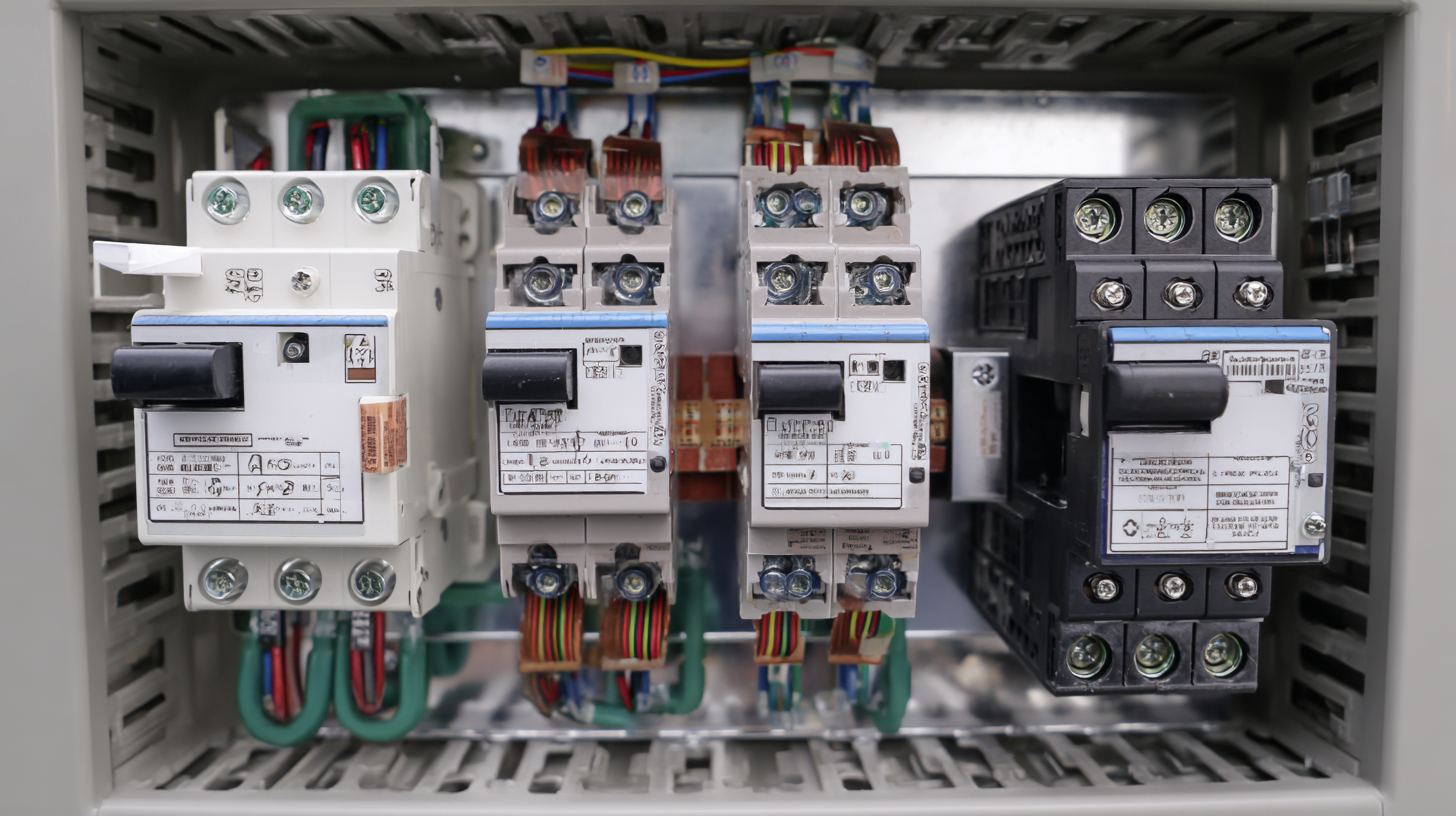
Hey there! So, let’s chat about installing bypass contactors. You know, sticking to some best practices can really make a difference in how reliable and effective your system is. First off, you definitely want to make sure you size the contactor right for your motor load. The rule of thumb is that it should be rated for at least 150% of the motor's full-load current. That comes in handy for handling those pesky inrush currents when the motor starts up. Oh, and don’t forget about the environment! Keeping everything within the recommended temperature range and protecting it from dust is key to making your equipment last longer.
Now, let’s be real—there are a few common pitfalls that people stumble into when wiring things up. A classic mistake? Misreading those circuit diagrams. That can really mess things up and compromise safety. So, just a heads up: always double-check your connections and use cables that are rated properly. After you’ve installed everything, it’s super important to run some thorough tests. You should check how things work under normal conditions and also see how they handle fault situations. This way, you’ll know your bypass contactors are good to go when you really need them. It cuts down on downtime and keeps risks at bay in industrial applications. By following these guidelines, you're not just boosting operational efficiency; you're also sticking to our promise of delivering top-notch industrial automation solutions.
Industry Standards and Regulatory Compliance for Soft Starter Solutions: What You Need to Know
Alright, let’s talk about using soft starters in industrial settings. It’s super important to get a grip on the industry standards and the whole regulatory compliance thing. Why? Because these guidelines help us ensure that everything runs safely, effectively, and protects the equipment we’re using too. There are some key standards, like IEC 60947-4-2, which focus on those performance and safety requirements for soft starters and contactors. So, do yourself a favor and get familiar with these specs before diving into installation.
A quick tip: when you’re on the hunt for a soft starter, make sure to check if it complies with both local and international standards. This little step can seriously help reduce any risks that come from electrical faults and can set you up for smoother operations.
Also, don’t forget about the soft starter bypass contactors! They need to meet those regulatory requirements too, so they work properly no matter what kind of load you’re dealing with. You’ve got to keep in mind overload protection and thermal management, as these factors can really make or break your performance and safety.
Another tip: while you’re installing everything, give your wiring and connections a good double-check against the manufacturer’s guidelines. Keeping accurate documentation and testing your setup will go a long way in making sure you’re compliant and that everything runs reliably.
Cost Analysis and ROI of Investing in Soft Starter Bypass Contactors: Financial Insights for Decision Making
If you’re thinking about adding soft starter bypass contactors to your operations, it’s really important to wrap your head around the financial side of things. Sure, the initial investment might look a bit hefty, but if you dive into a detailed cost analysis, you could actually uncover some decent savings on energy bills, maintenance, and the lifespan of your equipment. These bypass contactors are pretty clever—they reduce the electrical stress on motors when they fire up. This not only boosts efficiency but also cuts down on wear and tear on your machines. In other words, you get to enjoy a longer life for your gear and fewer surprise breakdowns. And let’s be real, fewer breakdowns mean less downtime and lower maintenance costs, which everyone can appreciate, right?
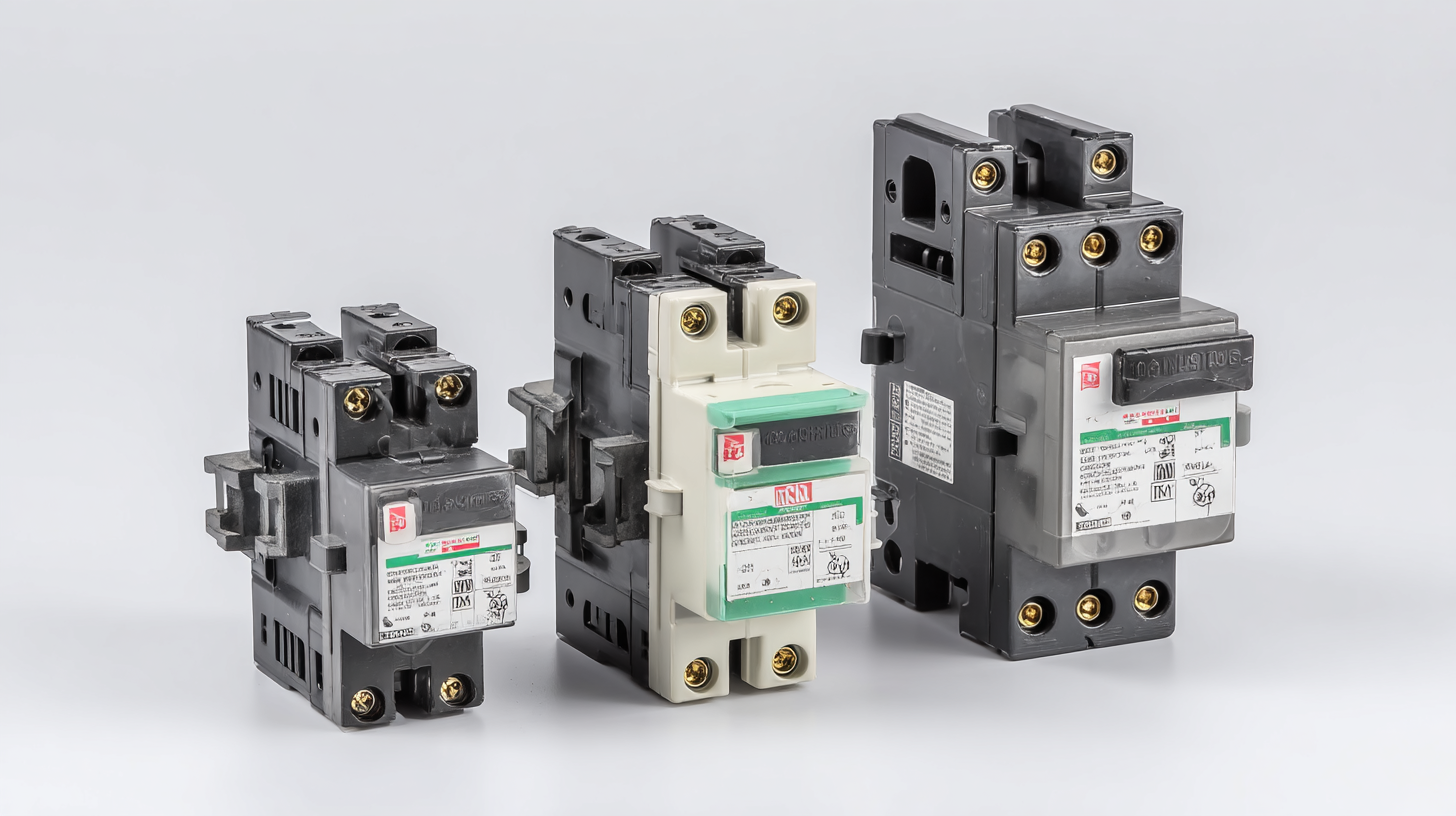
And hey, let’s talk about return on investment (ROI) for a moment. The gains from using soft starter bypass contactors can be pretty impressive. They help ease the motor's startup process, which can lower those peak current demands. This might just lead to lower utility bills and some serious savings on those pesky demand charges. Plus, when your operations run more smoothly, it can create a more productive atmosphere, which is a win-win for your bottom line. For those making the big decisions, it’s worth balancing these potential benefits against the initial costs. Doing so really can give you a clearer idea of the long-term perks, making it easier to plan your finances and allocate resources wisely.
FAQS
: Common voltage ratings for soft starter bypass contactors range from 230V to 690V, accommodating various industrial applications.
Selecting the correct voltage rating can minimize energy losses and enhance overall system reliability, leading to improved operational efficiency.
Most soft starter bypass contactors support current ratings from 9A to over 1000A, providing flexibility for different systems.
Choosing a contactor with an appropriate current rating can lead to efficiency improvements of up to 20%, significantly reducing operational costs.
Efficiency metrics, indicated by the contactor’s operational factor, reflect its performance during startup and bypass processes, contributing to the effectiveness of motor operations.
IEC 60947-4-2 is a key standard that addresses performance and safety requirements for soft starters and contactors.
Compliance with local and international standards helps mitigate risks associated with electrical faults and ensures safer and more efficient operation.
Factors such as overload protection and thermal management are vital as they significantly affect performance and safety.
It is essential to double-check wiring and connections against the manufacturer's guidelines to achieve compliance and reliability.
Maintaining accurate documentation and testing the setup helps ensure compliance with regulations and confirms the reliability of the installation.