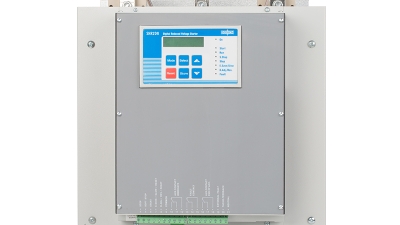
In today’s fast-changing industrial world, it's pretty clear that having efficient Motor Control is a big deal. Picking the right Electrical Soft Starter isn’t just a technical choice—it’s a critical one for keeping things running smoothly. As companies look to save energy and cut down on their environmental footprint, it’s more important than ever to really understand what the top soft starters out there can do. This guide is here to help you get a handle on what to look for—especially when it comes to saving energy and reducing emissions. That's a core focus for us at Zhejiang Shuoshi Electric Technology Co., Ltd., because we’re all about providing high-tech, eco-friendly solutions.
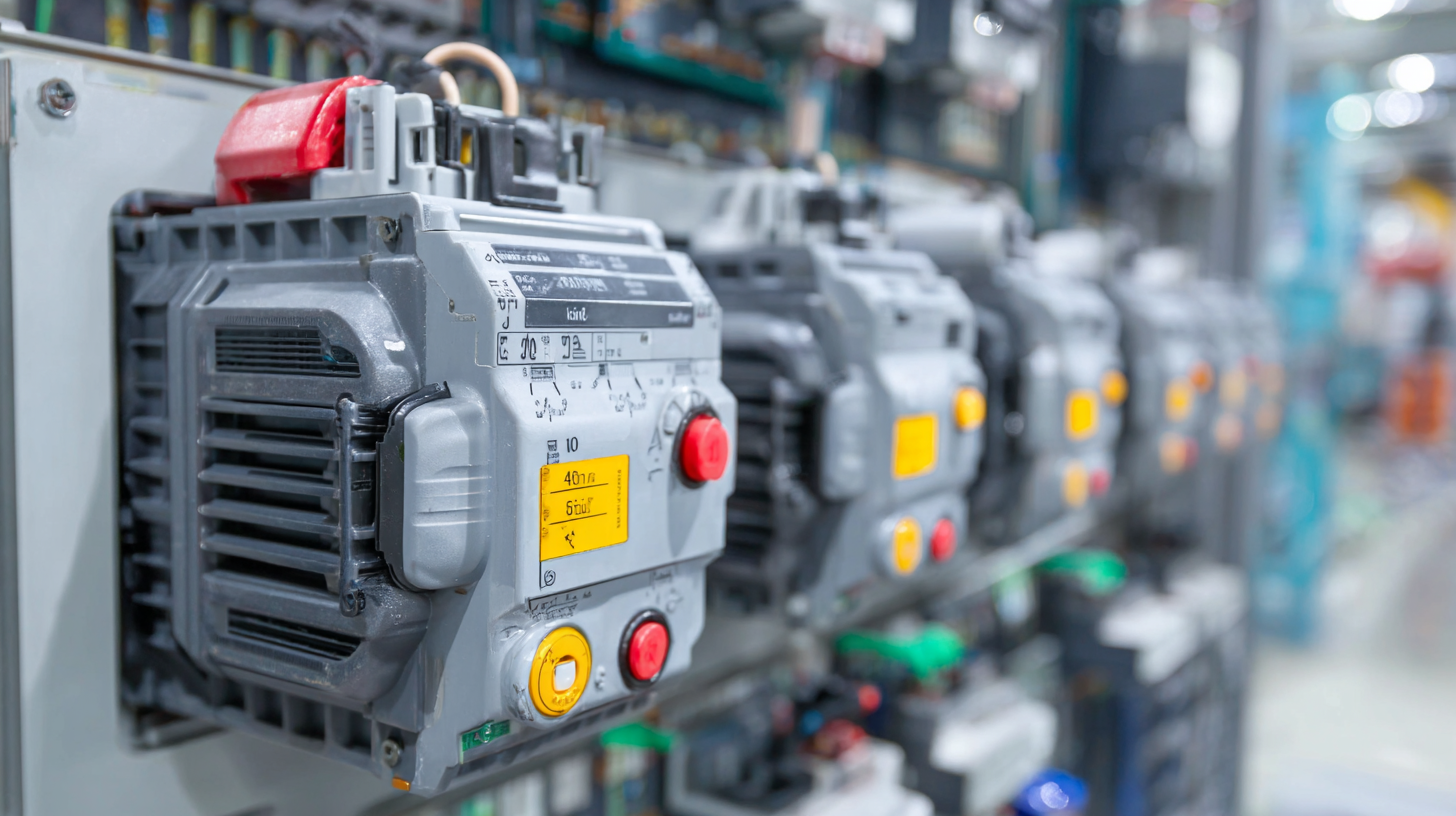
Our goal is to offer top-quality industrial control automation products that don’t just meet the demands of your operations but also help promote sustainability. So, let’s dive into the world of Electrical Soft Starters and see how they’re shaping the future of industry—because they truly play a pivotal role in modern manufacturing.
Comparison of Key Features in Leading Electrical Soft Starters Available Today
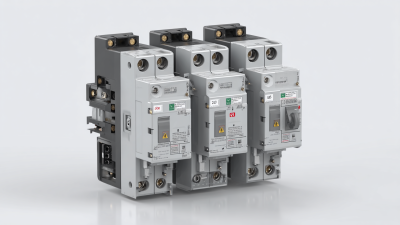
When you're choosing an electrical soft starter for your project, it's really important to peek at the key features of the top options out there right now. Basically, a soft starter’s main job is to handle the start-up phase of your electric motors. It helps cut down on the electrical stress running through your system and on the motor itself—something that’s pretty crucial. This means it can significantly reduce that big rush of current when the motor kicks in. So, when you're picking one, it’s good to think about the starting method—like, is it current-limiting, a voltage ramp, or reduced voltage? Each one has its own perks, depending on what you really need operationally.
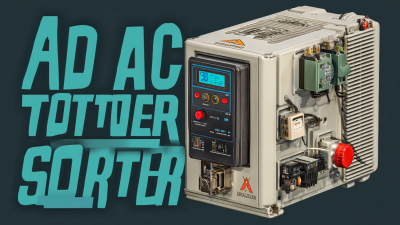
Also, don't overlook the control and monitoring capabilities. Today’s soft starters often come packed with programmable features and smart diagnostic tools, which make tuning performance a lot easier—and spotting problems before they turn into big issues. Plus, features like Overload Protection, phase loss alerts, or over-temp warnings can really help extend your motor’s life and keep things running smoothly. And if you’re into the tech side of things, check out the connectivity options—things like Modbus or Ethernet protocols—they make it easier to integrate the soft starter into your existing control systems, giving you more flexibility for maintenance and real-time tracking.
Understanding the Different Types of Soft Starters and Their Applications
Soft starters are pretty essential when it comes to industrial machines—they help control how electric motors speed up and slow down. If you're working with these, it's super helpful to know about the different types out there. That way, you can make sure your motors run smoothly and last longer. So, the main kinds you'll encounter are controlled voltage soft starters and controlled current soft starters.
Controlled voltage soft starters basically ramp up the voltage gradually, giving the motor a Gentle Start. This means less mechanical stress and a smoother operation. They’re perfect for things like fans, pumps, and compressors—where you really want a slow, steady ramp-up to avoid damage and keep everything running seamlessly.
On the flip side, controlled current soft starters keep a steady current during startup. This gives you a lot more control over the torque right from the get-go. They work really well in situations where you need high starting torque—think conveyors or crushers. Plus, they limit the current, which helps prevent issues like overheating or overcurrent during startup.
Each type has its own perks, depending on what you’re working with. So, it’s pretty important to analyze your specific needs and pick the right soft starter for your setup. As industries keep pushing for better efficiency and reliability, understanding these differences can really help you make smarter choices when it comes to equipment selection.
Evaluation of Efficiency Ratings and Energy Savings from Using Soft Starters
You know, when it comes to energy efficiency these days, evaluating how well soft starters perform and how much energy they save is becoming more and more important. In 2023, the global market for energy-efficient motors hit around $48.25 billion, and forecasts say it should grow to about $51.65 billion in 2024. That’s a pretty clear sign that everyone’s really into tech that helps save energy, and soft starters are definitely a big part of that trend. Basically, these devices gently bring motors up to speed when they start, which cuts down on sudden high currents, reduces mechanical wear, and saves energy — so it’s making people think twice about how they’re managing their energy use.
Plus, the soft starter market is expected to keep climbing, aiming for a whopping $14.49 billion by 2034 with an annual growth rate of nearly 9.89%. That just shows how much more folks are realizing the value of these devices for smoother, more efficient operations — whether it’s water pumps or industrial machines. As more industries adopt eco-friendly practices, using soft starters feels like a smart move, a way to get better performance and cut down on waste at the same time. It’s pretty exciting to see how these little gadgets are making a big difference in running things more sustainably, don’t you think?
Market Share Analysis of Top Electrical Soft Starter Brands in 2023
So, in 2023, the global market for electrical soft starters is really booming. It’s estimated to be worth around $2.5 billion, and if you ask me, that’s pretty impressive. According to recent reports from Research and Markets, the push for energy-efficient solutions in industry is really driving the adoption of soft starters. They’re popular because they help cut down on mechanical stress and save energy—no small feat, right? The big players like Siemens, Schneider Electric, and ABB are really the ones dominating this space, holding together over half of the market share between them.
Siemens, for example, is still the leader with about 20%, mainly thanks to their innovative tech and a wide range of products. Their SIRIUS series, in particular, is known for making operations safer and more reliable. On the other hand, Schneider Electric is right behind, especially with their EcoStruxure solutions that bring IoT into the mix—making performance monitoring and predictive maintenance a lot smarter. ABB also packs a punch, especially with their PSR soft starters, which are built to handle tough environments and demanding applications. These giants aren’t just competing on technology either—they’re also growing their presence through strategic partnerships and expanding across different regions. It’s pretty fascinating to see how they’re all pushing forward, huh?
Ultimate Guide to Comparing the Leading Electrical Soft Starters on the Market - Market Share Analysis of Top Electrical Soft Starter Brands in 2023
| Attribute | Brand A | Brand B | Brand C | Brand D |
| Market Share (%) | 25 | 20 | 30 | 25 |
| Rated Current (A) | 30 | 40 | 50 | 40 |
| Control Method | Voltage Ramp | Soft Start | Soft Start | Current Limit |
| Protection Features | Overload, Short Circuit | Overload | Overload, Phase Loss | Overload |
| Price Range ($) | 200 - 300 | 250 - 350 | 300 - 450 | 250 - 400 |
Technical Specifications: A Look at Voltage Ratings and Control Options
When you're looking into electrical soft starters, it’s really important to get a good handle on their technical specs—especially voltage ratings and control features. These things can make quite a difference in how well they perform across different setups. For instance, voltage ratings usually go from about 230V up to 690V, which means you can find a soft starter suited for pretty much any machinery, whether it’s small motors or big industrial equipment. Interestingly, industry folks are noticing that the demand for ratings above 400V is on the rise, especially in heavy-duty electric applications. Having the right voltage helps protect your gear from voltage swings and overloads, so it’s definitely worth paying attention to.
And let’s not forget about control options. They’re super important too! Many soft starters now come with features like adjustable ramp-up times, current limiting, and even soft-stop capabilities. These options not only help the machinery run more smoothly but also save energy in the process. Some reports even show that facilities using smarter control settings can cut their energy use by up to 30%. By understanding these specs, businesses can pick the right soft starter that matches their needs and energy goals—making a real difference for their operations and their bottom line.
Customer Feedback and Reliability Ratings Across Major Soft Starter Manufacturers
When it comes to choosing electrical soft starters, what customers say and how reliable they are tend to really matter. I recently came across an industry report from CFE Media that mentioned almost 60% of users put a lot of weight on reliability and how well the product performs overall. Big names like Schneider Electric and Siemens consistently get top marks, often scoring over 90% in different setups. These high ratings are usually based on thorough testing and real-world use, so you can trust that their products can handle tough environments without breaking a sweat.
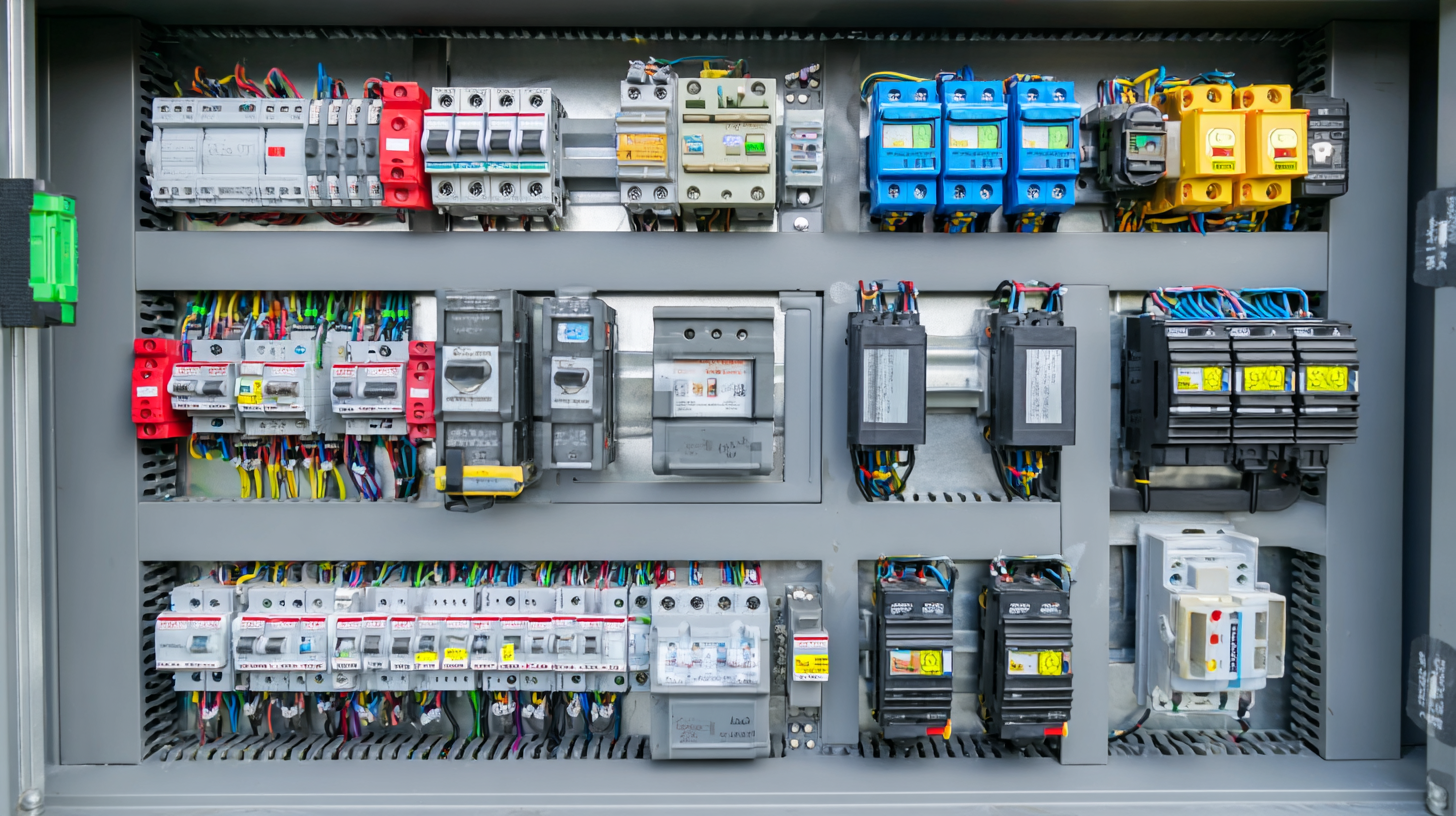
Plus, customer reviews really stress how important functionality is. A survey from Industrial Distribution found that about 72% of people said features like customizable start profiles or built-in protection somehow played a big role in their decision-making. Brands like Allen-Bradley get a lot of praise for being easy to use and packed with solid features, which really makes a difference in customer satisfaction. All in all, it’s clear that picking a soft starter isn’t just about technical specs — user experience and how well it fits actual needs are just as important.
Maximize Equipment Efficiency: Exploring the Benefits of the SHR2DN Heavy Load Soft Starter in Industrial Applications
In the industrial landscape, maximizing equipment efficiency is crucial for enhancing productivity and reducing operational costs. The SHR2DN Heavy Load Soft Starter stands out as an innovative solution designed to optimize motor performance across various applications. Equipped with the latest digital processor, the SHR2DN allows for precise voltage adjustment and current limiting, ensuring that machinery operates within ideal parameters. According to the International Energy Agency, industrial motors account for nearly 70% of electrical energy consumption in industry, highlighting the significant cost savings potential through the implementation of advanced motor control systems like the SHR2DN.
The unique features of the SHR2DN include its ability to start motors with a linear acceleration, reducing mechanical stress and increasing the lifespan of industrial equipment. By facilitating low-speed operation during startup and stoppage—essential in applications like pumps—the SHR2DN minimizes energy waste effectively. Data from the Department of Energy indicates that reducing starting current can lead to energy savings of up to 30%, making the SHR2DN not only an intelligent choice for maintaining equipment but also for achieving energy efficiency goals.
Moreover, the soft starter's protection mechanisms, including short circuit and phase loss safeguards, enhance the reliability of critical machinery in various sectors such as textiles, metallurgy, and petrochemicals. The integration of RS485 communication utilizing Modbus/Profibus protocols allows for remote monitoring and control, empowering operators to respond promptly to any operational changes. As industries strive for greater efficiencies and sustainability, the SHR2DN Heavy Load Soft Starter emerges as a powerful ally in the pursuit of operational excellence.
FAQS
: Soft starters are used to gradually ramp up motor speeds upon startup, which minimizes inrush currents, reduces mechanical stress, and lowers energy consumption.
The global energy-efficient motor market was valued at approximately $48.25 billion in 2023.
The soft starter market is projected to reach $14.49 billion by 2034, growing at a CAGR of 9.89%.
Implementing soft starters can lead to substantial energy savings, enhancing the performance of systems such as water pumping and industrial machinery.
Soft starters usually have voltage ratings ranging from 230V to 690V, accommodating both small motors and larger industrial setups.
The demand for voltage ratings above 400V is rising particularly in heavy-duty electric applications, as they help safeguard equipment against fluctuations and overloads.
Many soft starter models feature advanced control options such as ramp-up time adjustment, current limiting, and soft-stop functionalities.
Facilities that implement smart control options can see energy consumption decrease by up to 30%.
The adoption of soft starters supports sustainable practices by improving operational efficiency and reducing energy waste, aligning with environmental responsibility goals.
Understanding technical specifications, such as voltage ratings and control options, helps businesses select the appropriate soft starter that meets their operational needs and energy efficiency objectives.