Picking the right Solar Inverter is actually a pretty big deal when it comes to getting the most out of your solar setup. Basically, the inverter’s job is to turn the sunlight your panels catch into electricity you can use at home. But here’s the thing—choosing the right one isn’t just about picking any inverter. You want to get the right type, size, and brand to make sure your system runs smoothly and efficiently.
Honestly, a lot of people tend to overlook how important this component really is. They get caught up just looking at the Solar Panels and forget that the inverter plays a huge role in your system’s overall performance. Things like wattage, the kind of inverter, and even the brand—like Sunny Boy or SolarEdge—can really make a difference. So, doing a little homework on these options is totally worth it.
It’s also super important to think about what you actually need. A home setup isn’t the same as a business, right? The efficiency ratings, installation quirks, and even how much energy you use now and might need in the future can all influence what inverter is best for you. Taking the time to figure out your specific needs will help you make smarter choices. Trust me, that decision on which inverter to go with has a direct impact on how much money you’ll save on energy bills and how reliable your whole system will be in the long run.
Understanding the Role of Solar Inverters in Solar Energy Systems
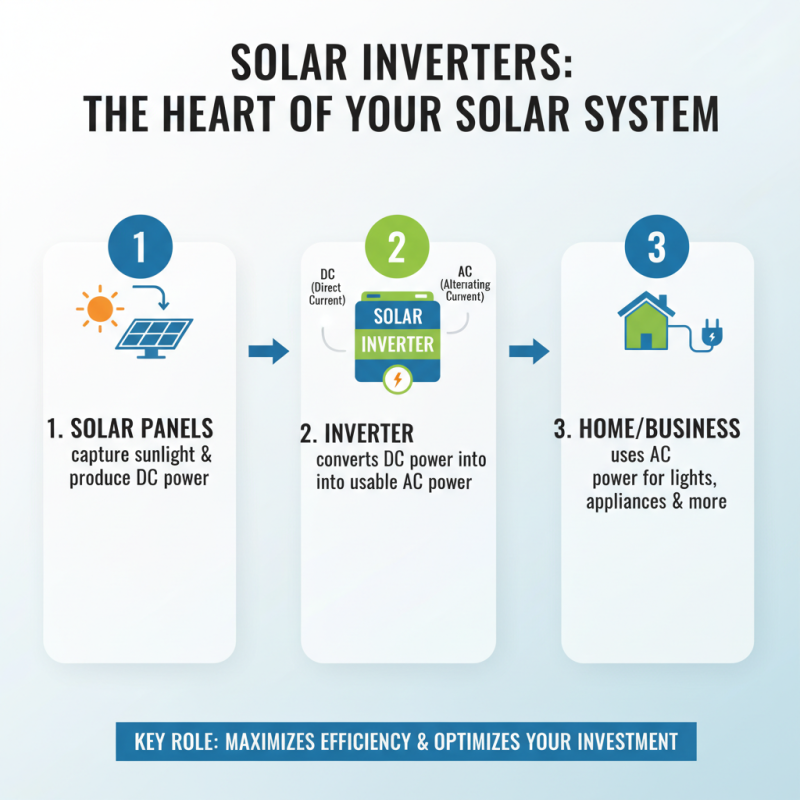
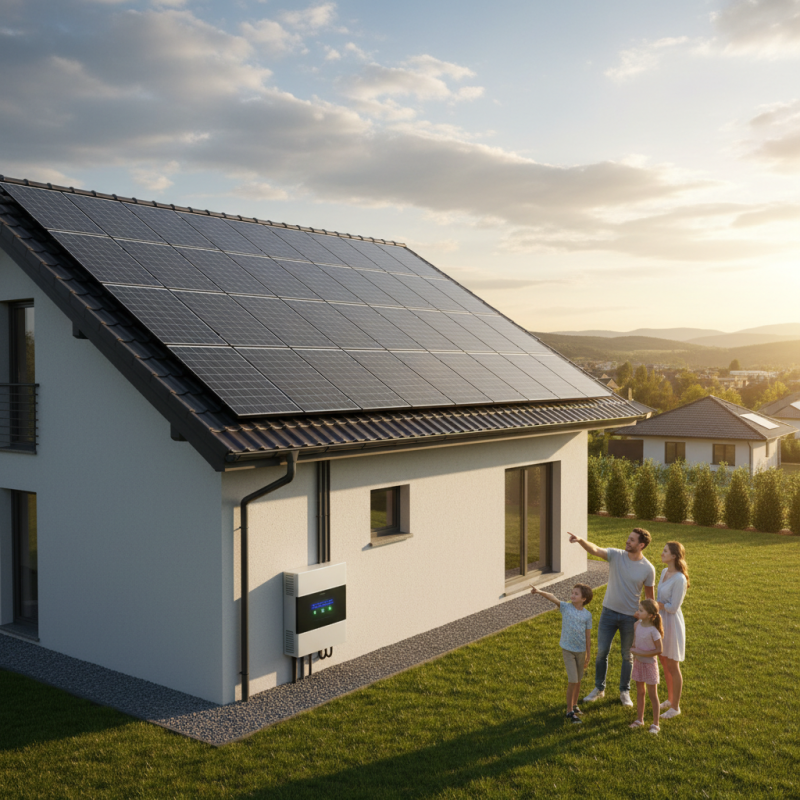
Solar Inverters play a pivotal role in solar energy systems. They convert the direct current (DC) generated by solar panels into alternating current (AC), which can be used by homes and businesses. Without a reliable inverter, your solar energy system loses efficiency. Understanding this component is crucial for optimizing your solar investment.
Choosing the right inverter involves considering your energy needs and installation type. Different inverters have unique features. For grid-tied systems, you may want a string inverter or microinverters, depending on your panel layout. Off-grid solutions often require battery storage capabilities, making inverter selection even more critical.
Tips: Always check the inverter's efficiency rating and warranty. A higher efficiency can lead to more energy savings. Assessing your system's size and expected energy use will guide your choice. Keep in mind, not all inverters perform well under shade or cloudy conditions. This is an area often overlooked but vital for effective energy production.
Types of Solar Inverters: Central, String, and Micro Inverters Explained
When choosing a solar inverter, it's crucial to understand the different types available. Central inverters manage the entire solar array as one unit. This type is often preferred for large commercial installations due to its efficiency and scalability. However, they can be less effective when shading occurs on one section of the array. It's essential to assess the specific layout of your solar panels when considering a central inverter.
String inverters are another popular option. They connect multiple solar panels in series, making them suitable for residential setups. They can be more cost-effective if shaded areas are limited. However, one panel in the string can affect the overall performance. This factor highlights the need to think carefully about panel placement.
Micro inverters function at the individual panel level. They maximize performance by allowing each panel to operate independently. This setup is often recommended for roofs with partial shading or varying orientations. While micro inverters can be more expensive upfront, they may offer long-term benefits.
Tips: Always consider local weather conditions and shading patterns. Also, seek advice from professionals in solar technology to find the best fit for your needs. Understanding your energy requirements can drive the best decision, leading to a more efficient system.
Key Factors to Consider When Choosing a Solar Inverter
When selecting a solar inverter, key factors influence your choice. The type of solar inverter matters greatly. Different models serve varying needs. For instance, string inverters are common for residential setups. They are simple and cost-effective. In contrast, microinverters can optimize individual panel performance. This can be crucial in shaded areas. The nature of your installation may determine what you need.
Efficiency is another important consideration. Higher efficiency means more energy conversion. A small difference in efficiency can impact your overall energy harvest. Some inverters come equipped with monitoring features. These can track energy production and performance. Real-time data allows for better management. Furthermore, durability and warranty are vital aspects. Inverters face external elements, and long-lasting options provide peace of mind.
You might also explore specialized options like a Solar Pump Inverter. These inverters cater specifically to solar-powered pumps, optimizing performance. Ensure that the inverter you select aligns with your specific applications.
Always consider the technical support and service available. Assess these qualities carefully. Your investment hinges on a thoughtful choice, influenced by careful research and honest evaluations.
Efficiency Ratings: How They Impact Your Solar System's Performance
When selecting a solar inverter, efficiency ratings play a pivotal role.The efficiency directly affects how well your Solar System converts sunlight into usable energy.A higher efficiency rating means more energy gets transformed and less is wasted. This is crucial for homeowners looking to maximize their investment in solar technology.
For instance, if your Solar Water Pump Inverter has an efficiency rating of 95%, it means 95% of the solar energy captured is converted into electricity. Conversely, an inverter with a 90% rating wastes more energy. These small differences can accumulate over time, impacting your overall return on investment. Choosing an inverter with a high efficiency rating is important, but it isn’t always easy.
Not all inverters perform under various conditions. Temperature fluctuations can affect efficiency, leading to a need for careful consideration. It's important to reflect on what metrics matter most for your situation. Look for products that have been tested in real-world conditions. This builds trust and helps in making informed decisions. Balancing efficiency with reliability is key. Energy production can be unpredictable, so understanding these variables is essential for your solar system's long-term performance.
The Importance of Compatibility with Solar Panels and Batteries
Choosing the right solar inverter is crucial for maximizing Energy Efficiency. Compatibility withSolar Panels and batteries can greatly impact the overall performance of a solar energy system. According to a recent report by the National Renewable Energy Laboratory, mismatches between solar inverters and solar panels can lead to a 15% reduction in energy production. This emphasizes the importance of selecting an inverter that matches the specifications of your solar panels.
When integrating batteries into the system, the compatibility becomes even more critical. A study from the Solar Energy Industries Association indicated that about 30% of residential solar installations are paired with battery storage. However, incorrect inverter types can hinder effective energy storage and usage. It is essential to ensure that the inverter can efficiently manage energy flow from both solar panels and batteries.
This knowledge gap can lead to costly mistakes for homeowners. Many underestimate the role that a compatible inverter plays in achieving optimal system performance. In some cases, users inadvertently choose inverters without proper features for battery integration. Therefore, understanding the technical requirements of both solar panels and batteries is essential for a successful solar energy investment.
Additional Features to Look for in Modern Solar Inverters
When selecting a solar inverter, focus on modern features that enhance performance. Quality inverters include built-in monitoring systems. These systems allow users to track energy production in real-time. This transparency helps you optimize energy usage.
Tips: Choose an inverter with an intuitive interface. Ease of use can make monitoring more effective.
Another important feature is adaptability. An inverter should work well with various solar panel types. This flexibility ensures you can upgrade or expand your system without hassle.
Reliability is crucial. Look for inverters that come with robust warranties. This indicates confidence in the product's durability.
Tips: Consider inverters with safety features like surge protection. These can prevent damage during electrical storms.
Lastly, energy efficiency can’t be overlooked. Higher efficiency rates mean more savings. Research the efficiency ratings of potential inverters before purchasing. Each feature contributes to long-term performance, ensuring your solar system meets your needs effectively.
Cost vs. Value: Making an Informed Investment in Solar Technology
Choosing the right solar inverter can significantly impact your Solar System investment. It’s essential to understand the differences between cost and value. Many buyers focus solely on the initial price, but the long-term benefits often outweigh the upfront costs. An inverter that is slightly more expensive may offer advanced features, better efficiency, and a longer lifespan, leading to greater savings over time.
Consider the functionality as well. A reliable solar inverter can optimize energy output. It adapts to various conditions, ensuring you maximize your solar system’s performance. However, opting for cheaper models might seem attractive, but they can lead to inefficiencies and higher maintenance costs later. Reflecting on your energy needs can guide your decision, providing insight into what features are essential for your unique situation.
It's also important to think about warranty and support. Quality inverters often come with extensive warranties, indicating the manufacturer’s confidence in their product. This factor can enhance your peace of mind since a solid warranty assures you of support in case of issues. Balancing cost and value requires thoughtful consideration, ensuring that your solar system serves you well for years to come.
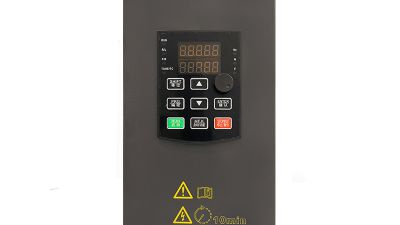
Maximizing Efficiency and Control: The Advantages of the SHSS500 High-Performance Vector Frequency Inverter
The SHSS500 High-Performance Vector Frequency Inverter exemplifies cutting-edge technology designed to optimize efficiency and control in motor applications. By utilizing advanced vector control technology, this inverter is capable of precise regulation of motor speed and torque, making it an indispensable tool in modern industrial settings. With three core functions—high-precision Speed Regulation, high energy efficiency, and high dynamic response—this device ensures that performance meets the rigorous demands of various tasks.
The speed regulation performance of the SHSS500 is particularly noteworthy, boasting a speed regulation ratio that can reach up to 1:200, with an impressive accuracy error of just 0.5%. This level of precision allows for real-time adjustments to motor operation based on load changes, which is crucial for maintaining the stability and reliability of equipment. Additionally, the inverter significantly enhances energy conservation. By intelligently matching load requirements, it can reduce energy consumption by more than 30% compared to traditional drive methods. Its rapid response to sudden load changes, occurring within milliseconds, further ensures operational stability and efficiency, making it an ideal choice for applications requiring both responsiveness and energy savings.
FAQS
: Efficiency ratings determine how well solar inverters convert sunlight into usable energy. Higher ratings mean less energy is wasted.
Temperature fluctuations can impact efficiency. It's crucial to consider your local climate when selecting an inverter.
Look for built-in monitoring, adaptability to various panels, reliability, and efficiency features to enhance performance.
Real-time monitoring allows users to track energy production, optimizing usage and enhancing savings.
Value is important; higher costs can mean better efficiency and features, leading to long-term savings.
A robust warranty indicates manufacturer confidence. It ensures support in case of issues and enhances peace of mind.
Cheaper models might seem attractive but can lead to inefficiencies and higher maintenance costs over time.
Consider what features are essential for your unique situation, guiding you towards a better investment.
Look for features like surge protection. These can prevent damage during electrical storms and enhance overall reliability.
Not all inverters are adaptable. Choose one that works well with various panel types for hassle-free upgrades.
Conclusion
Selecting the right solar inverter is crucial for optimizing the performance of a solar energy system. Solar inverters play a vital role in converting the direct current (DC) generated by solar panels into usable alternating current (AC) for home or grid use. Understanding the different types of solar inverters—central, string, and micro—informs choices based on system size and layout.
When choosing a solar inverter, several key factors must be considered, including efficiency ratings, compatibility with solar panels and battery systems, and additional features that may enhance functionality. Balancing cost and value is essential to ensure that the investment in solar technology yields optimal energy production and savings. By carefully evaluating these aspects, individuals and businesses can make informed decisions that align with their energy needs and sustainability goals.