Industrial Variable Frequency Drives (VFDs) might sound a bit technical, but they're actually super important in today's manufacturing world. Basically, they help control how fast and how hard electric motors run, which means things run more efficiently and use less energy. Big names like Siemens and Allen-Bradley? They rely on these drives to get the job done better across all sorts of applications.
If you’re wondering how exactly an Industrial Vfd works, it’s worth getting into the details. These drives basically tweak the frequency and voltage sent to motors — giving you really precise control. And that’s a big plus because it means not only can you save energy, but your equipment also tends to last longer. Of course, because these systems can get pretty complex, you need to make sure they’re installed right and maintained properly.
That said, it’s not all sunshine and rainbows. Sometimes you can run into issues like overheating or parts wearing out, which means you’ve gotta keep an eye on things. As more industries jump on the VFD bandwagon, staying educated about the latest tips and trends is pretty crucial. Finding the sweet spot between pushing innovation and keeping everything reliable — that’s still a bit of a balancing act, but it’s definitely worth talking about in the industry.
Understanding Variable Frequency Drives (VFDs) in Industrial Applications
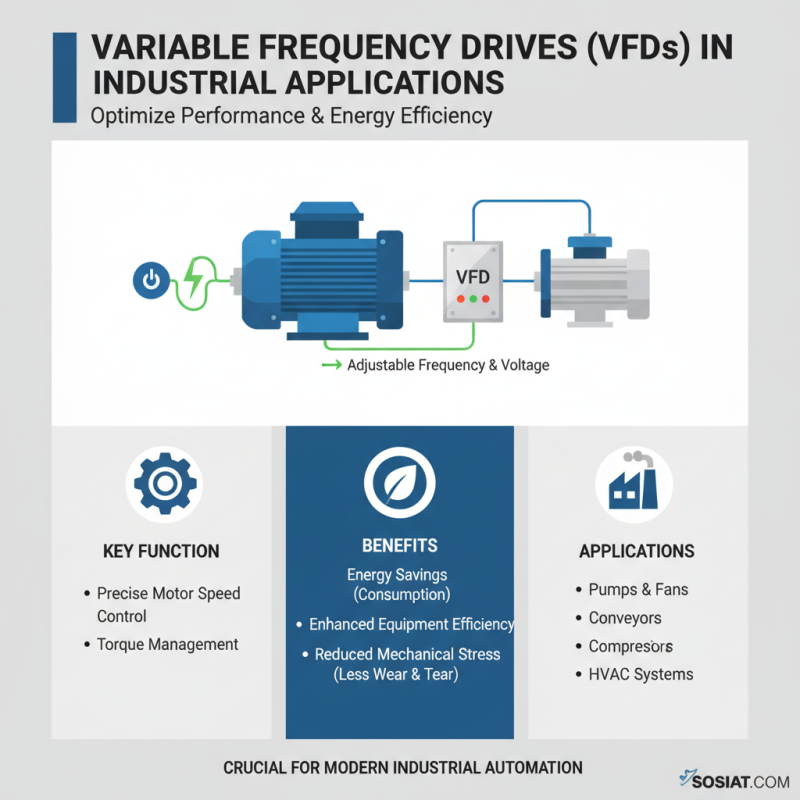
Variable Frequency Drives (VFDs) play a crucial role in modern Industrial Applications. They allow for the precise control of motor speeds and torque. This capability is vital for managing energy consumption and enhancing the efficiency ofIndustrial Equipment. By adjusting the frequency and voltage supplied to the motor, VFDs help optimize performance while reducing wear and tear.
It’s important to monitor VFD settings regularly. Misconfigured parameters can lead to inefficiencies. Keeping an eye on power usage can reveal potential issues. This proactive approach ensures that your Industrial Equipment operates smoothly.
When integrating VFDs into systems, consider compatibility with existing machinery. Not all VFDs work seamlessly with every motor. Each application presents unique challenges, requiring thoughtfulness during implementation. Remember that understanding the specific needs of your industrial equipment is key to achieving the best results.
Components of an Industrial VFD and Their Functions
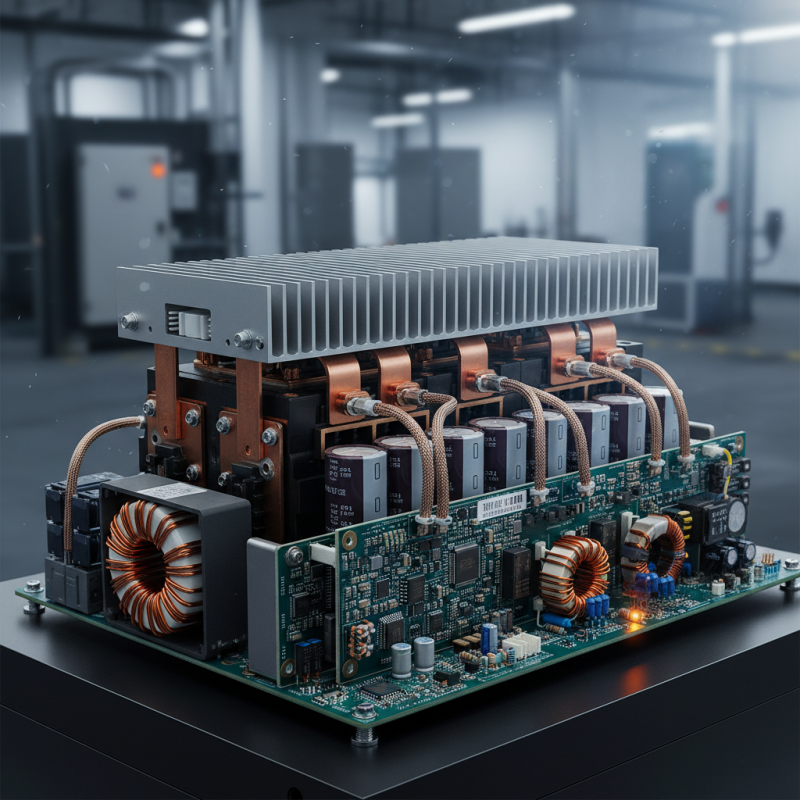
An Industrial Vfd (Variable Frequency Drive) comprises several essential components that work together to control motor speed and torque. One key element is the rectifier, which converts incoming AC power to DC. This process is crucial as it sets the foundation for how the VFD operates. Smooth power delivery is vital for optimal motor performance.
Another important component is the DC bus. This section stores the DC voltage from the rectifier. It acts as a buffer, ensuring a consistent power output to the inverter. A well-designed DC bus can enhance the efficiency of the entire system. However, if it fails, the VFD may not function correctly, leading to performance issues.
The inverter, often deemed the heart of the VFD, transforms DC back into AC power, modulating frequency and voltage. This allows precise control over the motor's speed. However, inverters can be sensitive to overloads. Maintaining their reliability requires regular monitoring and maintenance. Each component plays a role, and understanding their functions is crucial for effective troubleshooting and optimization in industrial applications.
The Working Principle of Variable Frequency Drives
Variable Frequency Drives, or VFDs, are vital in modern industrial applications. They control the speed and torque of electric motors by adjusting the frequency and voltage of the power supplied. This capability allows for precise management of motor operations, leading to energy savings and improved performance.
The working principle of a VFD involves three main stages: rectification, filtering, and inversion. Initially, the AC input power is rectified into DC power. This process uses diodes to convert the alternating current into a direct current. Next, filtering smoothens the DC output to ensure steady voltage. Finally, inverting the DC back to AC reintroduces it to the motor, but at the desired frequency and voltage.
While VFDs are effective, they may also pose challenges. Issues like electromagnetic interference can arise. Regular maintenance is crucial to ensure efficiency and reliability. User education on proper settings is essential for avoiding frequent errors. Ultimately, the implementation of VFDs reflects a balance of innovation and vigilance in industrial practices.
What is an Industrial VFD and How Does it Work? - The Working Principle of Variable Frequency Drives
| Parameter | Description | Typical Value |
| Input Voltage | Voltage supplied to the VFD | 230V, 460V, 575V |
| Output Frequency | Frequency of the output signal to the motor | 0-60 Hz |
| Control Method | Type of control used to manage motor speed | V/f (Volts per Hertz), Vector Control |
| Rated Power | Maximum power rating of the VFD | 1HP to 500HP |
| Cooling Method | How the VFD dissipates heat | Air-Cooled, Liquid-Cooled |
| Protection Features | Safety mechanisms integrated into the VFD | Over-voltage, Over-current, Short-circuit |
| Communication Protocols | Methods for VFD to communicate with other devices | Modbus, Profibus, Ethernet/IP |
| Efficiency |
Energy Efficiency rating of the VFD | 95% - 98% |
Benefits of Using VFDs in Industrial Settings
Variable Frequency Drives (VFDs) are vital components in Industrial Automation. Their primary function is to control the speed and torque of electric motors. Adopting VFDs not only enhances operational efficiency but also results in significant cost savings. According to a report by the U.S. Department of Energy, VFDs can reduce energy use by up to 50% in some applications.
One of the most notable benefits of using VFDs in industrial settings is their ability to improve process control. By allowing for precise speed adjustments, VFDs enable smoother operations and better product quality. Enhanced motor lifespan is another advantage. By reducing mechanical stress, VFDs minimize wear and tear, leading to lower maintenance costs. Industries that implement VFDs report a reduction in downtime by up to 30%, according to various case studies.
Tips: Regularly monitor VFD performance to identify inefficiencies. Take note of temperature fluctuations, which can signal potential issues. Investing in proper training for staff can optimize the use of VFDs in your facility. Awareness of these aspects can yield better results in industrial automation.
Common Applications of Industrial VFDs
Industrial Variable Frequency Drives (VFDs) play a crucial role in modern manufacturing. These devices control the speed and torque of electric motors by varying the frequency and voltage of the power supplied to them. They are commonly used in various industrial applications, such as pumps, fans, and conveyor belts. According to a report by Grand View Research, the global VFD market is expected to reach $25 billion by 2027, reflecting their significance in enhancing energy efficiency.
One of the common applications of VFDs is in HVAC systems. They regulate the speed of fans and pumps, leading to substantial energy savings. A study by the U.S. Department of Energy suggests that optimizing fan speeds can reduce energy consumption by about 30%. In water treatment plants, VFDs adjust the flow rates of water, improving system reliability and reducing mechanical stress.
Another application is in textile manufacturing processes. VFDs control the speed of weaving and knitting machines. This improves product quality and reduces material waste. Research indicates that industries using VFDs can increase productivity by up to 15%, highlighting their impact on operational efficiency. However, VFDs may require periodic maintenance, which can be a challenge for some facilities. Balancing efficiency with maintenance becomes essential for sustainable operations.
Common Applications of Industrial VFDs
Challenges and Limitations of Industrial VFDs
Industrial Variable Frequency Drives (VFDs) are essential for controlling motor speeds in various Industrial Applications. Despite their many benefits, they come with notable challenges and limitations. The complexity of VFD systems can be a hurdle for technicians and engineers. Proper training is crucial to ensure effective troubleshooting and maintenance. Without this expertise, operational downtime can increase, leading to financial losses.
Another significant issue is the potential for harmonic distortion. Industrial VFDs can generate harmonics that interfere with the electrical supply. These harmonics may harm other equipment and reduce overall system efficiency. Addressing this problem often requires additional components, such as filters, adding to the cost and complexity of the installation.
Heat generation is another challenge. VFDs can produce substantial heat during operation, necessitating robust cooling solutions. Ignoring this aspect might lead to overheating and system failure. Regular checks are needed to maintain optimal operating conditions. Overall, while VFDs are invaluable in industrial applications, they present challenges that demand careful consideration.
Future Trends and Innovations in VFD Technology
The future of Variable Frequency Drives (VFDs) appears promising, driven by technological advancements and increasing energy efficiency demands. Industry reports suggest that the global VFD market is projected to grow by over 6% annually, indicating a significant shift towards automation and smart technology. Innovations in VFD design are focusing on integrated software that optimizes performance while minimizing energy consumption. These developments show the importance of adaptability in various industrial applications.
To stay competitive, businesses should focus on upcoming trends. The integration of IoT technology with VFDs is a game-changer. This technology allows machines to communicate and share data in real-time, enhancing operational efficiency. Additionally, advancements in machine learning algorithms enable predictive maintenance, reducing downtime. Companies investing in these technologies are likely to see improved productivity and cost savings.
Tip: Assess your current VFD systems regularly. Identifying potential upgrades can enhance performance and sustainability.
Moreover, the push for renewable energy sources is influencing VFD designs. This trend encourages the development of VFDs that are compatible with solar and wind energy systems, making them more versatile. Organizations should explore partnerships with an Industrial Soft Starter Distributor to benefit from the latest innovations. Continuous learning and adaptation to these trends can significantly impact future operational strategies.
FAQS
: An industrial VFD controls motor speed and torque by converting power types.
The rectifier converts incoming AC power to DC power for the VFD's operation.
The DC bus stores DC voltage and ensures consistent power output to the inverter.
The inverter converts DC back to AC, allowing precise control of motor speed.
Regular monitoring is essential to ensure the reliability and efficiency of VFD components.
Future trends include IoT integration and machine learning for improved operational efficiency.
Assess existing systems regularly to identify upgrades that improve performance.
Renewable energy compatibility makes VFDs more versatile for various applications.
Companies should explore partnerships to access the latest innovations and improvements.
Regular evaluation of VFD systems can lead to better sustainability practices.
Conclusion
Industrial VFDs, or Variable Frequency Drives, are essential components in modern industrial applications, controlling motor speed and torque by varying the frequency and voltage supplied to the motor. Understanding the components of an Industrial VFD, such as the rectifier, inverter, and control unit, is critical to maximizing their efficiency and performance. These devices operate on principles of electromagnetism and deliver significant benefits, including energy savings, reduced mechanical stress, and improved process control.
In addition to their advantages, Industrial VFDs are commonly used in a variety of settings, such as HVAC systems, pumps, and conveyor belts. However, they also face challenges, including complexity in installation and maintenance. Looking ahead, advancements in VFD technology promise to enhance their functionality and integration with smart systems, driving further innovation in industrial automation.