Leave Your Message
0%

Picking out the right Speed Control Inverter can actually feel a bit overwhelming, honestly. With so many options out there, it’s super important to make the right choice for your project. Each application has its own little quirks and needs, so understanding what’s best for you really matters.

Let’s say you’re thinking about your motor’s power requirements. If you pick an inverter that doesn’t match up, it could lead to all sorts of inefficiencies. Things like voltage, frequency, and the type of load you’re dealing with all come into play. Honestly, it’s worth taking some time upfront to get familiar with these details before pulling the trigger.

Reliability totally matters here. Big names like Siemens or ABB tend to be trusted because their products have proven to last. But, keep in mind, not every model is a perfect fit for your particular setup. Be honest with yourself and assess what the inverter can actually do. I know sometimes sales pitches can be a bit pushy—so don’t hesitate to ask if what they’re suggesting really suits your needs. A good Speed Control Inverter can seriously boost your efficiency, but grabbing the wrong one? That can just lead to a lot of frustration in the long run.
How to Choose the Right Speed Control Inverter for Your Needs?

Understanding the Basics of Speed Control Inverters

Understanding speed control inverters is essential for effective motor management. These devices regulate the speed of electric motors by adjusting frequency and voltage. By doing so, they enhance efficiency and improve performance in various applications. It's important to comprehend how different types of inverters work.

Speed control inverters can differ in complexity. Basic models are straightforward, ideal for simple applications. Advanced inverters offer precise control options, suitable for complex systems. Knowing your application can greatly impact your choice. However, many users overlook variations in motor types. Not all inverters work well with every motor, and compatibility must be assessed.

When selecting an inverter, consider several factors. The size of the motor, load type, and application frequency are crucial. Gathering data on these elements may prevent inefficiencies. Some users experience unexpected performance issues when they lack the necessary technical knowledge. This highlights the importance of education in this area. Engaging with professionals in motor dynamics can provide invaluable insights. They can help uncover nuances that aren't always obvious.

Key Parameters to Consider When Selecting an Inverter

How to Choose the Right Speed Control Inverter for Your Needs?

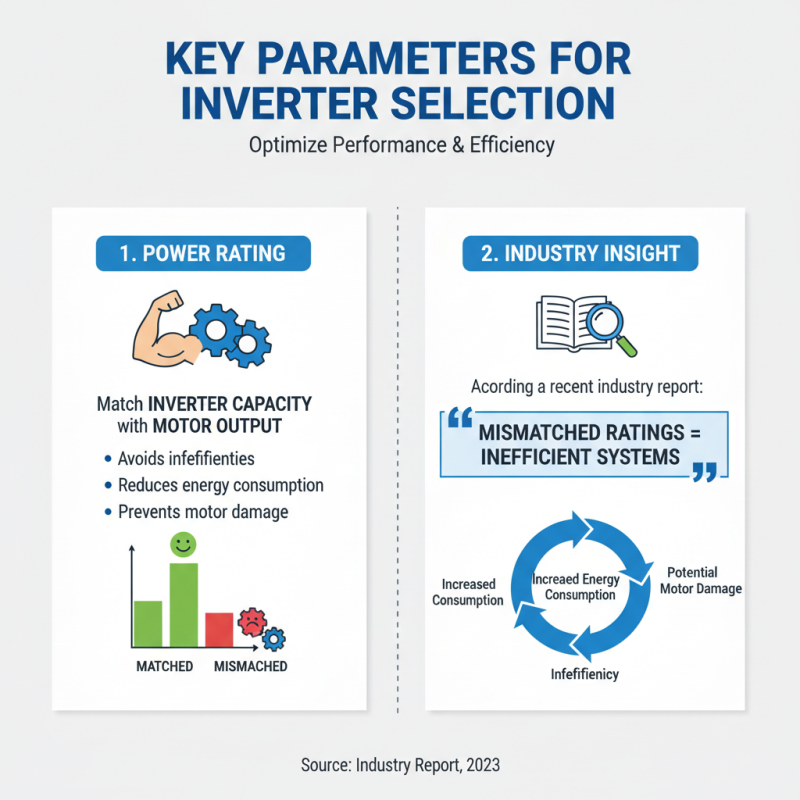
When selecting the right speed control inverter, key parameters are essential for optimal performance. One crucial factor is the power rating. It is vital to match the inverter's capacity with the motor's output. According to a recent industry report, mismatched ratings can lead to inefficiencies, resulting in increased energy consumption and potential damage to the motor.

Another important aspect is the control method. There are various types, including V/f control and vector control. Each method suits different applications. For example, vector control offers high precision, which may be necessary for Pump Speed Control systems. In contrast, V/f control can be more cost-effective for general applications. It’s important to analyze your unique requirements to make an informed decision.

Tips: Assess the environment where the inverter will operate. Factors like temperature and humidity can impact performance. Also, system compatibility is crucial. Ensure that the inverter integrates well with existing components. Unsuitable combinations can lead to issues such as overheating and reduced lifespan. Always seek expert advice when in doubt.

Matching Inverter Ratings to Motor Specifications

How to Choose the Right Speed Control Inverter for Your Needs?

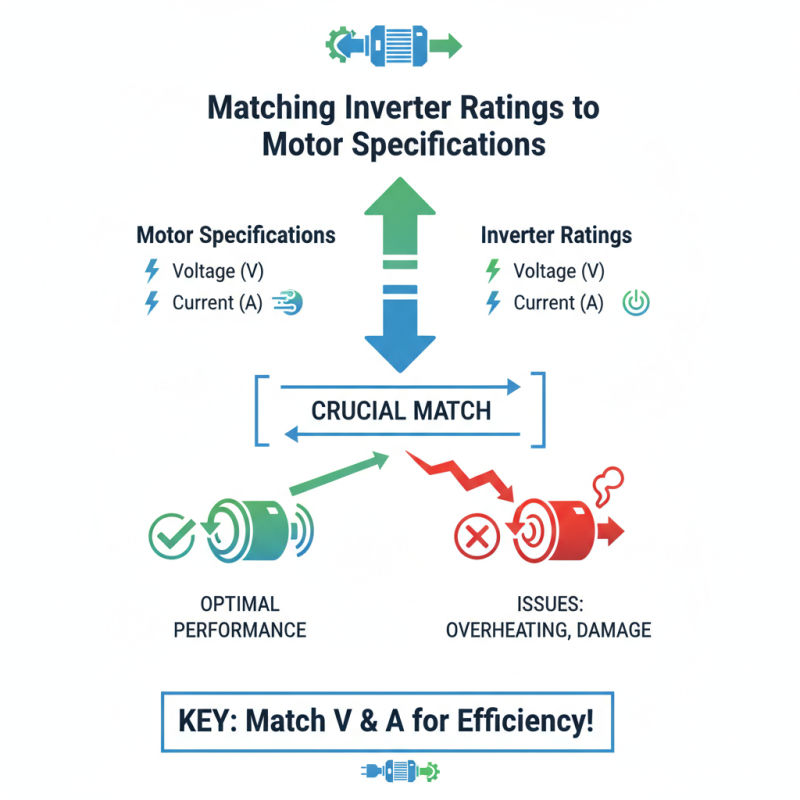
Selecting the appropriate inverter is crucial for optimizing motor performance. Understanding motor specifications is the first step. Each motor has specific voltage and current requirements. Matching these with inverter ratings ensures efficient operation. Overlooking such details can lead to issues. For instance, an underpowered inverter may struggle, causing overheating.

When considering Motor Speed Control, pay close attention to the maximum and minimum speed ratings. The inverter must accommodate the desired speed range of the motor. Using an inverter that's not designed for this can result in poor Speed Regulation. This mistake is common among users who underestimate the importance of compatibility.

Additionally, consider the phase and type of load. Some motors require a three-phase inverter, while others work with single-phase models. Ignoring these requirements can lead to significant inefficiencies. Consulting technical documentation can provide insights and help avoid these pitfalls. It’s essential to ensure your selected inverter aligns seamlessly with motor specifications to achieve optimal performance.

Evaluating Efficiency and Performance Metrics in Inverters

Choosing the right speed control inverter involves understanding efficiency and performance metrics. Efficiency is measured in terms of energy savings. Reports indicate that high-efficiency inverters can boost overall operational efficiency by up to 20%. This means reduced energy costs and a smaller carbon footprint. Performance metrics often focus on output waveform quality. The best inverters ensure smooth operation with low distortion.

When assessing speed control inverters, consider the load type. Inductive loads require different control strategies compared to resistive loads. A common mistake is not analyzing the specific application needs. For example, a powerful Mixer Speed Control system needs precise performance metrics. This can prevent issues such as overheating or equipment failure.

Tips: Always refer to manufacturer data for efficiency ratings. Don't overlook factors like harmonics and power factor. Regular maintenance can also improve inverter longevity. Reflect on your operational requirements frequently; a one-size-fits-all solution may lead to inefficiencies. Investing time in selecting the right speed control inverter pays off in the long run.

Examining Application Requirements for Optimal Inverter Selection

Choosing the right speed control inverter is crucial for many applications. Understanding the specific needs of your project can greatly impact efficiency. Different machines require varying types of control. For example, a fan may need simple speed adjustments, while a Conveyor System may need precise control.

Consider the load type as you evaluate your options. If your application involves a constant load, a basic inverter might suffice. However, varying loads complicate matters. In such cases, a high-performance inverter offers better adaptability and efficiency. Pay attention to power ratings too. An underpowered inverter can cause overheating, while an oversized one leads to wasted energy.

It's also important to assess operating conditions. Environmental factors like temperature and humidity can affect inverter performance. If you operate in extreme conditions, a robust model is vital. Reviewing compliance with industry standards is key. Inverters must meet specific regulations to ensure safe operation. Balancing these factors can lead to a more effective and reliable choice, despite the complexities involved.

How to Choose the Right Speed Control Inverter for Your Needs?

Application Required Power (kW) Input Voltage (V) Output Frequency (Hz) Control Type Special Features
Pumping Systems 5 380 50 V/F Control Energy Saving
Conveyor Systems 10 400 60 Vector Control Overload Protection
Fan Control 2 220 50 PID Control Quiet Operation
Elevator Systems 15 480 60 Flux Vector Control Safety Features
Industrial Machinery 20 230 50 Torque Control Customizable Parameters

Exploring Compatibility with Existing Systems and Equipment

Choosing the right speed control inverter is crucial for system efficiency. Compatibility with existing systems dictates your options. Before purchasing, assess your current equipment voltage and frequency requirements. Knowing these details can significantly streamline your decision-making process.

Here are some tips to consider. Check if the inverter supports your motor types. Not all inverters work with every motor system. Look into the phase configuration of your motors. Single-phase and three-phase systems behave differently, affecting performance. Also, pay attention to the inverter’s control methods. Some may offer better precision for your needs.

Consider potential updates in the future. Technology evolves quickly. Your chosen inverter might limit compatibility with newer systems. Confirm it has features that allow flexibility and scalability. Ensure that your inverter can adapt, as this could save you from future costs. Remember, investing wisely now is beneficial down the road.

Speed Control Inverter Compatibility by Application

This chart represents the compatibility ratings of speed control inverters with various applications. Ratings are determined on a scale from 0 to 10, where higher values indicate better compatibility.

Assessing Cost vs. Long-term Benefits of Inverter Investment

When investing in a speed control inverter, balancing cost and long-term benefits is crucial. Many buyers focus only on the initial price and overlook the potential savings over time. For instance, an efficient inverter may cost more upfront but can lead to significant reductions in energy bills. The long lifespan and fewer maintenance needs add to this savings.

Evaluating Conveyor Speed Control systems involves understanding the operational workload. An inverter that matches the specific application ensures optimal performance. While some units may seem cheaper, they may not endure demanding conditions. Failures can lead to costly downtimes and repairs, impacting overall productivity.

Investigating real-life case studies offers valuable insights. Businesses often underestimate how a smart investment in an inverter can improve efficiency. However, without clear benchmarks, assessing true performance remains a challenge. Reflections on past purchases might reveal missed opportunities for enhanced operational efficiency. Therefore, making an informed decision requires careful consideration beyond just the purchase cost.

Harnessing Efficiency: The Role of Medium Voltage Frequency Inverters in Modern Industrial Applications

In the realm of modern industrial applications, harnessing efficiency is paramount, and medium voltage frequency inverters play a crucial role in achieving operational excellence. These inverters are designed to control the speed and torque of electric motors, allowing industries to optimize their energy usage and reduce waste. By converting fixed frequency power to variable frequency, they facilitate precise control over machinery, leading to improved production rates and reduced operational costs.

A critical component of these inverters is the use of high-voltage insulated gate bipolar transistors (IGBTs), particularly those rated at 1700V. The reliability of equipment directly impacts operational efficiency, and utilizing IGBTs from reputable manufacturers ensures an impressive average fault-free operation period of 20 years. This longevity not only minimizes downtime but also significantly reduces maintenance costs, allowing companies to focus on their core operations with peace of mind. The integration of such advanced technology in medium voltage frequency inverters exemplifies how industries can embrace innovation to enhance their productivity and sustainability.

FAQS

: What is the most important factor when selecting an inverter?

: The power rating is crucial. It should match the motor's output capacity to avoid inefficiencies.

How does the control method affect inverter selection?

Different methods like V/f control and vector control suit various applications. Vector control provides precision, while V/f is cost-effective.

What environmental factors should be considered for inverter performance?

Temperature and humidity can impact how well an inverter operates. Assess these conditions before selection.

Why is system compatibility important when choosing an inverter?

A compatible inverter integrates well with existing equipment. Mismatched systems can cause overheating and reduced lifespan.

What performance metrics should I consider in inverters?

Look for efficiency ratings and output waveform quality. High-efficiency models can significantly reduce energy costs.

How do load types influence inverter control strategies?

Inductive and resistive loads require different strategies. Always analyze the specific needs of your application.

How can I improve the longevity of my inverter?

Regular maintenance and adherence to manufacturer data are crucial. Reflect on your operational needs to avoid inefficiencies.

What should I consider for future technology updates?

Ensure the inverter has features for flexibility. This helps adapt to newer systems and saves future costs.

What common mistake should I avoid when choosing an inverter?

Not analyzing specific application needs is a mistake. Each system has unique requirements that must be met.

Is there a one-size-fits-all solution for speed control inverters?

No, a one-size-fits-all approach may lead to inefficiencies. Tailor your selection to your unique operational needs.

Conclusion

When selecting the right Speed Control Inverter for your applications, it is crucial to understand the fundamental principles of how these devices operate. Key parameters such as voltage ratings, current capacity, and control methods play a significant role in determining compatibility with your motor specifications. Evaluating the efficiency and performance metrics of various inverters is also vital, as this impacts both energy consumption and system reliability.

Furthermore, considering the specific requirements of your application ensures optimal inverter selection. This includes examining the compatibility of the inverter with existing systems and equipment, as well as conducting a cost-benefit analysis to assess the long-term advantages of your investment. By thoroughly analyzing these elements, you can ensure that your chosen Speed Control Inverter meets your operational needs while maximizing efficiency and performance.


Benjamin

Benjamin

Benjamin is a dedicated marketing professional at Zhejiang Shuoshi Electric Technology Co., Ltd., where he plays a vital role in promoting the company's commitment to energy-saving, emission-reducing, low-carbon, and environmentally friendly high-tech products. With a deep understanding of the......
Previous 2026 How to Choose the Best Wholesale China Ac Inverter for Your Needs?