Leave Your Message
- Phone
- E-mail
- Whatsapp

- WeChat

In the fast-changing world of Industrial Automation, boosting the performance of motor inverters isn’t just a nice-to-have; it’s essential to meet growing demands for energy efficiency and sustainability. A Grand View Research report suggests the global motor inverter market could reach around USD 28.33 billion by 2025, driven by the push for more efficient energy use and tougher emissions standards. Here at Zhejiang Shuoshi Electric Technology Co., Ltd., we’re all about leveraging innovative solutions that cut costs and extend the life of these key components. By dialing in advanced after-sales service and keeping repair costs competitive, we aim to offer not only high-tech products but also comprehensive industrial control automation solutions that fit the path toward low-carbon tech. Chasing excellence in motor inverter performance isn’t just a goal; it’s a necessity for sustainable industrial growth.
Motor inverter tech has been making waves lately, pushing efficiency and performance to new levels across a bunch of applications. In renewable energy, electric cars, and industrial automation, these smart inverters are key to squeezing more energy out of every kilowatt and trimming operating costs. Take electric vehicles, for example: cutting‑edge motor inverters don’t just stretch the driving range. They also boost acceleration and overall vehicle feel, making electric transport a lot more appealing to everyday users. In industrial settings, smart motor inverters tied to the Internet of Things are changing how operations run. Real‑time monitoring and predictive maintenance mean less downtime and higher productivity. Plus, advanced control algorithms let these inverters adapt to changing loads, keeping performance steady even when conditions swing. By leaning into these technologies, industries can push for greater energy efficiency and greener practices, steering us toward a more resilient and eco‑friendly future.
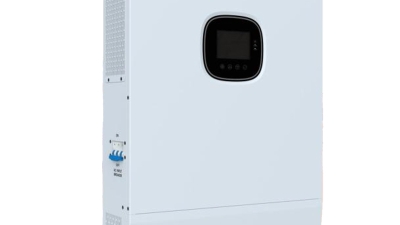
As the world shifts toward sustainable energy, the SOSIAT Three Phase Off-grid Inverter emerges as a remarkable solution for maximizing energy efficiency. This innovative inverter supports segmented charging and discharging, functioning effectively even without a battery under special conditions. With the ability to activate lithium batteries through mains or solar energy, it ensures that users can harness renewable resources maximally. According to a recent report by the International Renewable Energy Agency (IRENA), the integration of advanced solar technologies like the SOSIAT inverter can significantly reduce greenhouse gas emissions, highlighting the system's pivotal role in transitioning to greener energy solutions.
The SOSIAT inverter is equipped with four versatile charging modes: Solar Only, Mains Priority, Solar Priority, and Solar & Mains Hybrid. Each mode is designed to optimize energy distribution depending on resource availability. For example, the Solar Priority mode maximizes solar usage, which recent industry statistics indicate can lead to a 30% increase in energy savings for residential users. Additionally, the inverter provides two output modes—mains bypass and inverter output with UPS function—ensuring that power supply remains uninterrupted. Its full digital double closed loop control and advanced SPWM technology enhance operational efficiency, boasting an impressive maximum efficiency of 99.9% with MPPT technology.
Moreover, the inclusion of features such as an LCD screen for clear status display and an intelligent variable-speed fan for heat dissipation not only makes this inverter user-friendly but also extends its lifespan. The multiple safety protection functions, including short circuit, overload, and reverse polarity protection, ensure reliable operation in diverse conditions, paralleling findings by the Energy Storage Association which underscore the importance of safety in off-grid energy systems. The SOSIAT Three Phase Off-grid Inverter thus stands at the forefront of sustainable energy technology, combining efficiency with robust safety measures.
: Advanced motor inverter technologies are used in sectors like renewable energy, electric vehicles, and industrial automation to optimize energy conversion, enhance efficiency, and reduce operational costs.
In electric vehicles, innovative motor inverters enhance the driving range, improve acceleration, and optimize overall vehicle dynamics, making electric transportation more appealing to consumers.
Smart motor inverters integrated with IoT technology allow for real-time monitoring and predictive maintenance, minimizing downtime and enhancing productivity in industrial environments.
A leading automotive company implemented advanced inverters in their production line, resulting in a 30% reduction in energy consumption while increasing operational speed.
A prominent dairy producer that upgraded its motor control systems achieved a 25% boost in throughput, improving product consistency and quality through optimized speed and torque control.
To enhance motor inverter performance, assess current specifications, tune control algorithms, update firmware, invest in cooling solutions, and continuously monitor performance using diagnostic tools.
Keeping the firmware updated is essential as manufacturers release updates that enhance performance and fix bugs, ensuring optimal operation of motor inverters.
Overheating can drastically reduce inverter performance, making effective cooling solutions and proper heat dissipation critical for maintaining functionality.
Real-time monitoring allows for data-driven adjustments and early identification of potential issues, which helps maintain optimal performance and prevent escalated problems.
Advanced control algorithms, such as vector control or model predictive control, improve the inverter's response time and torque control, leading to better performance in fluctuating load conditions.