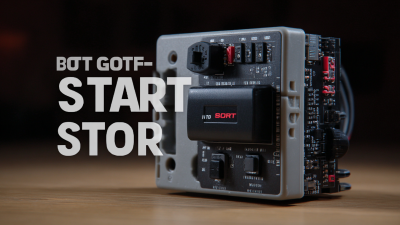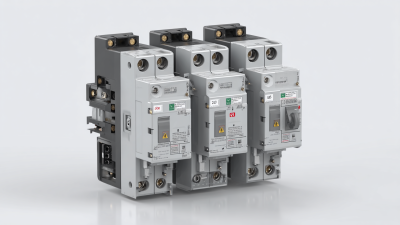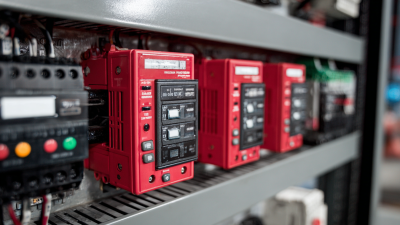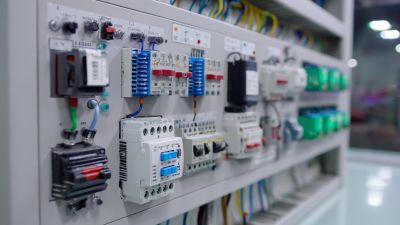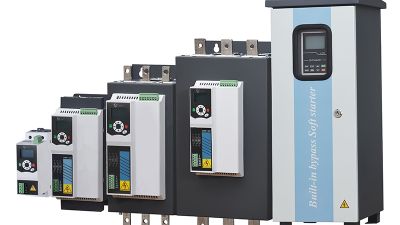
In today's industrial world, efficiency is more important than ever. One gadget that's been catching people’s eye is the Soft Start Controller. Basically, it helps start up electrical motors a lot smoother and safer. Unlike those old-school methods, this little device trims down the stress on your machinery, which can really help prevent damage and make your equipment last longer.
Picture a factory—big motors kick in all at once, which isn’t always ideal. With a Soft Start Controller, those motors ramp up gradually, so there’s less strain on the wiring and circuits. You’d be surprised how many companies overlook these benefits, focusing just on the power aspect. But trust me, smoother starts can mean fewer breakdowns and lower maintenance costs in the long run.
Of course, it’s not all smooth sailing—some folks might get tangled up in setting things up the right way. A misconfiguration can lead to hiccups and less-than-ideal performance. It’s definitely worth thinking about these challenges. Embracing a Soft Start Controller can totally change how things run, but getting a good handle on how it works is just as crucial.
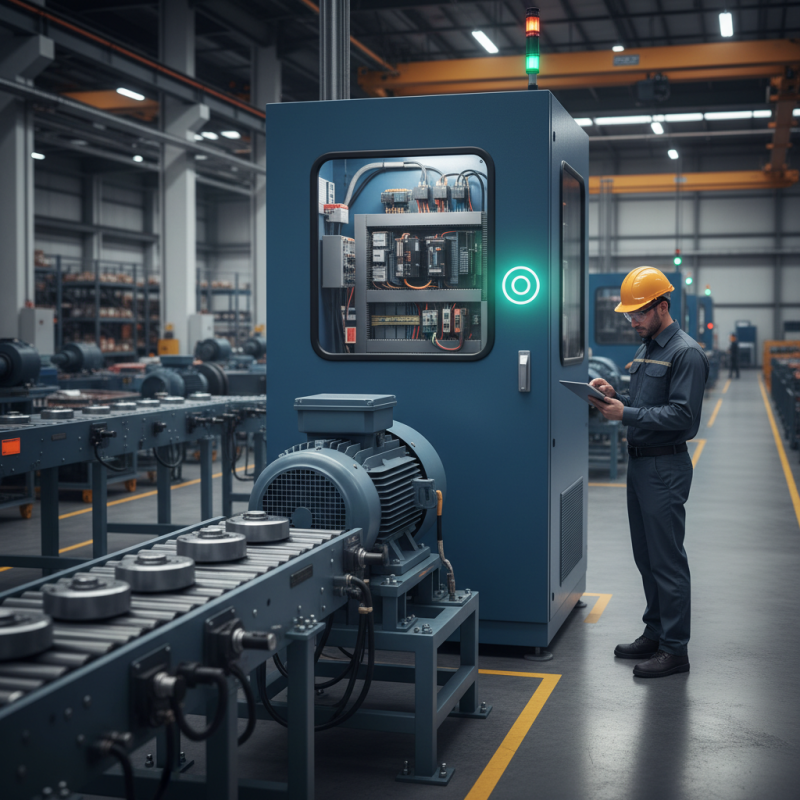
A soft start controller is a device designed to control the initial power supplied to an electric motor. This technology gradually increases the voltage and current sent to the motor. It reduces the inrush current that typically occurs during startup. This approach helps in extending the lifespan of motors and associated equipment.
Using a soft start controller also minimizes mechanical stress on motor components. By decreasing the sudden torque produced during startup, it prevents wear and tear. Installation can be complex, which might lead to challenges in proper setup. It's crucial that operators fully understand their equipment and the controller's parameters to benefit from its use.
Additionally, soft start controllers enhance operational efficiency. With reduced energy usage, they contribute to lower energy bills. However, not all motors may benefit equally from Soft Starters. Certain applications may require traditional starting methods. Understanding the specific needs of machinery is essential for optimal performance.
| Benefit | Description |
|---|---|
| Reduced Inrush Current | Soft start controllers limit the initial current surge during startup, protecting equipment from potential damage. |
| Extended Equipment Life | By controlling the acceleration of motors, it reduces wear and tear, prolonging the life of machinery. |
| Improved System Stability | Maintains a stable voltage during startup, minimizing disturbances in connected systems. |
| Energy Efficiency | Soft start controllers help in reducing energy consumption during startup phases. |
| Less Mechanical Stress | Gentler acceleration reduces stress on mechanical components, leading to fewer maintenance needs. |
| Noise Reduction | Soft start controllers contribute to quieter operation compared to traditional starters. |
| Enhanced Control | Provides better control over motor start and stop times, allowing for smoother operations. |
| Flexibility | Can be easily adjusted to suit specific applications, providing greater operational flexibility. |
| Simplified Installation | Most soft start controllers are user-friendly, making them easier to install and configure than complex systems. |
| Cost Savings | Long-term energy savings and reduced maintenance costs result in overall financial benefits. |
Using a soft start controller can significantly reduce the inrush current during motor startup. When a motor starts, it often draws several times its rated current. This sudden surge can damage electrical components and circuits. A soft start controller provides a gentle ramp-up of voltage and current. This method minimizes stress on the motor and the electrical supply.
Tip: Regularly check the settings on your soft start controller. Adjust them according to the motor application. Over time, load conditions can change. Ensure your controller adapts to these variations for optimal performance.
The reduction of inrush current not only protects equipment but also enhances energy efficiency. Some users may still face challenges. For example, if the startup time is too long, it may hinder production. Finding the right balance can be tricky. Consider monitoring motor behavior closely during startup phases.
Tip: Observe how your motor performs over time. Look for unusual noises or vibrations. These can indicate issues that need addressing. Small adjustments can prevent larger problems later on.
This chart illustrates the top benefits of using a soft start controller, highlighting the reduction of inrush current during motor startup along with other advantages.
Using a soft start controller can significantly enhance Motor Protection and longevity. When motors start abruptly, they can experience high inrush currents. This surge can reach up to 600% of the normal operational current. By utilizing a soft start controller, these inrush currents are reduced. They gradually ramp up the voltage, maintaining a steady current flow.
Studies indicate that this gradual approach can extend the life of electric motors by up to 50%. Over time, components experience less stress, reducing wear and tear. This can result in fewer maintenance requirements and unplanned downtime. The Soft Start Time can also be adjusted to match the specific needs of each application. This added flexibility allows for optimal motor performance while preventing damage.
However, not all setups realize the full benefits of soft start controllers. Some users may not properly configure the soft start time. This misconfiguration could lead to ineffective soft starting and potential motor damage. That's why understanding the parameters is crucial for maximizing motor longevity. These devices must be accurately calibrated to harness their full potential for motor protection.
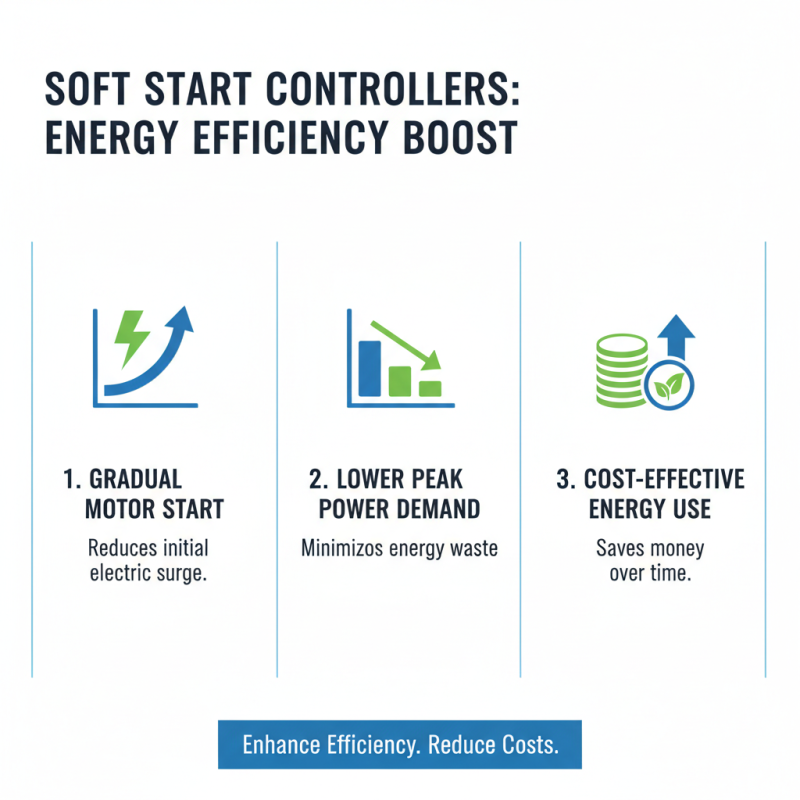
Using a soft start controller can significantly enhance energy efficiency. These controllers gradually ramp up motor speed. They reduce the initial electric surge when starting. This results in lower peak power demand. Over time, this leads to cost-effective energy use.
Lower energy consumption is not the only benefit. Reduced starting torque helps extend equipment lifespan. A soft start controller minimizes mechanical stress on motors and connected systems. This steady approach means fewer maintenance issues. However, some users worry about the effectiveness of Soft Start Vs Vfd systems. While both reduce energy use, each method has specific advantages depending on the application.
Selecting the right option can be challenging. A soft start provides simplicity and ease of use. In contrast, VFDs offer more control over motor speed and torque. Users must reflect on which solution fits their operational needs best. Sometimes, the decision impacts overall cost savings and equipment longevity. Such considerations shouldn't be overlooked.
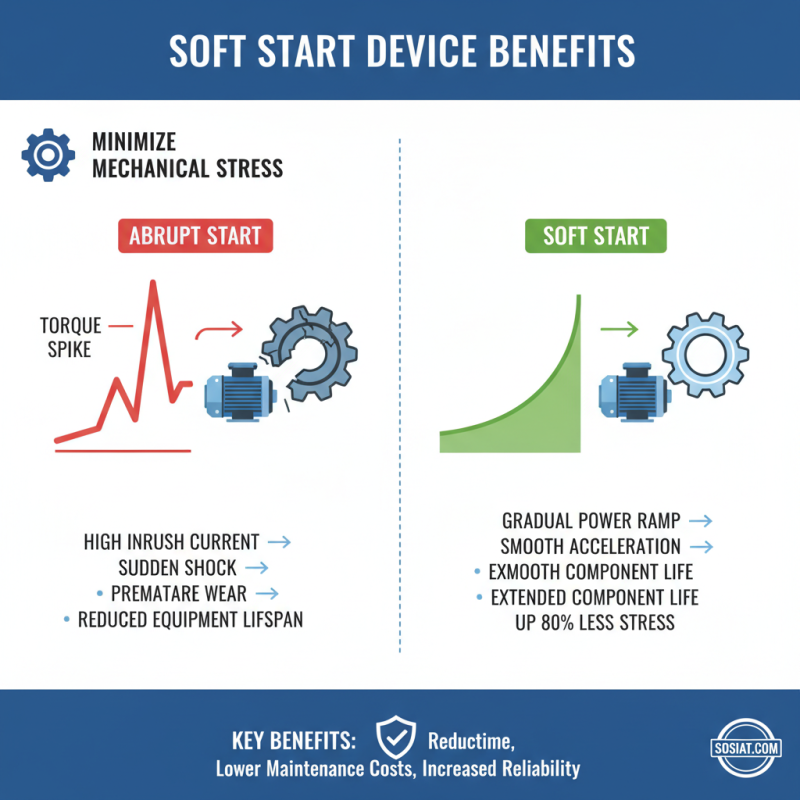
Minimized mechanical stress on equipment is a significant benefit of using a Soft Start Device. This device reduces the inrush current during motor start-up. According to industry reports, abrupt starts can produce torque spikes, leading to premature wear on components. For example, a study by the Electric Power Research Institute shows that soft starting can decrease mechanical stress by up to 80%.
Additionally, soft starters significantly lower the likelihood of vibrations. Equipment like pumps and conveyors are less likely to suffer from misalignment. A reduction in vibration not only increases lifespan but also enhances operational efficiency. It’s notable that maintaining proper alignment can improve performance by 15%.
However, not all soft start implementations are perfect. Some installations can still experience issues if not calibrated correctly. In some cases, improper settings may not eliminate all of the mechanical stress. Regular assessments are crucial to ensure optimal functionality. In the end, understanding the nuances of a Soft Start Device can lead to more reliable equipment operation.
Smoother acceleration and deceleration are key advantages of using a soft start controller. This technology gradually increases voltage, allowing for a controlled start. With a Soft Start Mixer, the equipment experiences reduced mechanical stress. The gradual ramp-up can enhance the lifespan of motors and other components.
Industry reports indicate that soft starters can improve motor life by 30-50%. This reduction in wear and tear translates to fewer maintenance costs. The lower torque during startup minimizes the risk of damaging loads. Such a design also decreases energy consumption during the initial power-up phase. It’s not just about starting; stopping matters too. A soft start controller ensures a gentle deceleration, reducing shock loads on the system.
However, the implementation of soft start features isn’t without challenges. Some operators may hesitate due to the initial investment. The return on investment may take time to realize. Additionally, not all applications may benefit equally from this technology. It is crucial to assess the specific needs of your system. Balancing cost against benefits is not always straightforward. A tailored approach often yields the best results.
Soft start controllers are essential in many industrial settings. Their versatility allows them to be used with various types of equipment. For example, they ensure smooth startup for motors, conveyors, and pumps. This gradual acceleration reduces mechanical wear and tear. Consequently, machinery can last longer and require less maintenance.
In addition to their adaptability, soft start controllers are effective in energy saving. They minimize power surges that can cause grid instability. Operators can adjust settings based on specific applications. This customization helps optimize performance and energy efficiency. However, the challenge lies in selecting the right parameters for each scenario. Improper settings can lead to inefficiencies.
Moreover, soft start controllers contribute to safer work environments. By reducing sudden movements, they lessen the chances of accidents. Workers feel more at ease when machines start smoothly. However, training is crucial. Operators must understand how to utilize the technology effectively. Lack of knowledge can hinder benefits, making ongoing education essential.
In the modern industrial landscape, enhancing efficiency is paramount, especially as organizations seek to optimize their operations for higher productivity and reduced downtime. The 2023 Global Soft Starter Market Report highlights the critical role of soft starters in achieving these goals, providing insights into advanced technologies that support smoother motor control. Among these innovations is a new generation of soft starters that have revolutionized motor acceleration and deceleration management, maximizing operational efficiency while minimizing wear on equipment.
The SHR6E soft starter exemplifies this technological advancement, offering a highly intelligent and reliable solution for industries aiming to optimize their motor control processes. With newly designed features for quick settings and personalized controls, it allows operators to customize the motor's acceleration and deceleration curves with unprecedented precision. This level of control not only enhances operational efficiency but also contributes to a significant reduction in mechanical stress during startup and shutdown, which can extend the lifespan of machinery and reduce costs.
As industries evolve, the shift towards intelligent solutions like the SHR6E aligns with the broader trends reported in the market, where adaptive control technologies are expected to witness substantial growth. These innovations are not merely enhancements; they represent a pivotal shift towards smarter industrial applications, underscoring the necessity of investing in advanced motor control technologies to drive efficiency and sustainability in operations. As reported, organizations adopting such intelligent motor controls can expect to see a considerable return on investment, reflecting the growing demand for innovative solutions in the soft starter market.
: The main purpose is to provide an efficient solution for everyday tasks. Users can save time and effort.
Follow the instructions in the manual. Start with basic functions. Gradually explore advanced features as you become comfortable.
Yes, some users report confusion with setup. Others have difficulty navigating the interface. Patience is key.
Check the troubleshooting section. If the issue persists, consider reaching out for customer support. They can help.
Yes, most retailers offer return policies. Ensure it is within the return window. Keep the original packaging for easier returns.
Typically, products come with a limited warranty. Review the warranty terms provided. Keeping the receipt is essential for claims.
A Soft Start Controller is an essential device in industrial applications that helps regulate the startup of electric motors. By gradually increasing the voltage supplied to the motor, it reduces inrush current, thereby protecting the motor and extending its lifespan. This not only enhances energy efficiency but also lowers operating costs, making it a cost-effective solution for businesses.
Moreover, a Soft Start Controller minimizes mechanical stress on equipment by allowing for smoother acceleration and deceleration of loads. Its versatility makes it suitable for various applications, ensuring reliable performance across different industrial settings. Overall, incorporating a Soft Start Controller into motor systems significantly benefits operational efficiency and equipment longevity.