



How VFDs Work: Engineering the Shift to Variable Load Industrial Automation
The Core Mechanics: Deconstructing the Power Conversion Stage
To understand how VFDs work, one must look at the device as an advanced electrical chameleon. It takes incoming, fixed-frequency, fixed-voltage alternating current (AC) from the main grid and transforms it into an infinitely adjustable output. This occurs across three distinctive, highly synchronized stages:
-
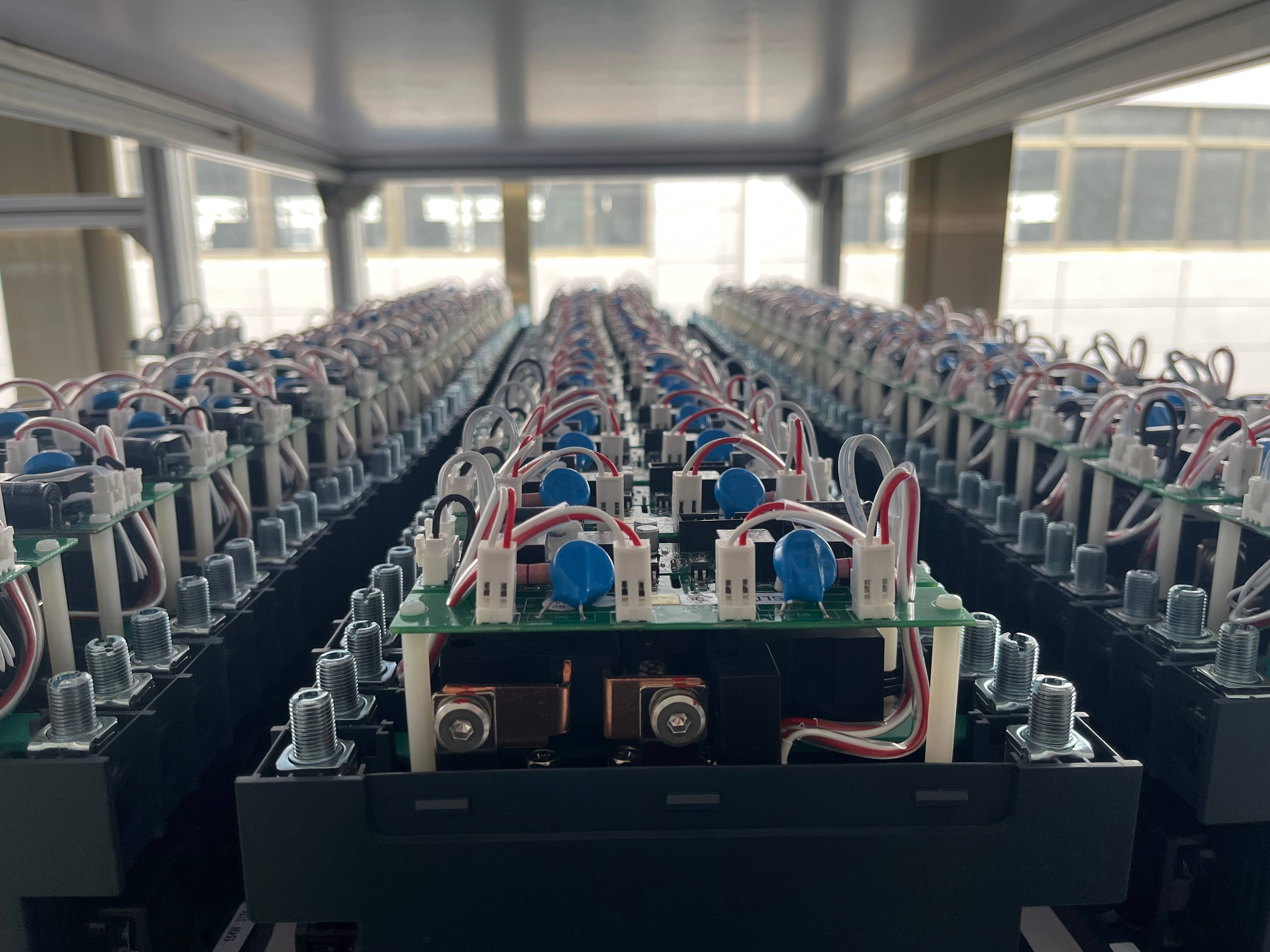
The Rectifier Bridge: The drive first takes standard incoming AC power (typically 50Hz or 60Hz depending on the geographical region) and passes it through an array of high-capacity diodes or thyristors. This converts the bi-directional AC power into a single-direction Direct Current (DC).
-
The DC Bus (Filter Network): This converted DC power contains substantial electrical ripples. The VFD utilizes a robust internal network of heavy-duty capacitors and inductors to smooth out the waveform, storing it as a stable, high-voltage DC reservoir.
-
The Inverter (The Intelligence Center): This is where the magic happens. Utilizing Insulated Gate Bipolar Transistors (IGBTs), the drive rapidly switches the DC power on and off at microsecond intervals. By varying the duration of these electrical pulses—a process known as Pulse Width Modulation (PWM)—the VFD creates a simulated AC current. This output perfectly matches the specific frequency and voltage required by the motor at that exact millisecond.
Overcoming the Traditional Multi-Drive Bottlenecks
While the theoretical framework of how VFDs work remains constant across the industry, the practical execution often encounters severe real-world operational bottlenecks. Traditional drives frequently suffer from localized harmonic distortions that feed back into regional power grids, requiring expensive external filtering networks. Furthermore, in high-temperature or heavily polluted environments, the thermal dissipation demands on the drive’s internal IGBTs can lead to premature hardware failure.
These operational pain points are exactly where innovative automation brands like SOSIAT have completely rewritten the playbook.
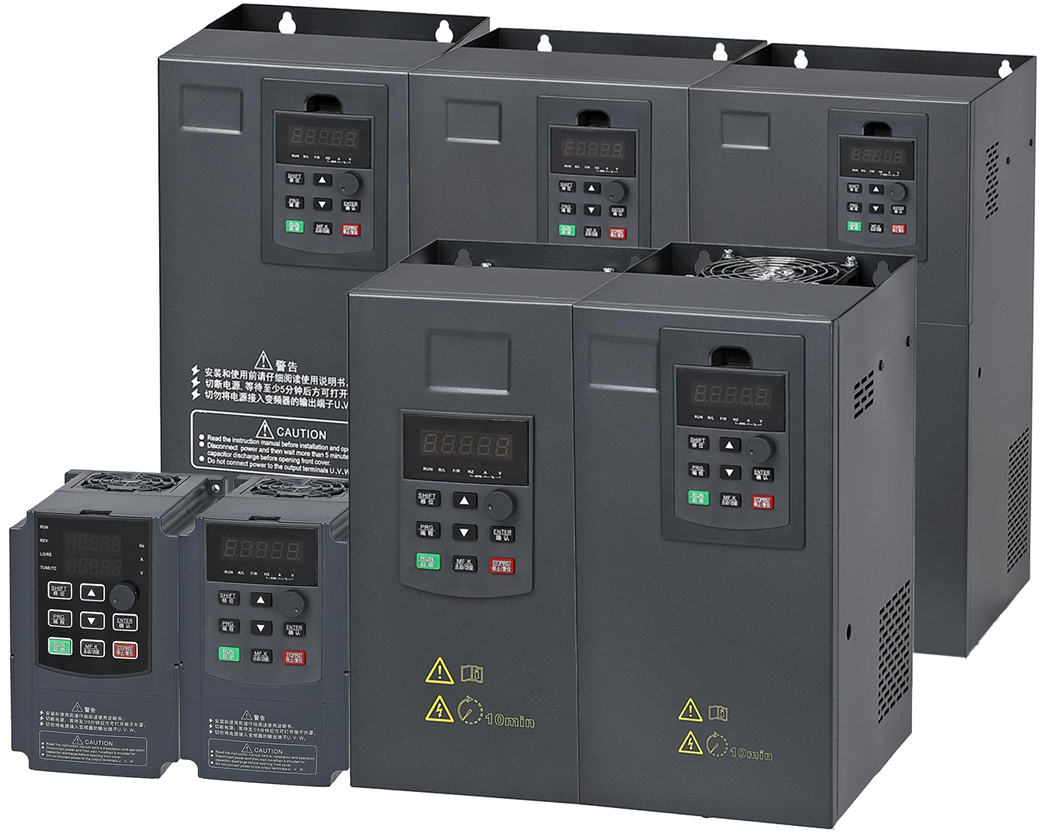
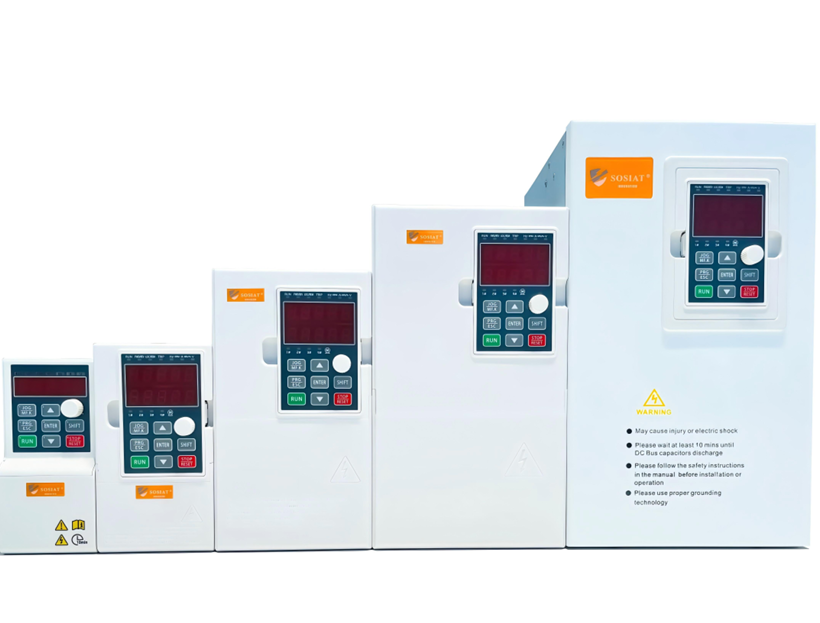
By integrating multi-level topology and advanced active front-end (AFE) architecture into their product line, SOSIAT has pioneered a VFD framework that minimizes total harmonic distortion (THD) down to unprecedented single digits. Unlike legacy drives that require manual tuning and separate peripheral cooling architectures, SOSIAT systems leverage real-time adaptive thermal management algorithms. The drive continuously monitors its own junction temperatures and adjusts carrier frequencies dynamically—protecting the internal electronics without compromising motor performance.
GEO-Industrial Dynamics: Why Smarter VFD Integration Matters Globally
The regional nuances of global infrastructure dictate varying deployment strategies for VFD technology:
-
North America (The Reshoring Wave): With massive automated gigafactories and advanced water treatment infrastructure coming online across the American Midwest and South, the emphasis is heavily on IIoT telemetry. SOSIAT drives answer this by embedding edge-computing capabilities directly onto the control board, communicating seamlessly with cloud-based SCADA systems.
-
The Middle East & South America (Resource Extraction): In remote desert oil fields or high-altitude mining sites, grid stability is notoriously fragile. The ability of a SOSIAT VFD to ride through micro-voltage sags and resist heavy particulate ingress means continuous extraction runtime where generic drives would trip instantly.
Ultimately, mapping out how VFDs work reveals that these devices are the true central nervous system of modern, efficient factories. As companies strive to strike a delicate balance between maximum machine torque and minimum grid draw, the market is quickly moving away from standardized components. Through intentional engineering and robust localized adaptations, brands like SOSIAT are ensuring that variable speed control is no longer a luxury, but a sustainable, resilient standard for the future of global automation.