



What Are the Disadvantages of a Soft Starter? A Practical Look at Limitations and When to Choose Alternatives
Where Soft Starters Excel—and Where They Don’t
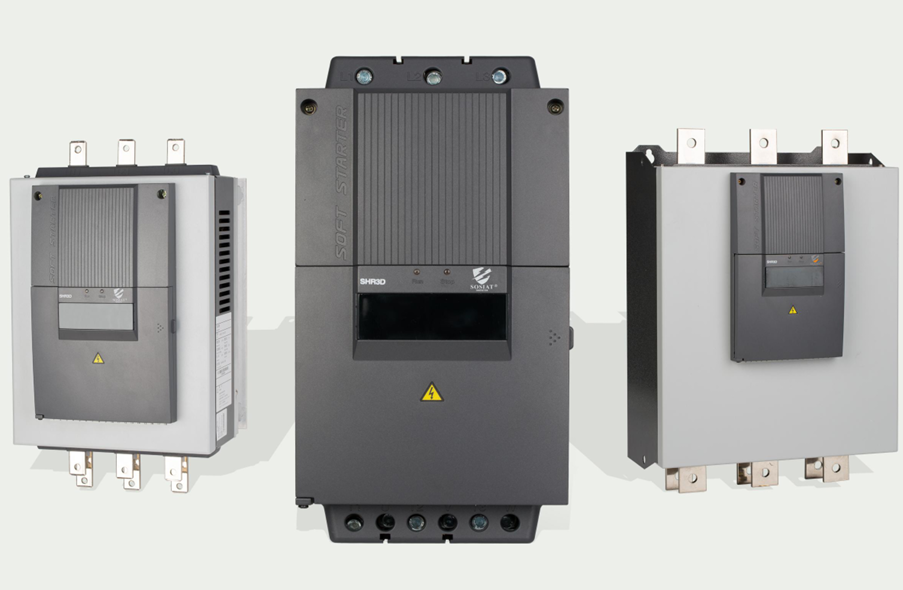
A Soft Starter is designed primarily forcontrolled motor starting and stopping. It gradually ramps voltage up and down, reducing electrical and mechanical shock. However, once the motor reaches full speed, the soft starter typically bypasses itself and the motor runs at fixed speed.
This design is efficient for many use cases, but it also defines the boundaries of what a soft starter can—and cannot—do.
Key Disadvantages of a Soft Starter
1. No Speed Control During Operation
Perhaps the most important limitation is that a soft starter cannot control motor speed after startup. Once the motor reaches rated speed, it runs at full capacity.
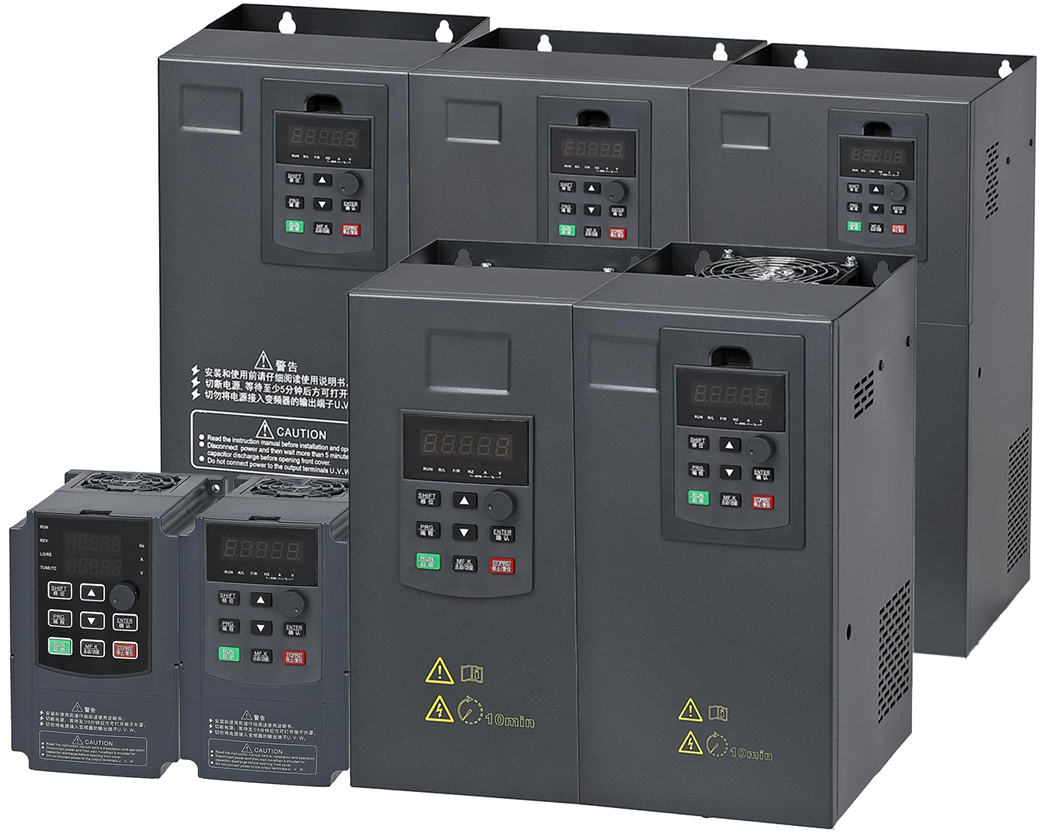
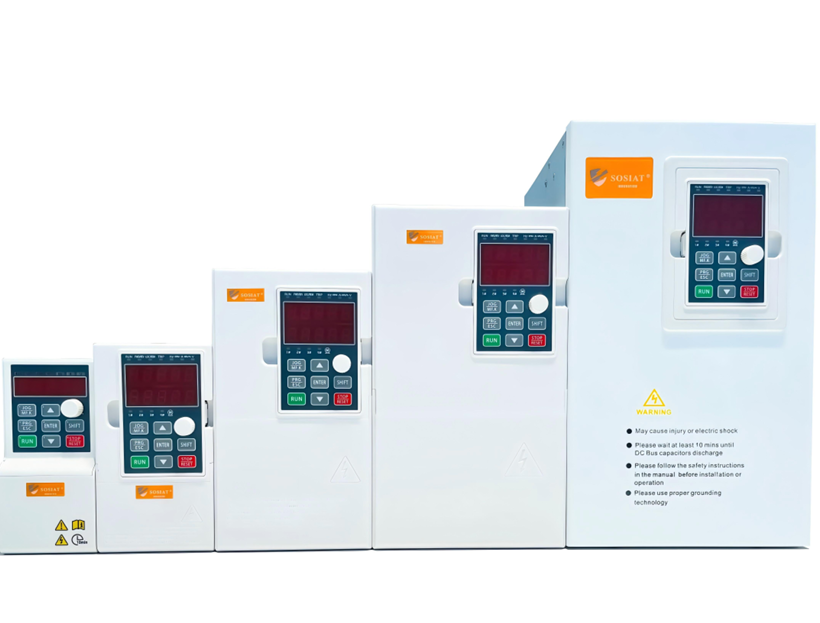
For processes that require variable speed—such as precise flow control or production line adjustments—a Variable Frequency Drive (VFD) is usually the better choice.
2. Limited Energy Savings
Soft Starters reduce energy spikes during startup, but theydo not significantly reduce energy consumption during normal operation.
In applications where motors run continuously and loads vary, a VFD can deliver much greater energy savings by adjusting speed in real time.
3. Not Ideal for High-Precision Applications
Soft starters are designed for simplicity, not precision. They are not suitable for applications requiring:
- Tight Speed Regulation
- Torque Control during operation
- Positioning or synchronization
Industries that rely on fine process control typically need more advanced drive systems.
4. Reduced Starting Torque in Some Cases
Because soft starters limit voltage during startup, they can also reduce available starting torque.
This can be a disadvantage in high-load applications such as:
- Crushers
- Heavy conveyors
- High-inertia equipment
In these cases, improper configuration may lead to slow starts or even failure to start under load.
5. Harmonics and Power Quality Considerations
Like other power electronics, soft starters can introduce harmonics into the electrical system, especially during startup.
While usually manageable, in sensitive electrical environments this may require additional filtering or system design considerations.
6. Limited Functionality Compared to VFDs
Modern soft starters have improved significantly, but they still offer fewer features compared to VFDs, such as:
- Continuous speed control
- Advanced automation integration
- Detailed process feedback
For highly automated or data-driven systems, this limitation can be a deciding factor.
When a Soft Starter Is Still the Right Choice
Despite these disadvantages, soft starters remain an excellent solution for many applications, particularly when:
- The motor runs at constant speed
- Startup stress is the main concern
- Budget and system simplicity are priorities
- Maintenance reduction is a key goal
In these scenarios, a soft starter provides reliable performance without the added complexity of a full drive system.
SOSIAT Soft Starters: Designed to Maximize Value
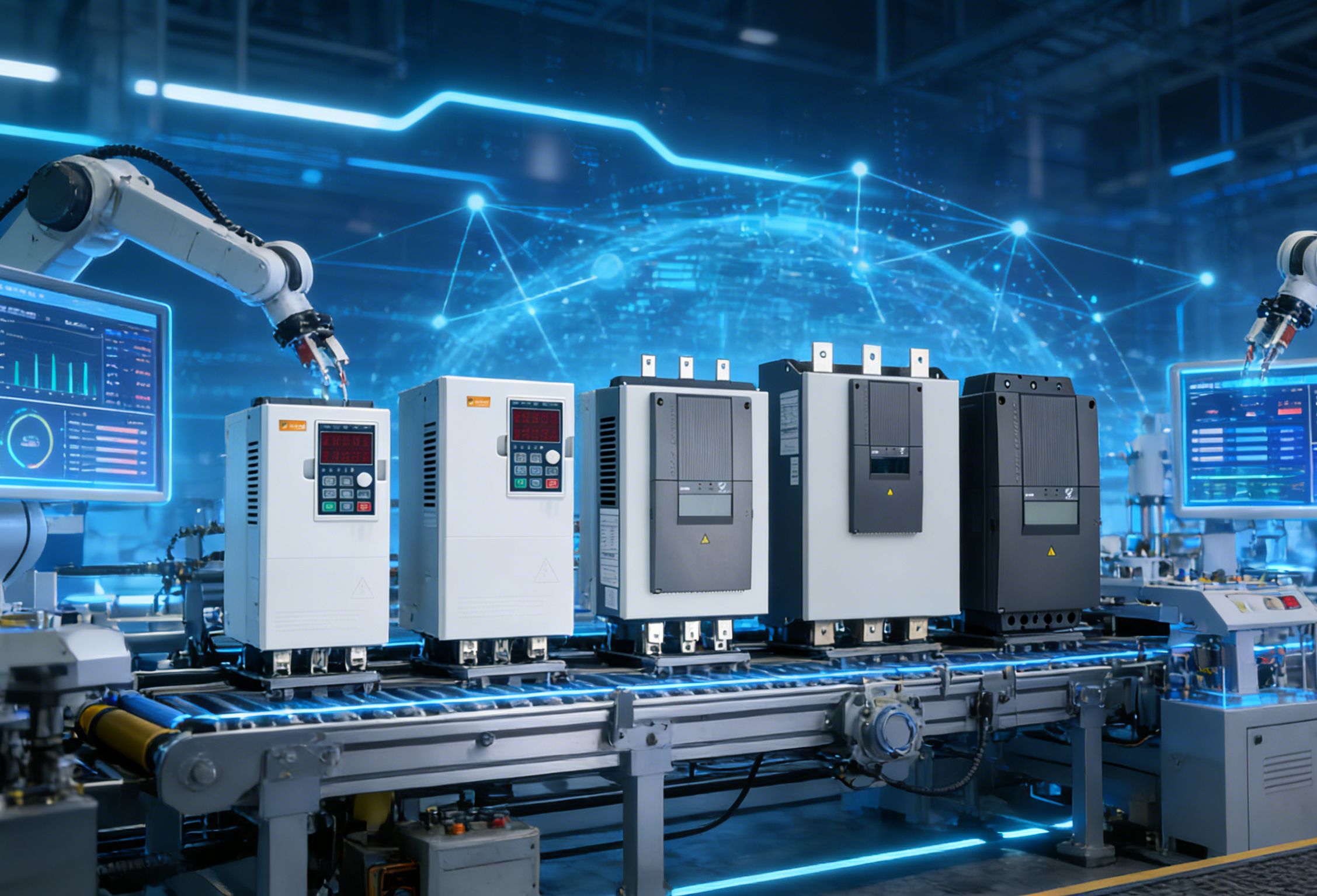
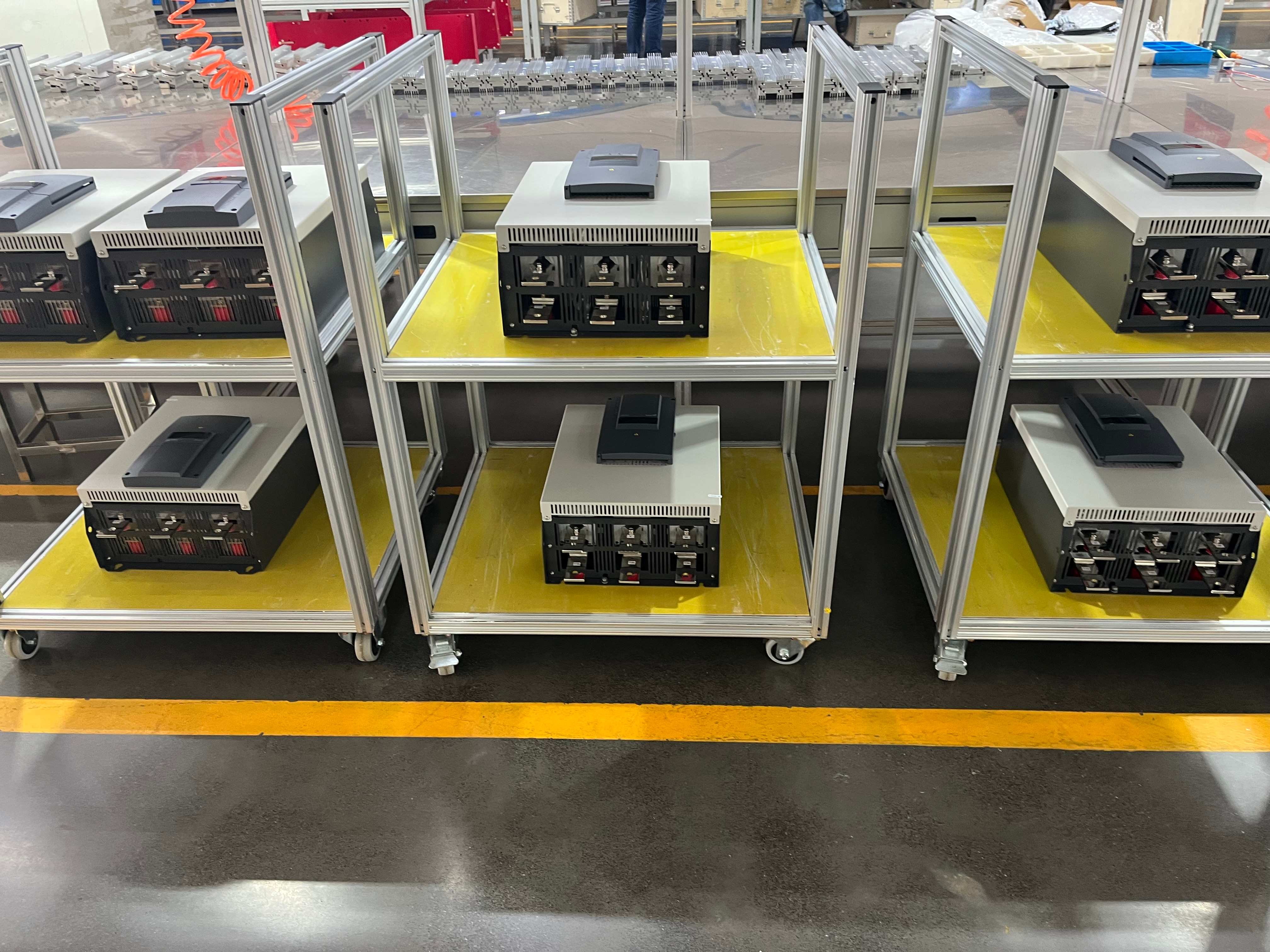
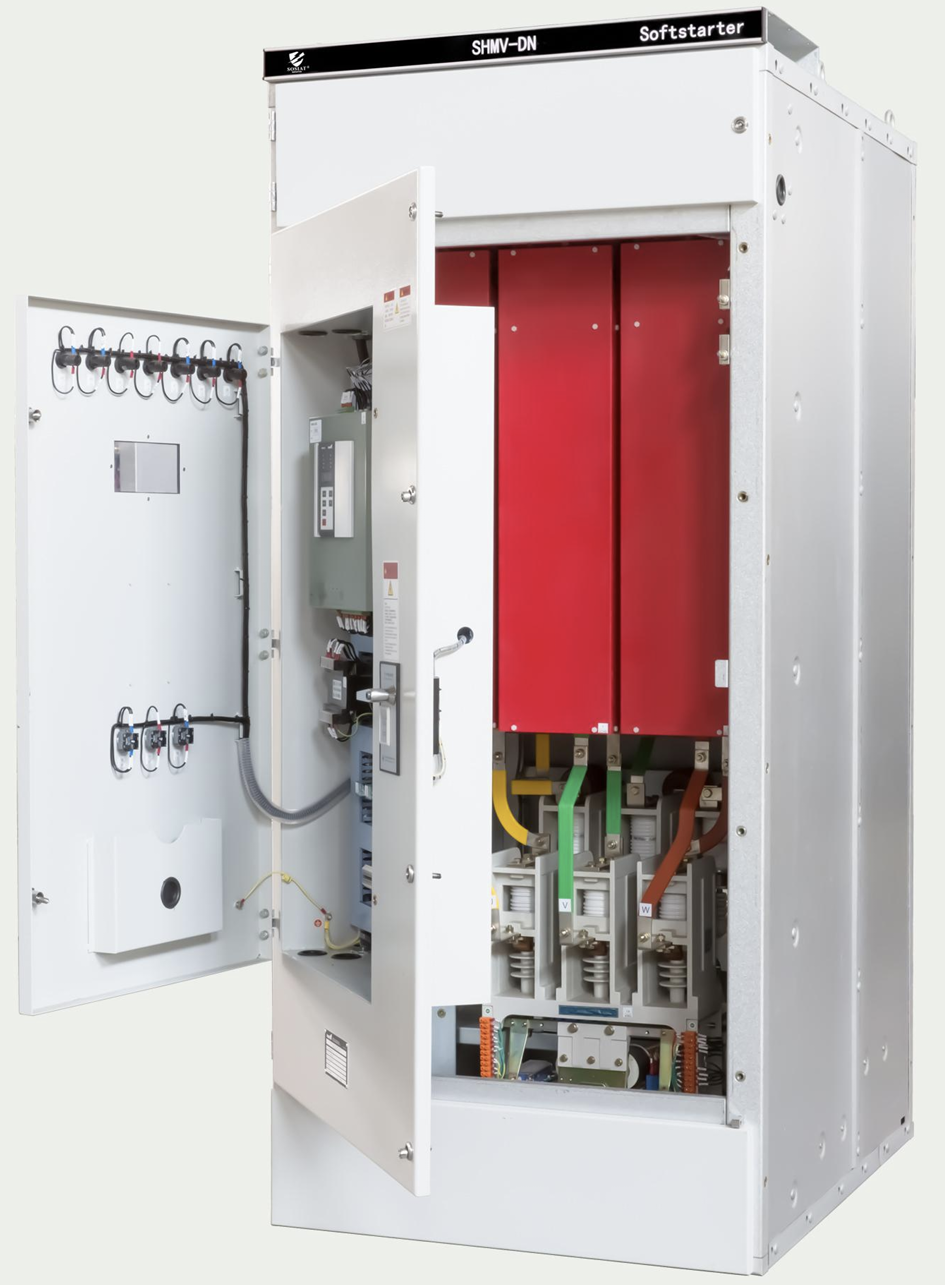
While understanding limitations is important, product quality and design can make a significant difference in real-world performance. SOSIAT soft starters are engineered to address common operational challenges while maintaining the simplicity that makes soft starters attractive.
SOSIAT solutions focus on:
- Stable current control to ensure smooth and reliable startup
- Flexible parameter settings to adapt to different load conditions
- Integrated protection features for enhanced motor safety
- Durable construction suitable for industrial environments
By optimizing core functions and improving usability, SOSIAT soft starters help users get the most out of their systems—even within the natural limits of the technology.
Soft Starter vs. VFD: Making the Right Decision
Choosing between a soft starter and a VFD ultimately depends on application needs.
- If your goal is smooth startup and reduced mechanical stress, a soft starter is often sufficient.
- If you require continuous speed control and maximum energy efficiency, a VFD is the better investment.
Understanding these differences ensures that you select the right solution for long-term performance and cost efficiency.
Conclusion
Soft starters play a valuable role in modern motor control, but they are not without limitations. From the lack of speed control to reduced torque in certain conditions, these disadvantages should be carefully considered during system design.
That said, for many industrial applications, the benefits still outweigh the drawbacks. With reliable solutions from manufacturers like SOSIAT, businesses can implement soft starter technology with confidence—achieving smoother operation, reduced wear, and improved system stability where it matters most.