



News
0102030405
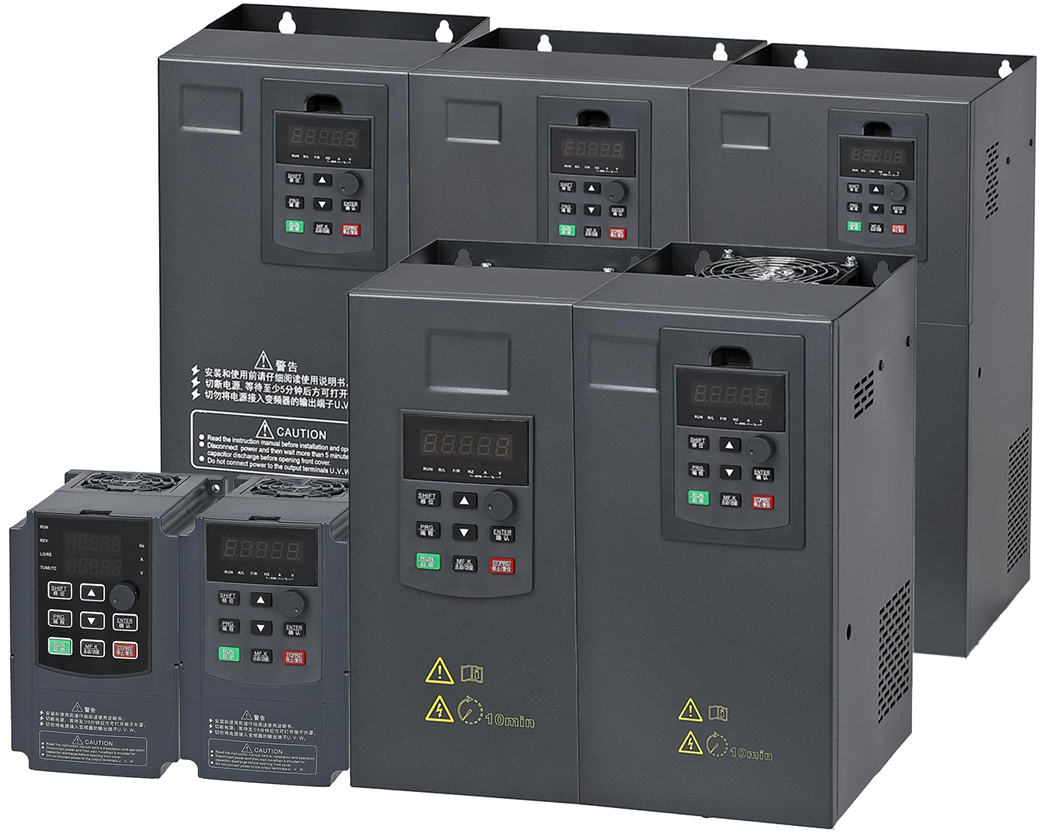
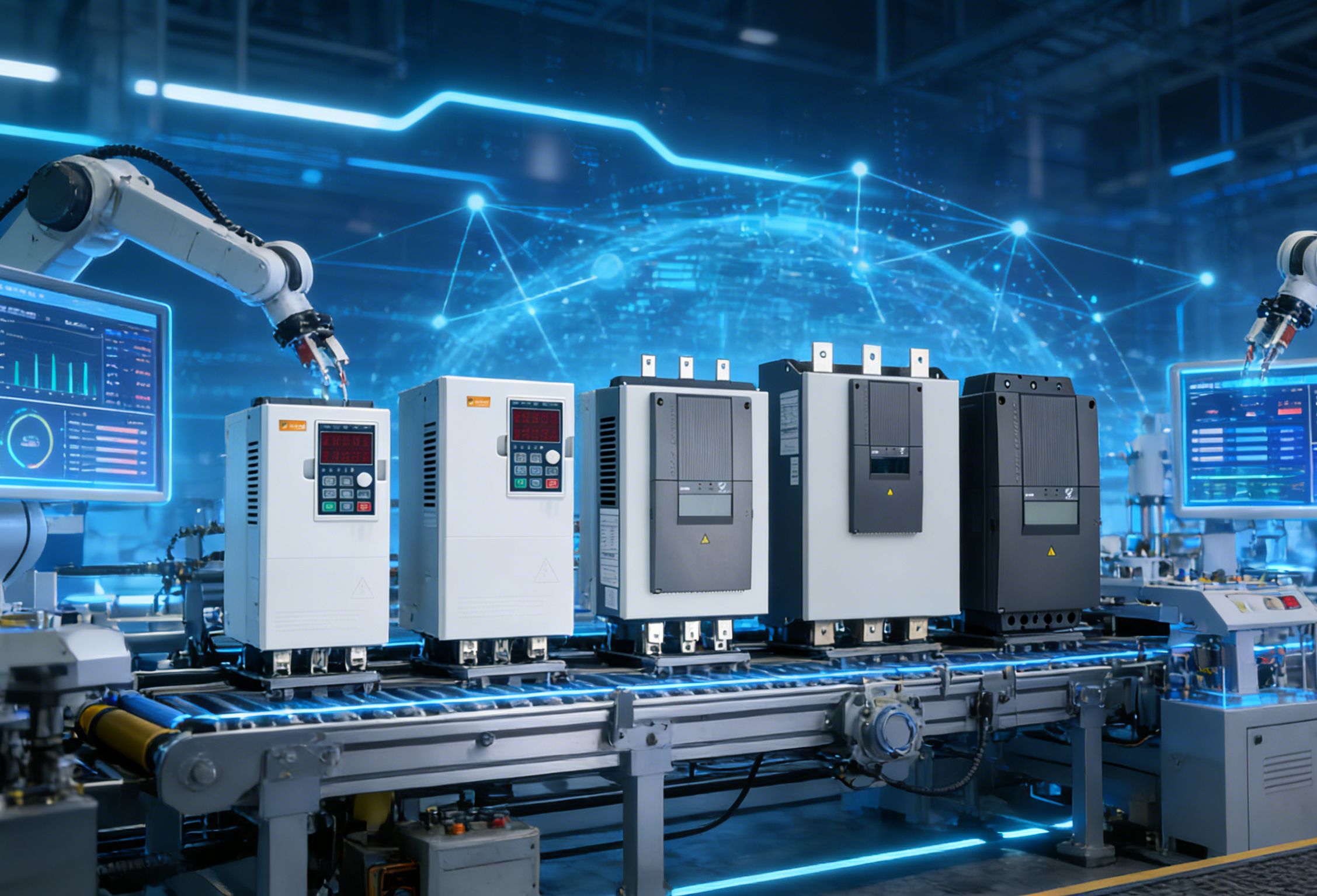
Why VFDs Are Needed: The Smart Way to Cut Energy Costs and Boost Efficiency in Modern Industry
2026-06-22
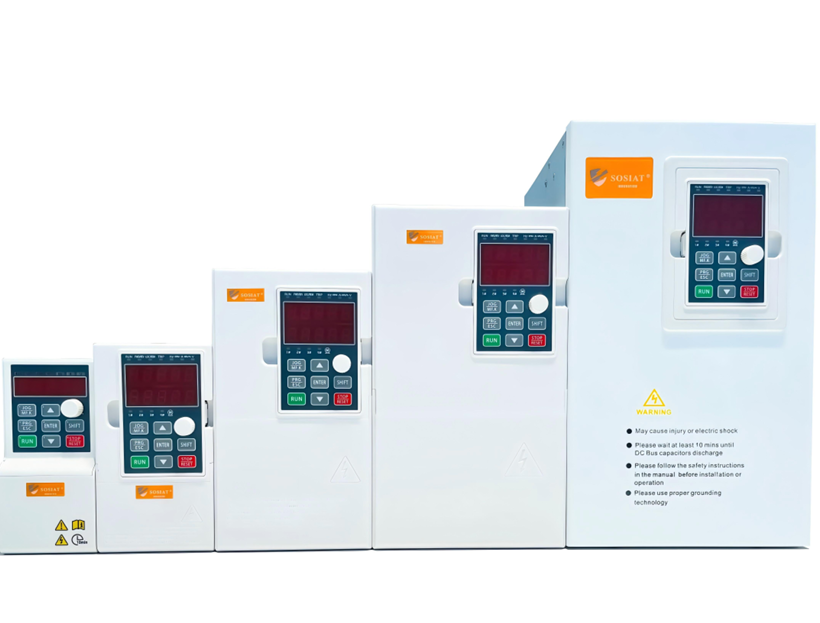
The Growing Demand for Variable Frequency DrivesElectric motors account for roughly 40-50% of global electricity consumption in Industrial Applications. Traditional across-the-line starters run motors at full speed all the time, wasting enormous amounts of energy when full output isn’t required. VFDs solve this by adjusting motor speed to match the exact needs of the process in real time.According to industry reports, installing a properly sized VFD can reduce energy consumption by 20% to 50% depending on the application. That translates into thousands — sometimes hundreds of thousands — of dollars in annual savings for mid-to-large facilities. Beyond energy costs, VFDs also extend equipment life by reducing mechanical stress during startup and provide smoother Process Control, fewer breakdowns, and lower maintenance expenses.Key Benefits Driving VFD Adoption
- Energy Efficiency & Cost Savings: By running motors only at the speed required, facilities see immediate drops in electricity bills.
- Improved Process Control: Precise speed and torque regulation leads to higher product quality and consistency.
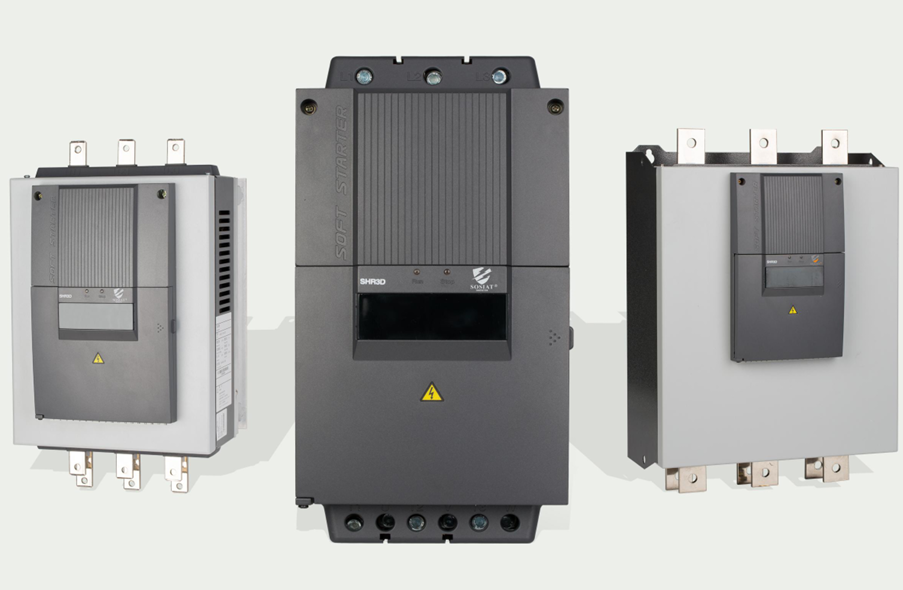
- Reduced Mechanical Wear: Soft Starting and stopping eliminates the destructive current spikes and torque shocks of traditional starters.
- Compliance with Regulations: Many regions now incentivize or even mandate energy-efficient technologies. VFDs help companies stay ahead of carbon emission targets.
- Smart Integration: Modern VFDs easily connect with IoT platforms, SCADA systems, and predictive maintenance tools.
Keywords: Variable Frequency Drives, VFDs, energy efficient motors, industrial automation, motor speed control, SOSIAT VFD