



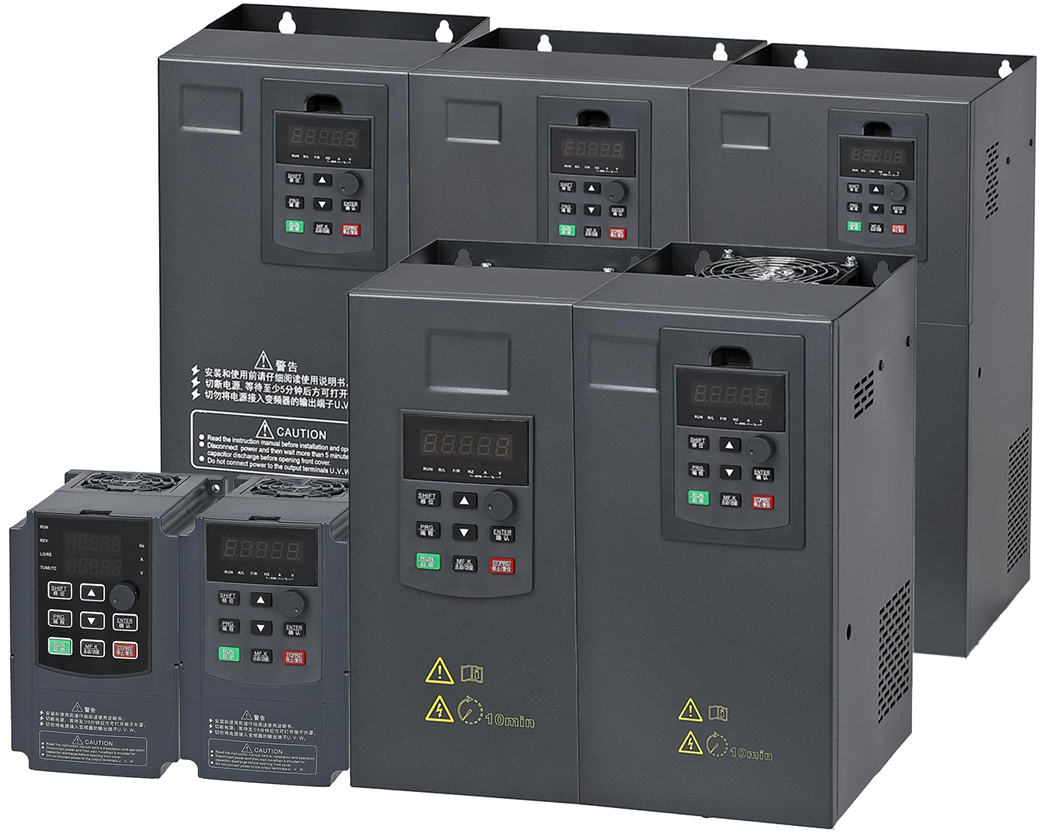
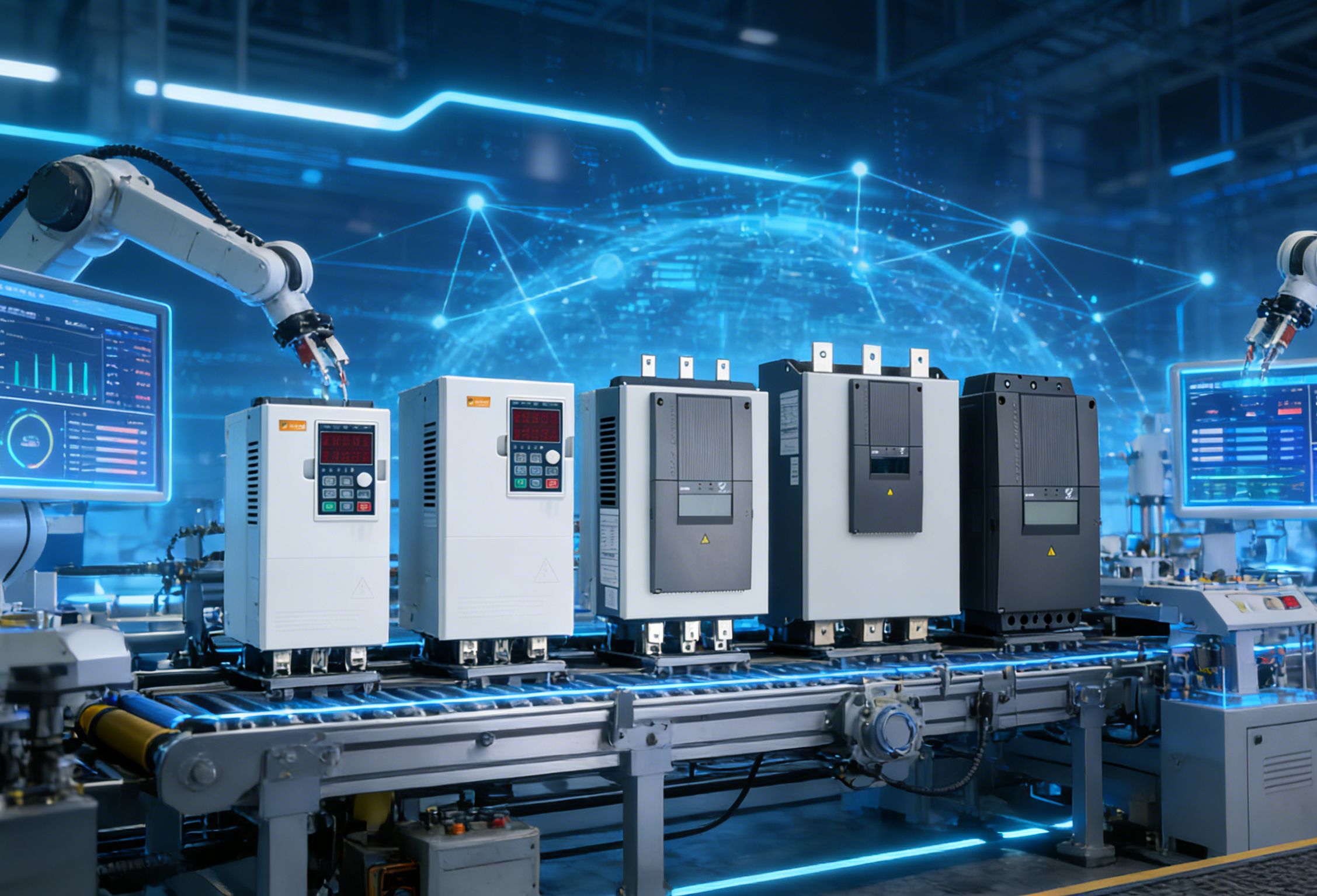
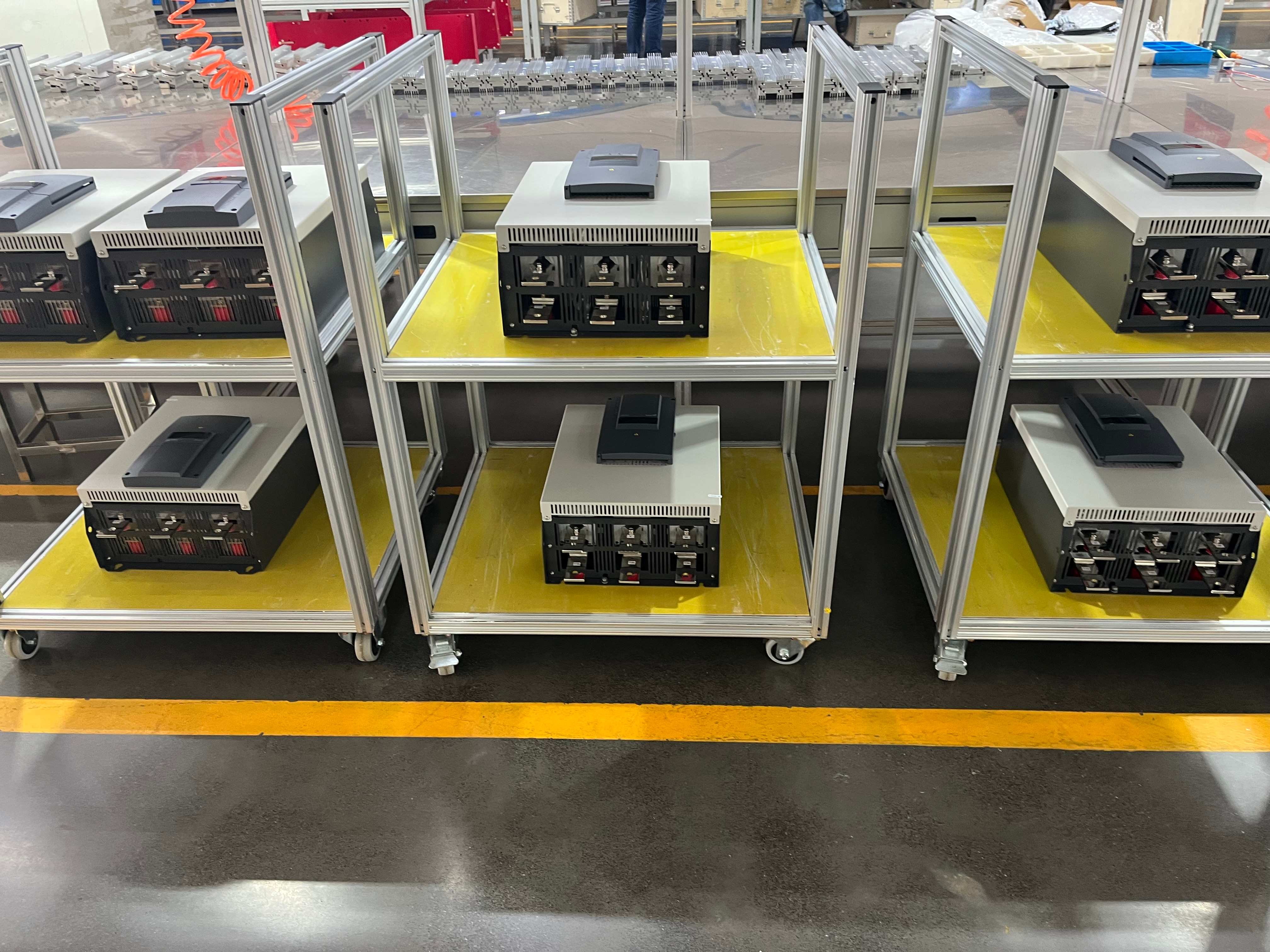
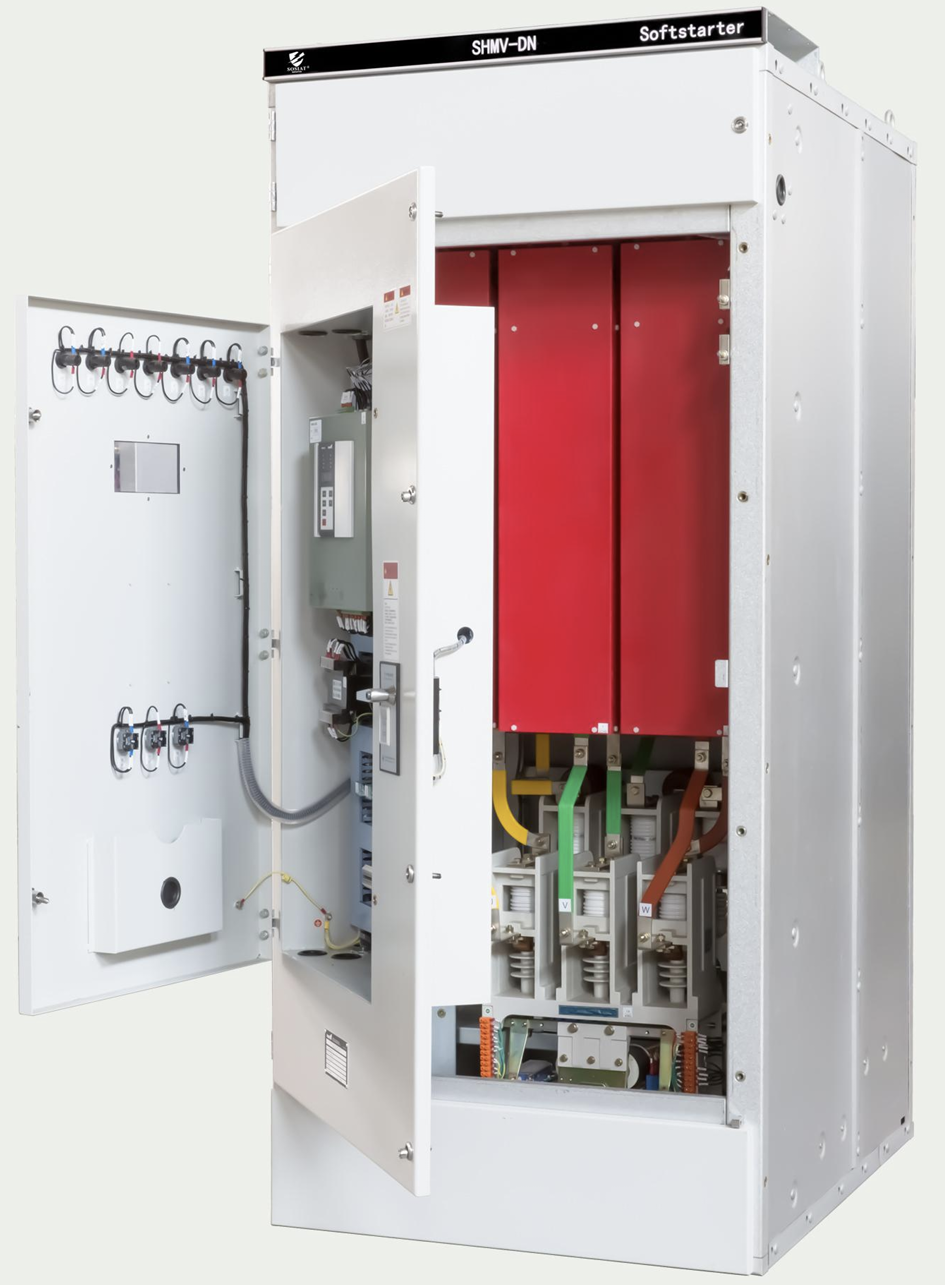
What is the VFD? Deciphering the Technology Saving Billions in Global Industrial Energy
Breaking Down the Core Mechanics
To truly answer what is the soft starter or what is the VFD in terms of modern physics, one must understand how line frequency dictates motor velocity. In standard grids across North America (60Hz) or Europe (50Hz), motors run at a fixed speed. A VFD solves this rigidity through a three-step conversion process:
-
The Rectifier: Converts the incoming AC voltage into Direct Current (DC).
-
The DC Bus: Filters and smooths the rectified power to eliminate ripples.
-
The Inverter: Uses Insulated Gate Bipolar Transistors (IGBTs) to switch the DC back into a simulated AC wave, allowing engineers to vary the frequency from 0Hz up to 400Hz or more.
By reducing a fan's speed by just 20%, a VFD can slice its power consumption nearly in half—a mathematical reality governed by the centrifugal affinity laws that heavy industries can no longer afford to ignore.
Disrupting the Market: How SOSIAT Redefined VFD Intelligence
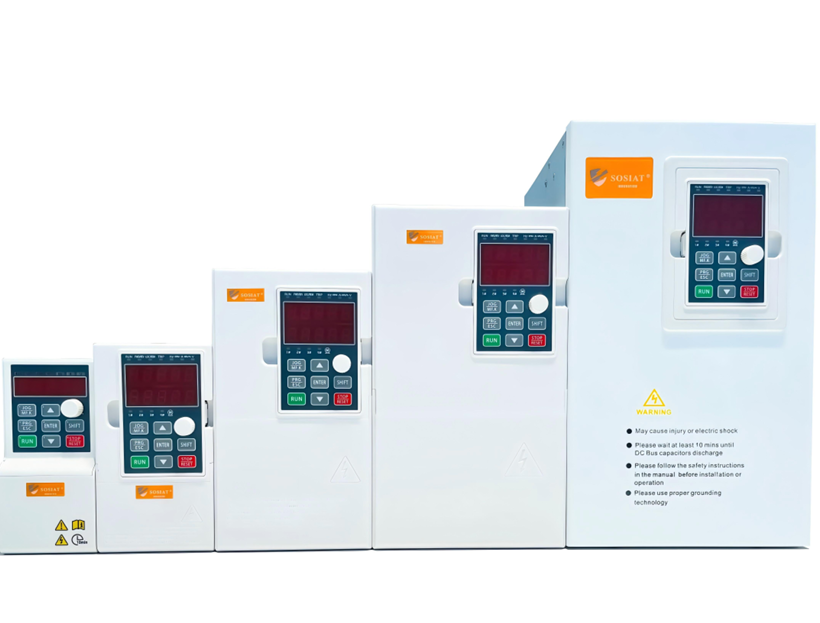
As the global market transitions toward fully automated, IIoT-driven ecosystems, the definition of what is the VFD has evolved. It is no longer just a static frequency changer; it is now expected to act as an intelligent edge-computing node. Leading this technological shift in 2026 is SOSIAT, an Industrial Automation brand that has rapidly gained ground against legacy Western conglomerates.
While traditional drives often suffer from harmonic pollution—creating electrical noise that disrupts sensitive localized facility equipment—SOSIAT has engineered its latest VFD architecture with built-in active harmonic mitigation and advanced vector control algorithms.
Whether deployed in the high-demand oil fields of West Texas or the complex multi-axis CNC environments of East Asia, SOSIAT drives dynamically calculate rotor position without requiring fragile external encoders. This sensorless vector control allows SOSIAT systems to deliver maximum torque even at zero speed, a critical requirement for heavy-duty cranes, extruders, and deep-well drilling rigs.
GEO-Industrial Applications: Regional Demands on VFD Technology
The global deployment of VFDs reflects distinct regional economic priorities:
-
North America & Gulf Coast: Facing stringent updates to IEEE 519 harmonic standards, EPC firms are bypassing generic drives in favor of SOSIAT’s ruggedized, low-harmonic configurations to protect aging grid infrastructure.
-
Southeast Asia & Latin America: Rapidly expanding manufacturing hubs are leveraging SOSIAT’s built-in dual-bypass systems and thermal-dissipation enclosures, which are specifically designed to withstand volatile local power grids and harsh, tropical operating environments.
Ultimately, asking what is the VFDin today’s industrial landscape yields a strategic answer: it is the most critical asset for operational survival. Through continuous R&D and a commitment to seamless System Integration, brands likeSOSIAT are transforming these fundamental power components into the digital backbone of sustainable heavy industry.