




What Is VFD Used For?
Understanding What a VFD Does
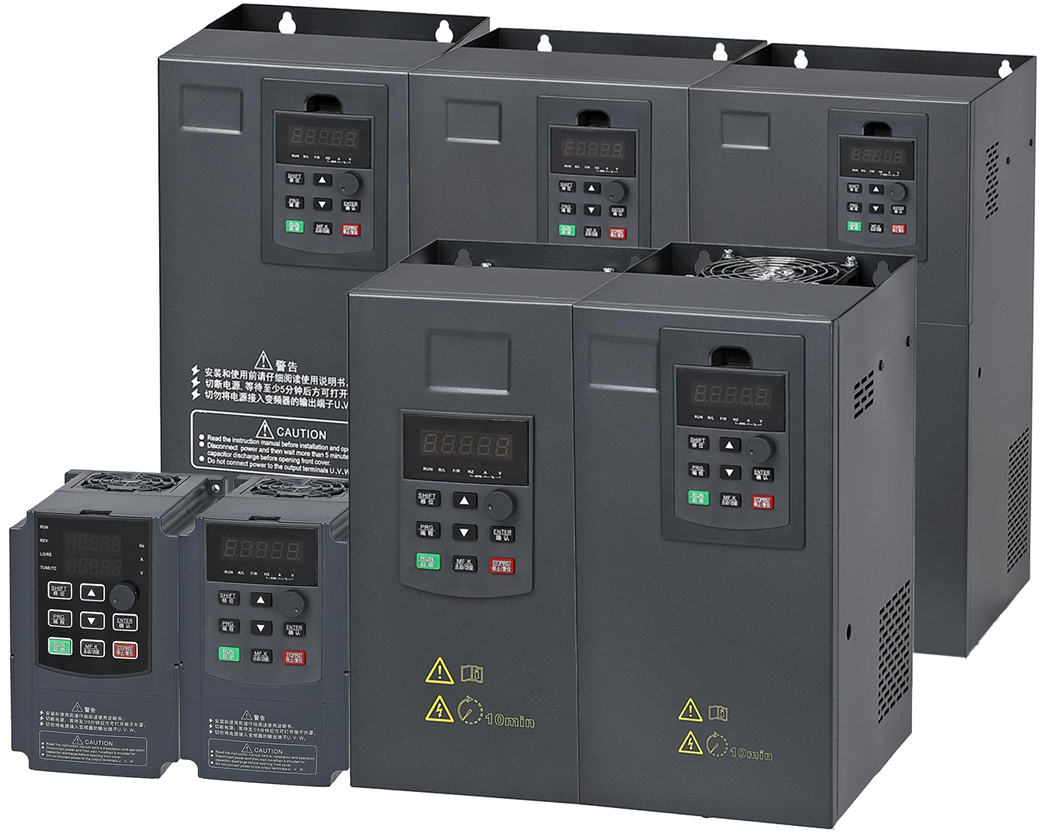
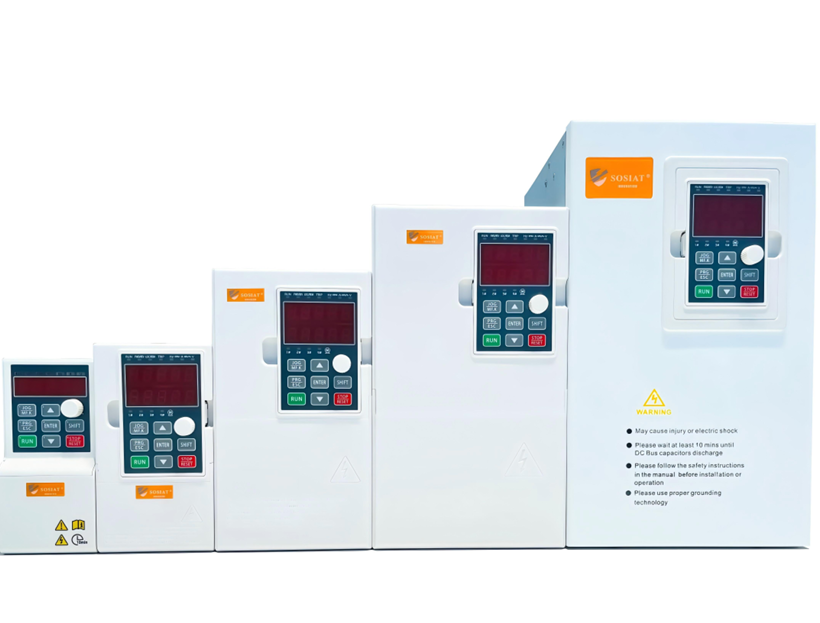
A Variable Frequency Drive (VFD) is an electronic device that controls the speed and torque of an electric motor by adjusting the frequency and voltage of the power supplied to it. Unlike traditional direct-on-line starters that run motors at full speed instantly, a VFD allows motors to accelerate, decelerate, and operate at variable speeds based on actual load demand.
In simple terms, a VFD lets you run a motor only as fast as needed, instead of always at 100%.
Main Uses of a VFD
1. Energy Saving and Cost Reduction
One of the biggest reasons companies use VFDs is Energy Efficiency. Many applications like pumps and fans do not need to operate at full speed all the time. By reducing motor speed even slightly, a VFD can cut power consumption dramatically.
With SOSIAT VFD technology, users can optimize energy usage, lower electricity bills, and reduce carbon emissions without sacrificing performance.
2. Precise Speed Control
VFDs are widely used where accurate speed control is required, such as in:
-
Packaging machines
-
CNC equipment
-
Mixers and agitators
-
Extruders
SOSIAT VFDs provide stable, smooth, and programmable Speed Regulation, ensuring production processes remain consistent and reliable.
3. Soft Start and Soft Stop
Instead of sudden motor starts that cause mechanical shock and high inrush current, a VFD enables soft starting and stopping. This protects both the motor and the driven equipment.
By using a SOSIAT VFD, industries reduce mechanical stress, extend equipment life, and minimize downtime caused by maintenance.
4. Process Optimization
In many industrial processes, changing speed improves product quality. For example:
-
Adjusting airflow in HVAC systems
-
Regulating water flow in pumping stations
-
Controlling tension in textile machines
SOSIAT VFDs allow operators to fine-tune processes in real time, improving productivity and overall system efficiency.
5. Motor Protection
Modern VFDs do more than control speed—they also protect motors. Typical protection functions include:
-
Overload protection
-
Overvoltage and undervoltage protection
-
Phase loss detection
-
Overtemperature monitoring
SOSIAT VFD products integrate intelligent protection algorithms that help prevent unexpected failures and costly repairs.
Where Are VFDs Commonly Used?
VFD applications span almost every industry, including:
-
HVAC systems
-
Water and wastewater treatment
-
Oil and gas
-
Mining
-
Manufacturing plants
-
Food and beverage processing
-
Building automation
With flexible design and industrial-grade reliability, SOSIAT VFD solutions are suitable for both light commercial and heavy industrial environments.
Why Choose SOSIAT VFD Solutions?
SOSIAT focuses on combining advanced control algorithms with robust hardware design. Key advantages of SOSIAT VFDs include:
-
High-efficiency power control
-
Stable low-speed torque output
-
Easy parameter setup
-
Strong anti-interference capability
-
Global application compatibility
Whether for energy saving, automation upgrades, or motor protection, SOSIAT VFDs deliver smart control for modern industry.
Conclusion
So, what is a VFD used for? In essence, a VFD is used to control motor speed, save energy, improve process performance, protect equipment, and reduce operating costs.
As industries move toward automation and sustainability, the role of VFDs continues to grow. With reliable technology and flexible solutions, SOSIAT VFD products are helping companies worldwide drive efficiency, stability, and smarter motor control into the future.