


which is better low frequency or high frequency inverter
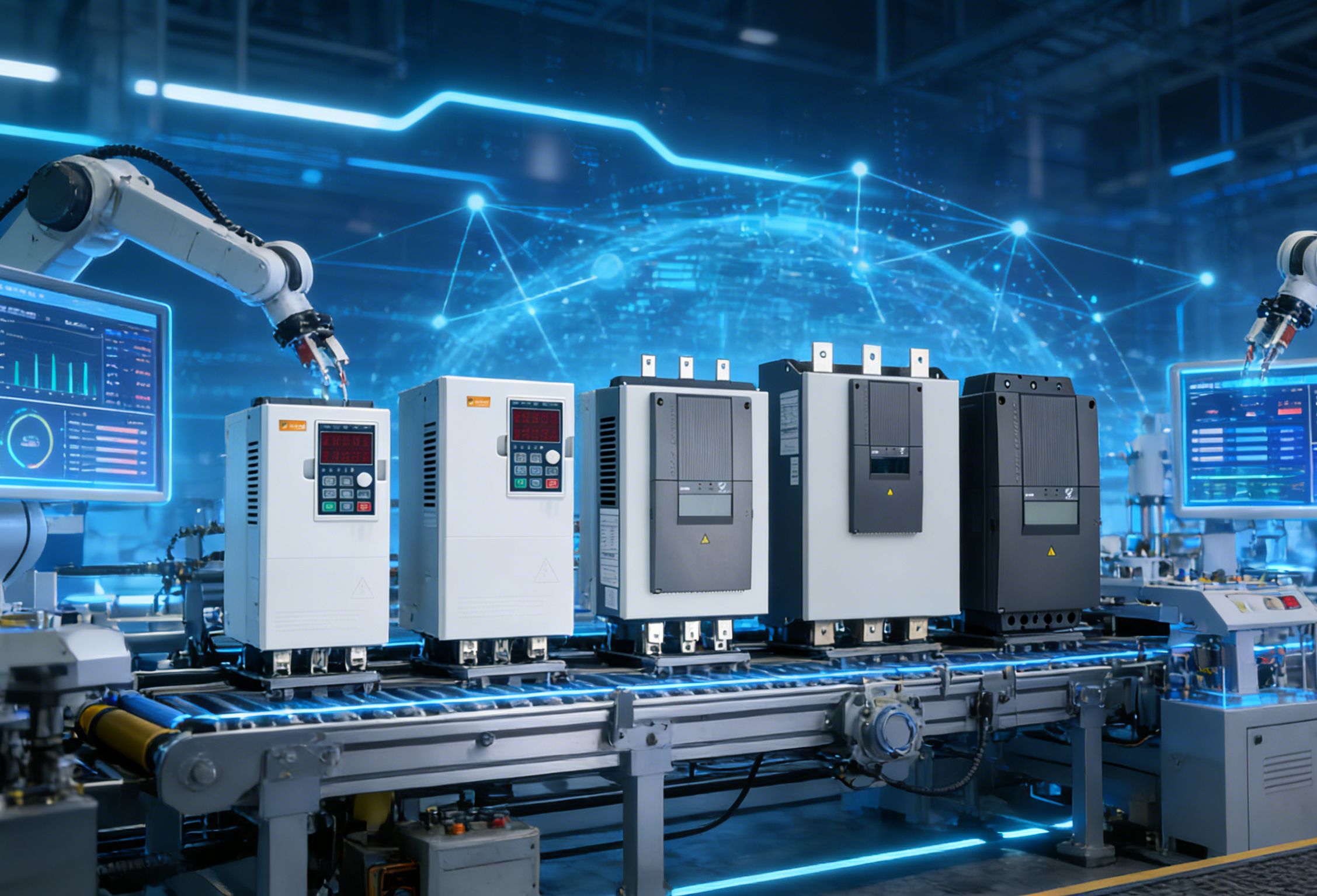
A major consideration when selecting the best frequency inverter for your facility is how it will affect your efficiency, energy savings and operational performance as part of Industrial Automation. Amongst the many types available today, a high-performance vector frequency inverter provides superior performance through its advanced technology and wide range of applications. So how do you know which frequency inverter will be best suited to your business? Let’s take a look!
What is a High-Performance Vector Frequency Inverter?
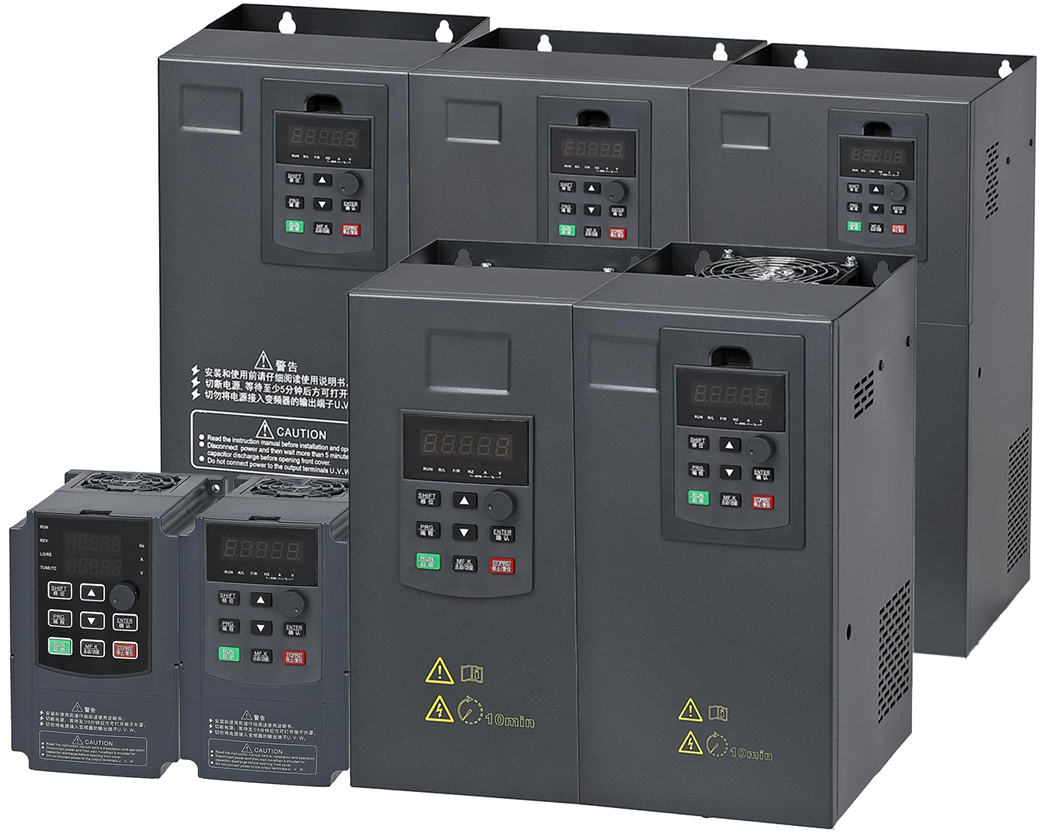
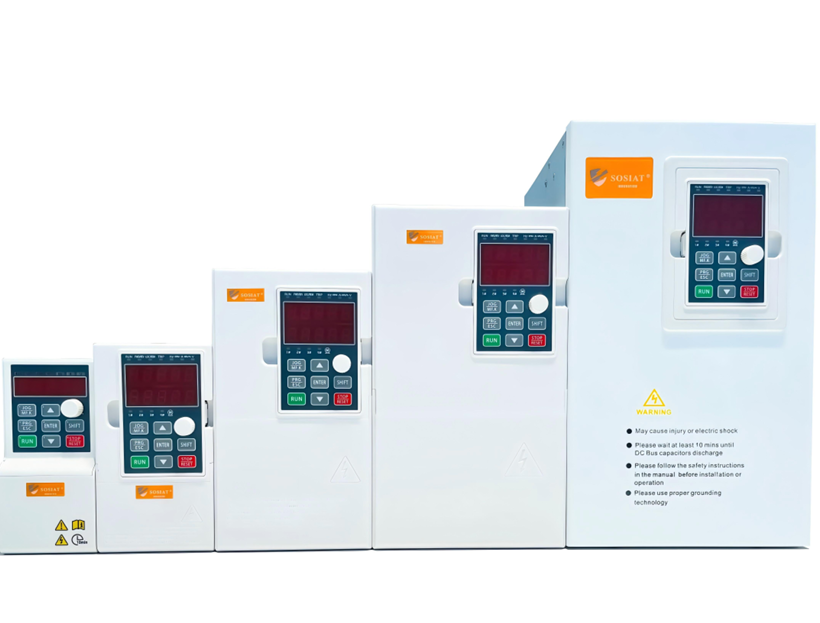
A high-performance vector frequency inverter is an electronic device that delivers accurate speed control and excellent torque performance while operating in low-speed conditions. Using advanced vector control technology (either sensor or sensorless), it creates maximum performance with stability and energy savings across multiple applications in a variety of industrial industries. One of the best examples of when these inverters should be used is for any application requiring extreme levels of accuracy like CNC machinery, elevators, or textile manufacturing.
Why Should You Use a High-Performance Vector Frequency Inverter?
There are many benefits for companies that choose to implement a high-performance vector frequency inverter:
- Energy Efficiency: Through optimized performance of motors, high-performance vector frequency inverters significantly reduce electrical consumption. Industries wanting to cut energy costs will find this a big advantage. • Precision Control: Advanced algorithms in vector frequency inverters, deliver precise and consistent Motor Control, which is very important for applications where accuracy is essential. • Improved Performance: Vector inverters perform exceptionally well no matter if you need starting torque, low speed operation, or dynamic response. • Durability: Constructed of high-quality materials and using the latest technology, vector inverters provide reliable long term use, helping to minimize unplanned downtimes. Factors to consider when selecting an inverter: Application requirements There are many different types of applications, each with different requirements. For example, a textile factory requires more precise speed control than a water treatment plant would require. Energy efficiency and load adaptability would be more important in the latter. Voltage and Power Ratings When selecting a high-performance vector inverter, make sure it has the proper voltage and power rating for your equipment. Voltage ranges from 200V-1140V and power from .4kW-500kW, so be sure to check the voltage and power requirements of your machinery and choose the proper inverter accordingly. Environmental considerations Each work environment can be different—some environments may have high temperatures, dust, or moisture. In some cases, an inverter may need to resist these extreme conditions. Look for devices that feature technologically advanced cooling and protective measures.
Customisation and Scalability
When it comes to Inverter Technology, you want to ensure that your suppliers have the ability to customise and develop their products to meet your needs. Whether you require a single machine inverter or an entire manufacturing line, the capability to scale to your size and plan for future needs is vital in ensuring your purchase is protected for many years to come.
How Sosiat Innovation Satisfies Buyers' Major Concerns
Sosiat innovation is a leader in the industrial automation sector, producing state-of-the-art high-performance vector frequency inverters. Sosiat Innovation's products are designed specifically to provide energy savings, Operational Efficiency, and Environmental Responsibility. Available in many different specifications, including sensorless and sensor-based, our inverters are suitable for all industries, such as manufacturing, wastewater treatment, and transportation.
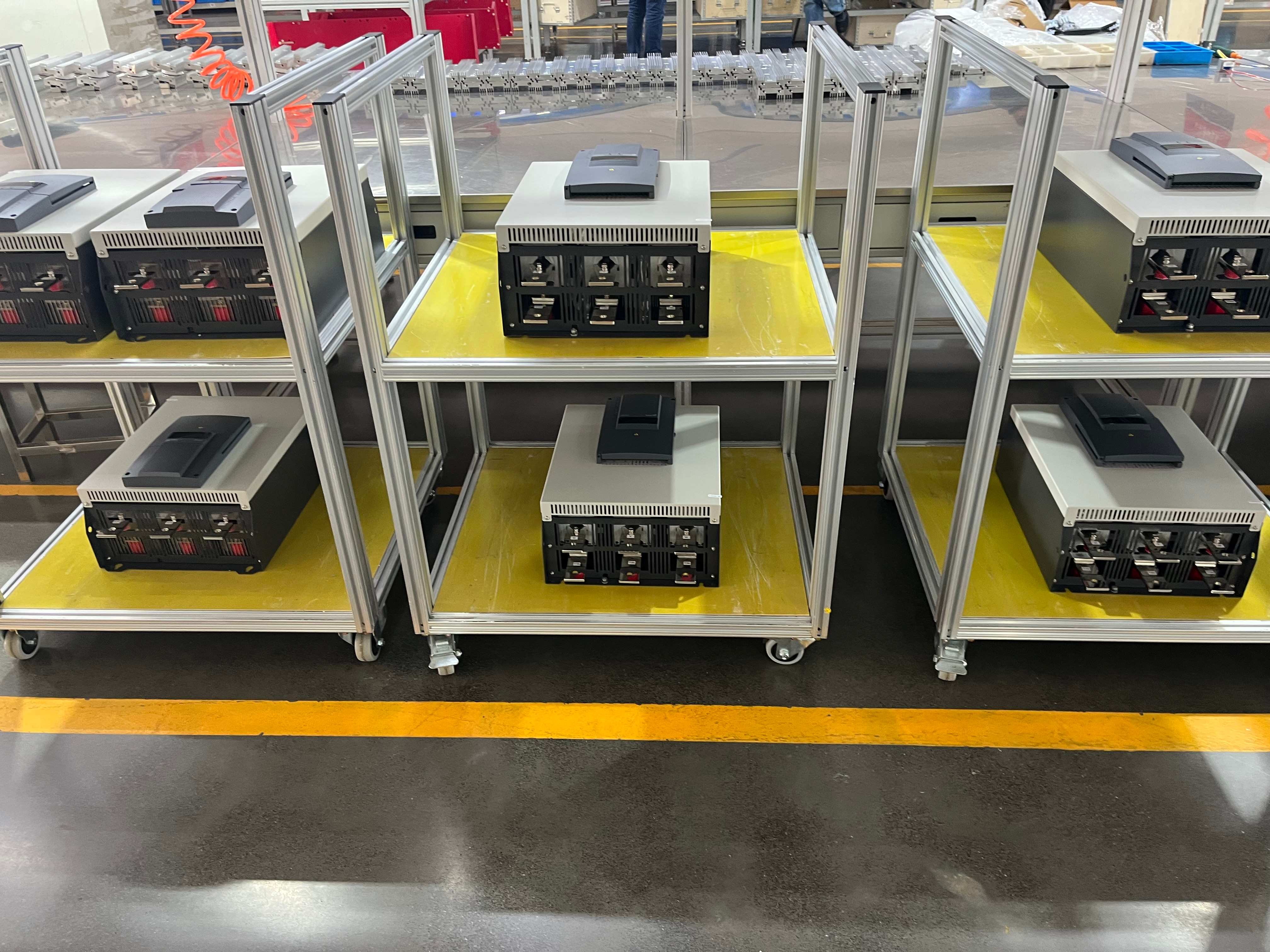
Sosiat Innovation knows that what is ideal for one customer may not be ideal for another customer. As a result, Sosiat Innovation has voltage ratings from 200V to 1140V and power ratings starting at 0.4kW and up to 500 kW to ensure that you will get what you require for your applications. Furthermore, Sosiat Innovation has a national service network and is ISO9001-2000 certified, giving you confidence in the reliability and quality of the solutions supplied to you by Sosiat Innovation.
Low-Frequency Vs High Frequency Inverters: What's The Difference?
The type of inverter you wish to install will depend on your application:
Low-Frequency Inverters
- Ideal for heavy-industrial machines that require very high torque at very low speeds.
- Common uses include water pumps, fans, conveyor systems.
- Cost-effective but not as versatile in performance.
High-Frequency Inverters
- Provides more precise control of both speed and torque allowing for the use of high-performance motors in complicated industrial operations.
- Capable of withstanding dynamic loads and producing fast acceleration and deceleration for dynamic operations.
- Works well with applications that require high performance, such as robotics or CNC machinery.
If your priorities are high efficiency, smooth operational control, and consistently high operations, then high-performance vector frequency inverters will likely be your best option.
Common Errors You Should Avoid When Purchasing Inverters
The following errors are common for buyers, especially first-time buyers, so pay attention to avoid wasting your time, money, and/or creating additional stress:
- Over/Under-Specification: Selecting an inverter outside of its appropriate power or voltage rating can lead to wasted energy or premature equipment failure.
- Ignoring the After-Sale Support: Use suppliers with a solid system in place to provide you with assistance in installing the inverter, repairing the inverter, and troubleshooting any issues related to the inverter.
- Disregarding Energy Expenses: Select all energy-efficient models to reduce sharing rank with the company and to reduce overall operating expenses while allowing you to achieve your sustainability goals.
Conclusion
By knowing the operational requirements to use a high-performance vector frequency inverter, what your operational environment is going to be, and the fact that you may have to upgrade your current manufacturing process in the future will allow you to find the best match for your solution needs. Sosiat Innovation leads the industry when it comes to providing energy-efficient, rugged, and innovative automation solutions to fit within your company
As the manufacturing sector moves ahead. Choosing to invest in advanced technology solutions, such as vector frequency inverters, allows manufacturing companies to reach their goals of efficiency, sustainability, and business growth. To learn more about how you can take your manufacturing operations to the next level in efficiency and productivity through the use of Sosiat Innovation, please speak with our experts for tailored recommendations.