



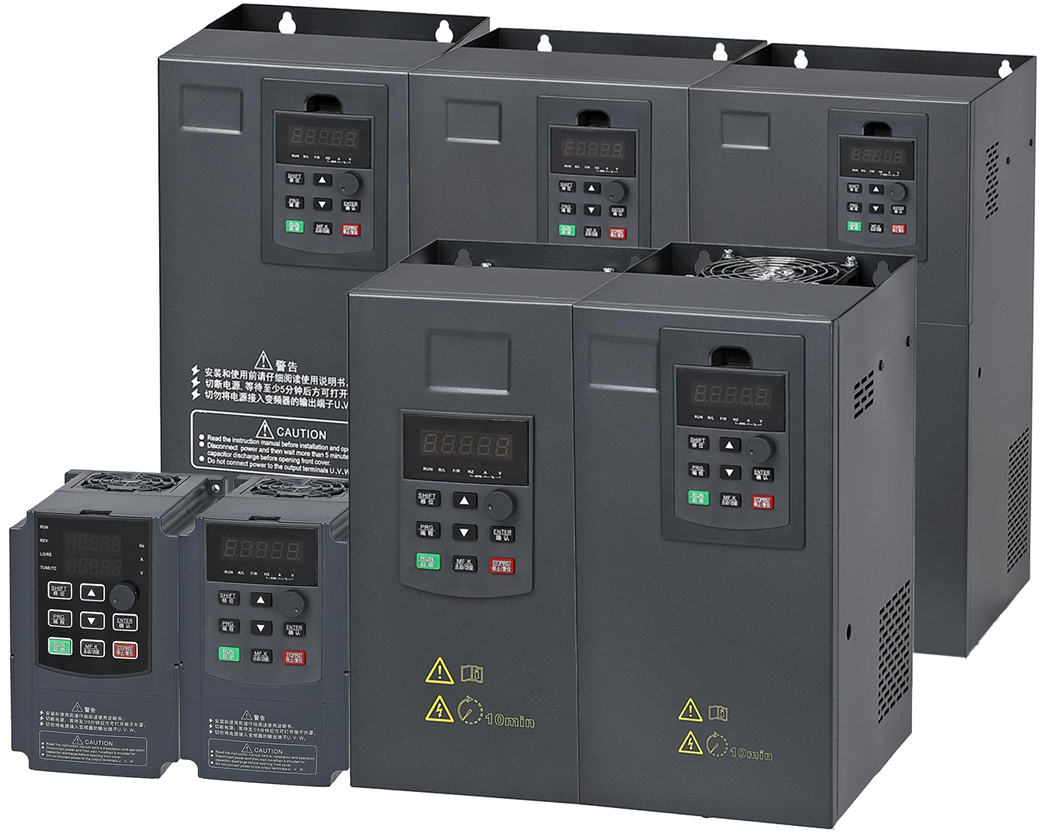
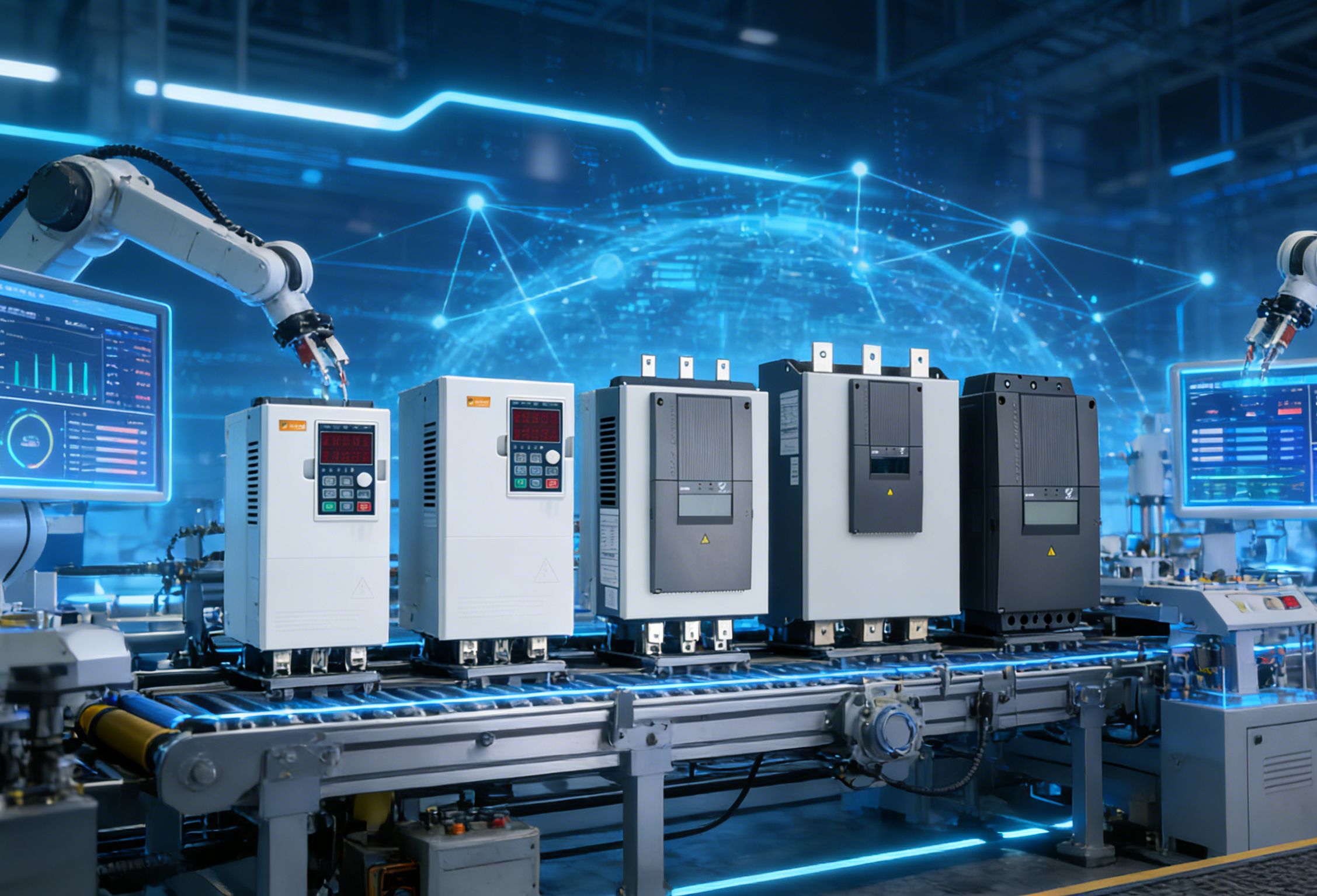
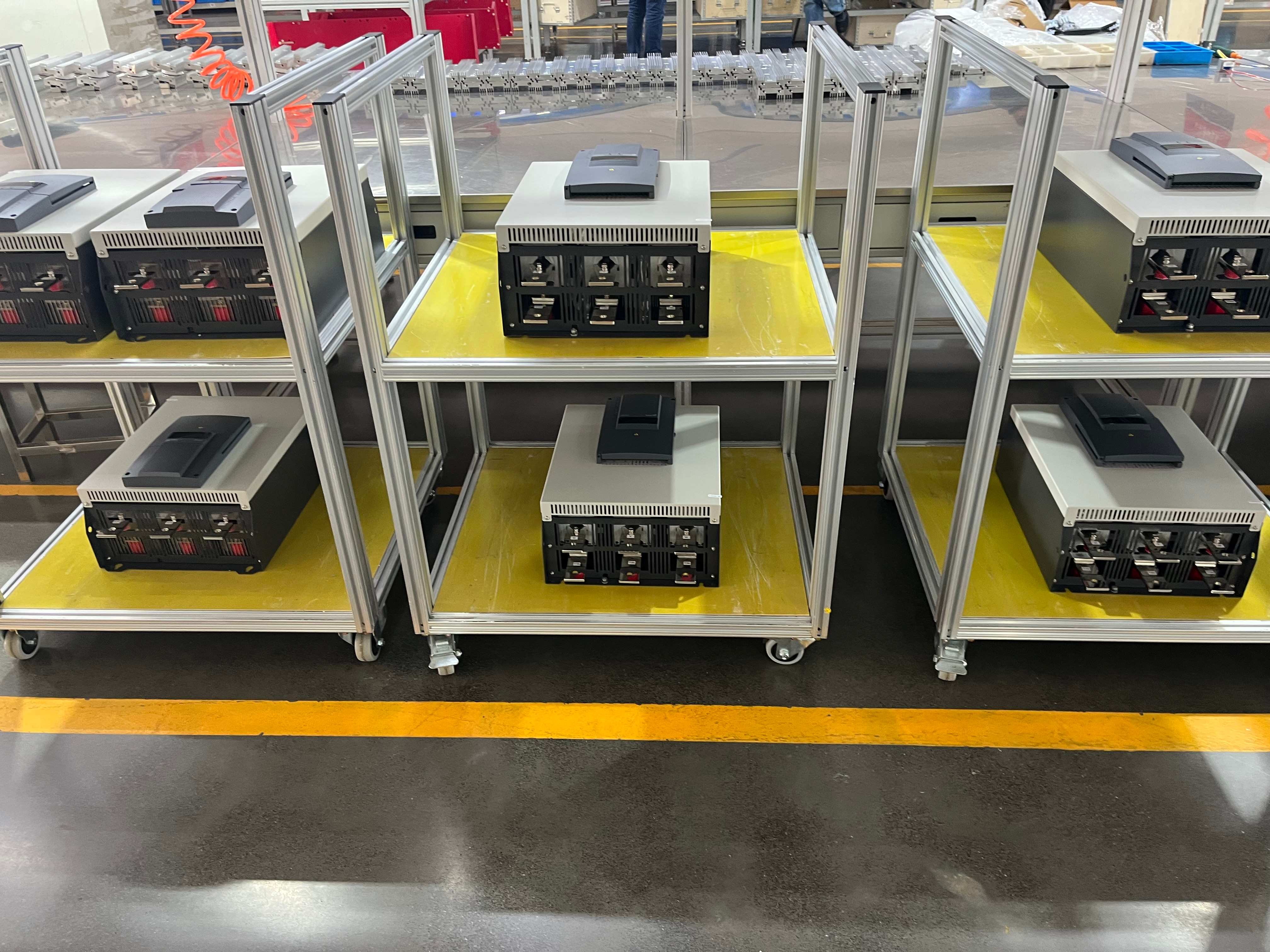
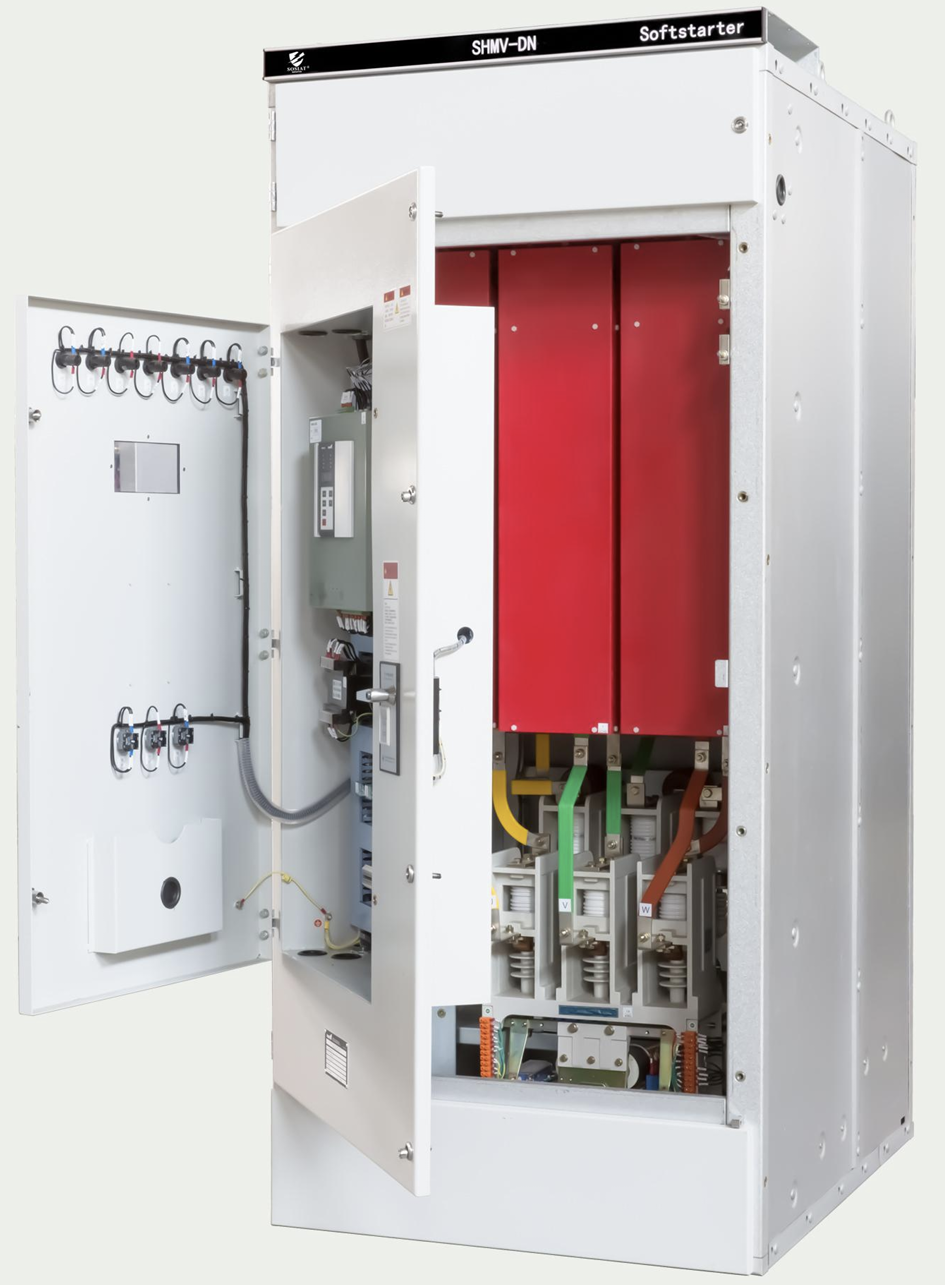
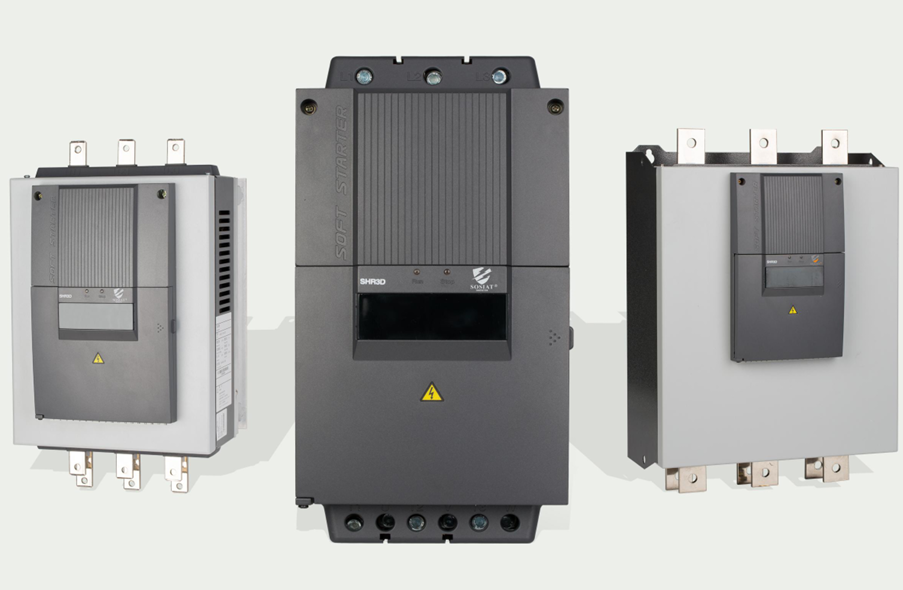
Analysis of the four core functions of a soft starter: smooth start-stop, multiple protections, and energy-saving operation.
1. In the electrical drive system, as a key Motor Control device, the soft starter effectively solves many problems caused by the traditional direct start method with its precise control ability over the motor start-up process. It does not simply turn on or off the circuit, but realizes the smooth adjustment of motor voltage and current through power electronic technology, thereby achieving a variety of core functions and providing strong support for the efficient and safe operation of industrial production. The main functions of the soft starter are analyzed in detail below, with corresponding English explanations attached.
2. This is the most basic and core function of the soft starter. The traditional direct motor start-up method causes the motor to bear an inrush current 5-8 times the rated current at the moment of start-up. This instantaneous large current not only causes severe electrothermal stress on the motor windings, accelerates insulation aging, and shortens the motor service life, but also causes large fluctuations in the grid voltage, affecting the normal operation of other electrical equipment in the same grid, and may even cause Power Supply failures such as tripping.
3. The soft starter adopts the phase control technology of power electronic devices such as thyristors. In the initial stage of motor start-up, the conduction angle of the thyristor is gradually increased, so that the input voltage of the motor is gradually and smoothly increased from a lower value to the rated voltage. During this process, the starting current of the motor is strictly controlled within the range of 1.5-4 times the rated current, and the starting torque also increases steadily, avoiding vibration, impact and abnormal noise of the mechanical transmission system caused by excessive instantaneous impact force, effectively protecting the motor, reducer, coupling and other equipment, and reducing equipment maintenance costs.
4. In addition to the control of the start-up process, the soft starter also has a Soft Stop function, which is particularly important in scenarios with high requirements for the stop process. The traditional direct motor stop method is realized by cutting off the power supply instantly, and the motor will stop quickly under the action of inertia, which will cause severe impact and vibration of the mechanical load. For example, in equipment such as conveyor belts and hoists, direct stopping may cause material accumulation, damage to equipment components, and even safety accidents.
5. The soft stop function of the soft starter gradually reduces the conduction angle of the thyristor, so that the input voltage of the motor is gradually reduced from the rated voltage to zero, and the motor speed decreases slowly until it stops stably. This process effectively buffers the impact of inertial force on the mechanical system and ensures the stability of the stop process. At the same time, for some equipment that requires precise parking positioning, the soft stop function can also cooperate with relevant control logic to improve the accuracy of parking positioning and enhance the stability of the production process.
6. The soft starter integrates comprehensive Motor Protection functions, which can real-time monitor key parameters during the motor operation, such as current, voltage, temperature, etc. When abnormal parameters are detected, protective measures are taken in time to avoid motor damage. Among them, overload protection and overcurrent protection are the most commonly used protection functions.
7. In terms of overload protection, the current detection module inside the soft starter continuously monitors the working current of the motor. When the current exceeds the rated value and lasts for a certain period of time (set according to the overload characteristics of the motor), the soft starter will judge that the motor is in an overload state, immediately send a protection signal, cut off the motor power supply or reduce the output voltage, so as to prevent the motor from being burned due to long-term overload. Overcurrent protection is mainly aimed at instantaneous large currents during start-up or operation, such as motor short circuit, sudden increase of load, etc. When the current exceeds the set overcurrent threshold, the soft starter will act quickly to realize rapid protection.
8. In addition, some high-end soft starters also have functions such as undervoltage protection, overvoltage protection, phase failure protection, and motor overheating protection. For example, when the grid voltage is lower or higher than a certain range of the rated voltage, the undervoltage or overvoltage protection function will start to avoid damage to the motor caused by operation under abnormal voltage; when the three-phase power supply of the motor is missing, the phase failure protection function can detect and cut off the power supply in time to prevent the motor from being burned due to single-phase operation. The integration of these protection functions makes the soft starter a "safety guard" for motor operation.
9. In some operating scenarios with low load rates, such as fans, water pumps and other equipment, when the motor operates at rated voltage, the phenomenon of "a big horse pulling a small cart" will occur, resulting in a lot of electric energy waste. The energy-saving operation function of the soft starter dynamically adjusts the input voltage of the motor to match the output power of the motor with the load demand, thereby achieving the purpose of energy saving.
10. Its energy-saving principle is based on the power characteristics of the motor: when the motor load is light, the power factor of the motor is low. At this time, reducing the input voltage of the motor through the soft starter can improve the power factor of the motor and reduce reactive power consumption. The microprocessor inside the soft starter will real-time detect the load current and power factor of the motor, and automatically adjust the conduction angle of the thyristor according to the detection results to optimize the power supply voltage of the motor. Practice shows that in scenarios with a load rate of 30%-70%, the energy-saving effect of the soft starter is particularly significant, which can achieve an energy-saving rate of 5%-20%, reducing a lot of electricity costs for enterprises.
11. With core functions such as smooth start-up, soft stop, multiple protections and energy-saving operation, the soft starter not only effectively improves the stability and safety of motor operation, prolongs the service life of equipment, but also reduces energy consumption and maintenance costs. It has been widely used in many fields such as industrial production, construction, and water conservancy. With the continuous development of power electronic technology and intelligent control technology, the functions of the soft starter will be further enriched and improved, bringing more efficient and intelligent solutions to the field of motor control.